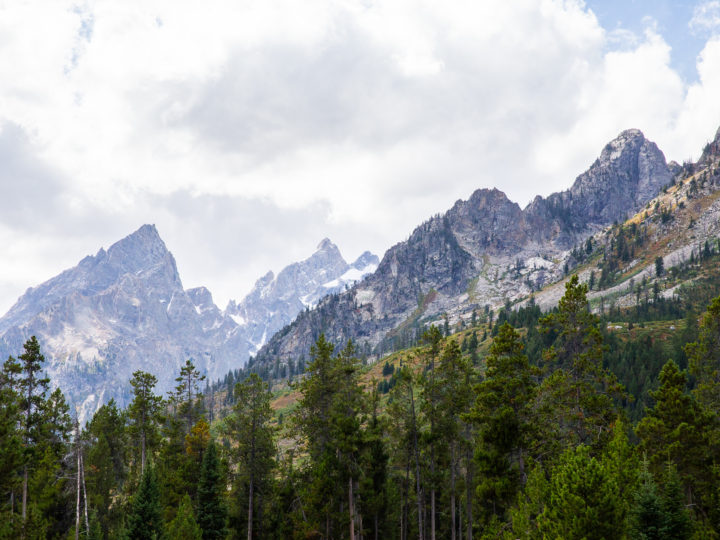
Alaska Road Trip Week 7: Grand Teton National Park and Grand Junction
On this wild and crazy road trip from Austin to Alaska, we’ve hit up our fair share of national parks, ensuring that annual parks pass we bought was worth it. …

On this wild and crazy road trip from Austin to Alaska, we’ve hit up our fair share of national parks, ensuring that annual parks pass we bought was worth it. …
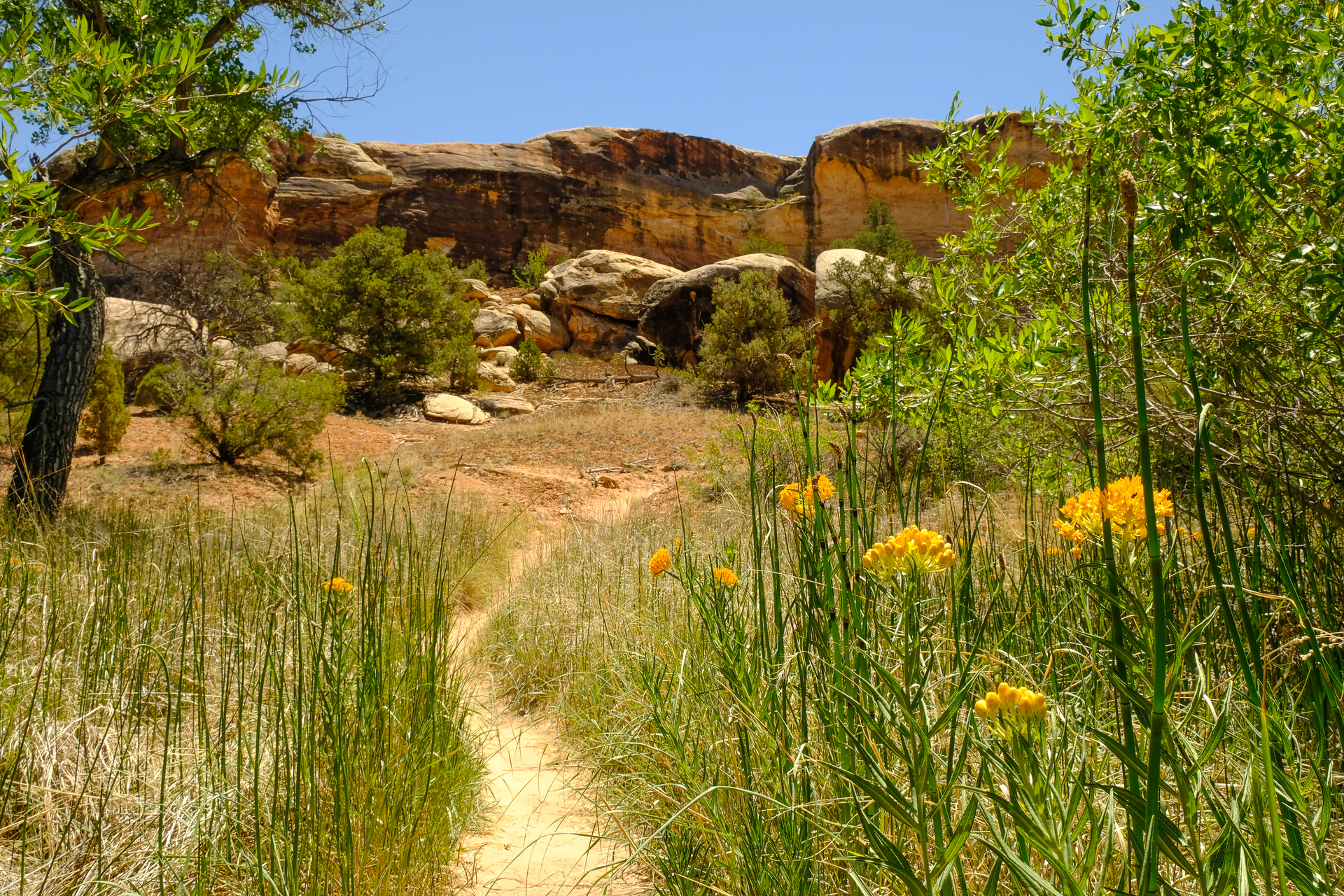
Ah, Canyonlands. So many units to choose from (three, actually), so many day hikes available. We set out on one just two days after hiking rim to rim across the …
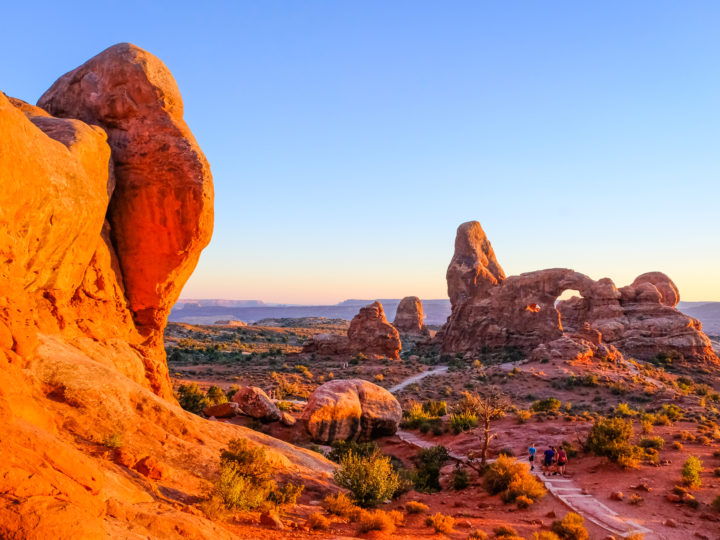
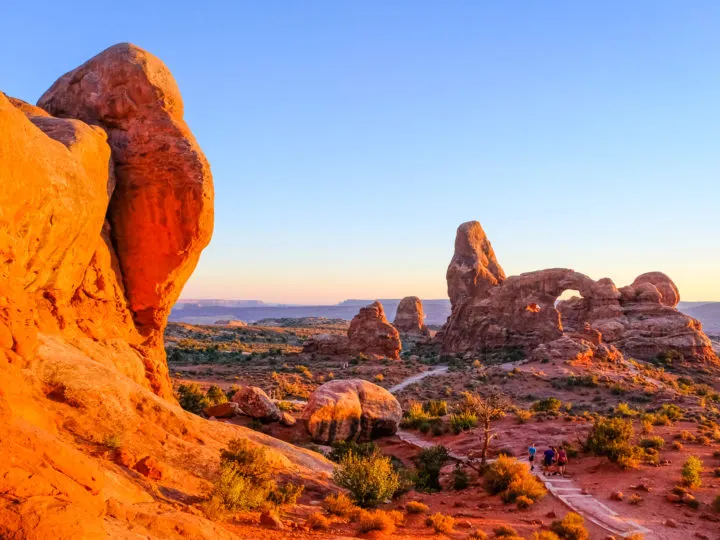
I might as well start with this: I’m embarrassed to admit that we are those people who only stayed for two hours at a National Park. We’ve backpacked in Grand Canyon …
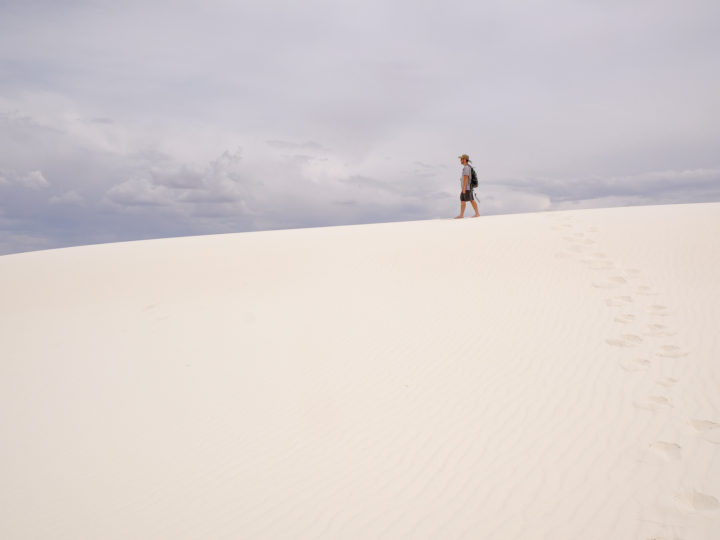
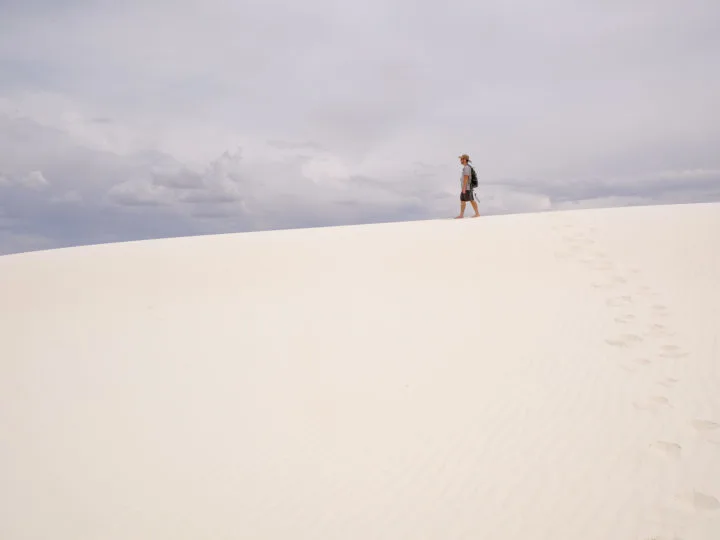
I freaking love sledding. I grew up in Ohio where, no joke, my mom and dad would occasionally play hooky from work so we could all go sledding together. My dad …
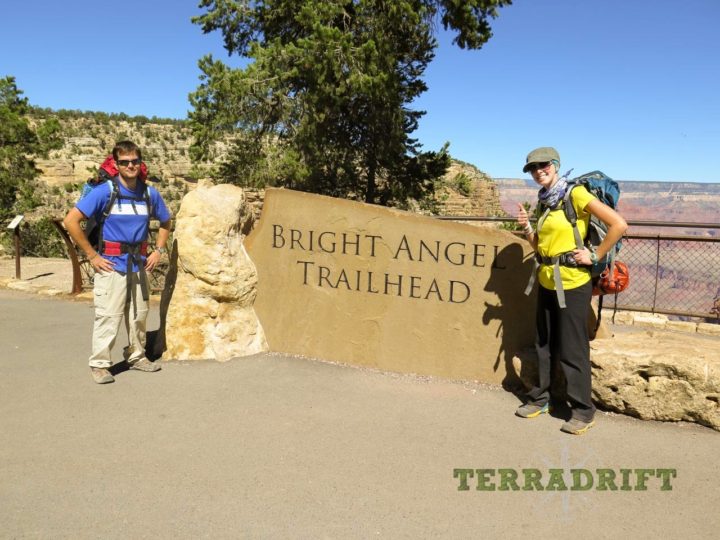
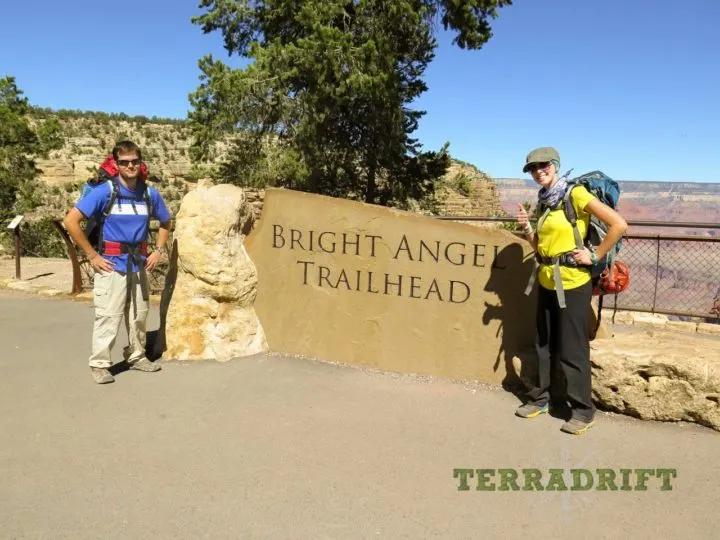
There’s nothing like immersing yourself in nature for a few days, away from highways and deadlines and cell phones and Facebook. We love heading outdoors and leaving the real world …
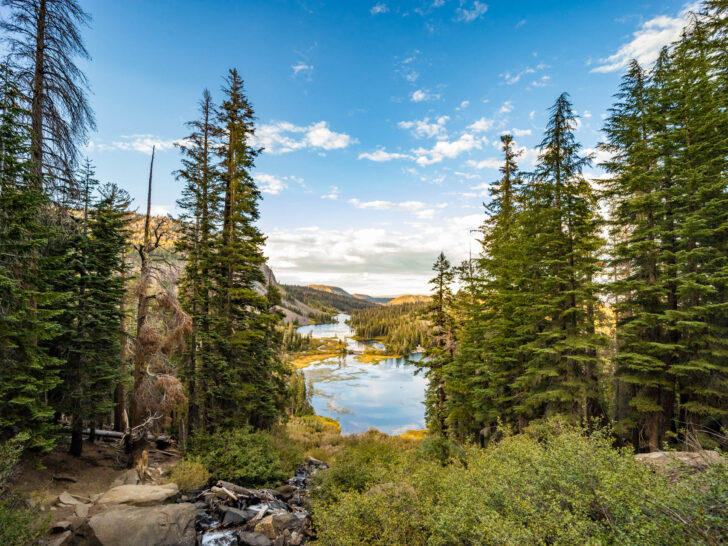
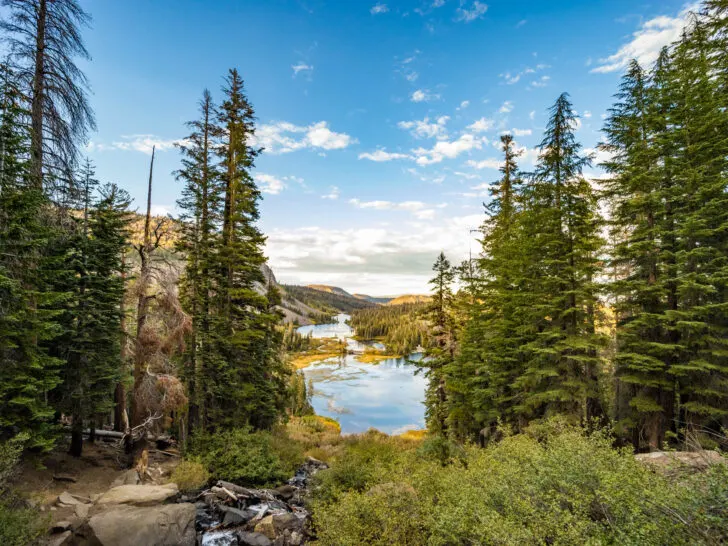
We all know California is practically made for road trips, right? I mean, the coastlines, the mountains, the national parks! But the coastal highway gets all the love (for good reason; we’ve driven it ourselves). So we set out to explore a bit more of the state on an inland Northern California road trip for the ages. And trust us when we say there’s plenty of adventure to be had.
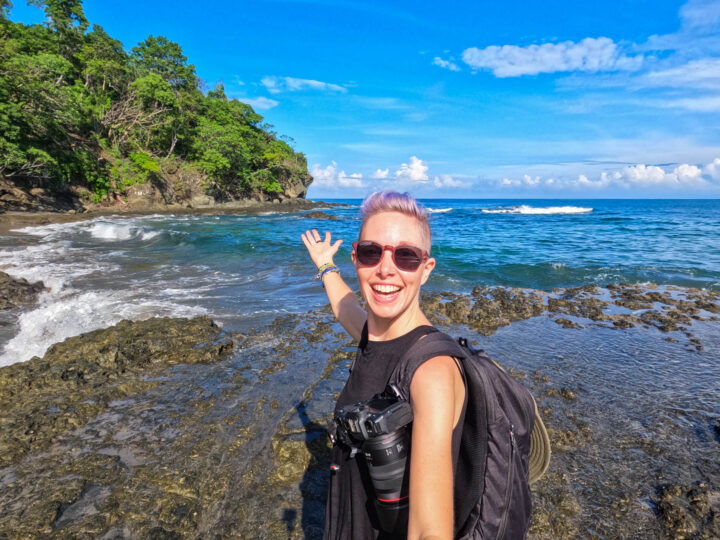
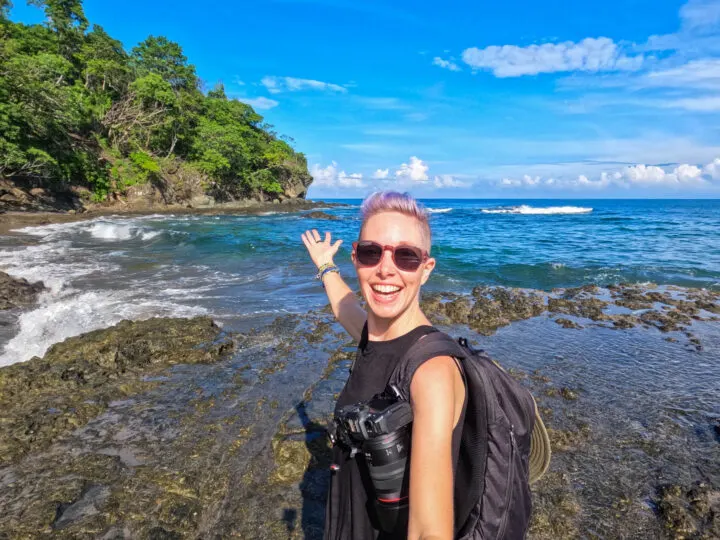
When we travel, we tread lightly. We want to leave every place we visit better than we found it whether we’re backpacking, road tripping, visiting national parks, or jetting around the world. And while sustainable travel encompasses lots of different things, from which tours you book to what mode of transportation you use to get there to where you lay your head at night, what you pack can set you up for a more sustainable adventure. So no matter where you’re headed, for business, pleasure, or a bit of both, here are 5 things to pack so you can travel better.
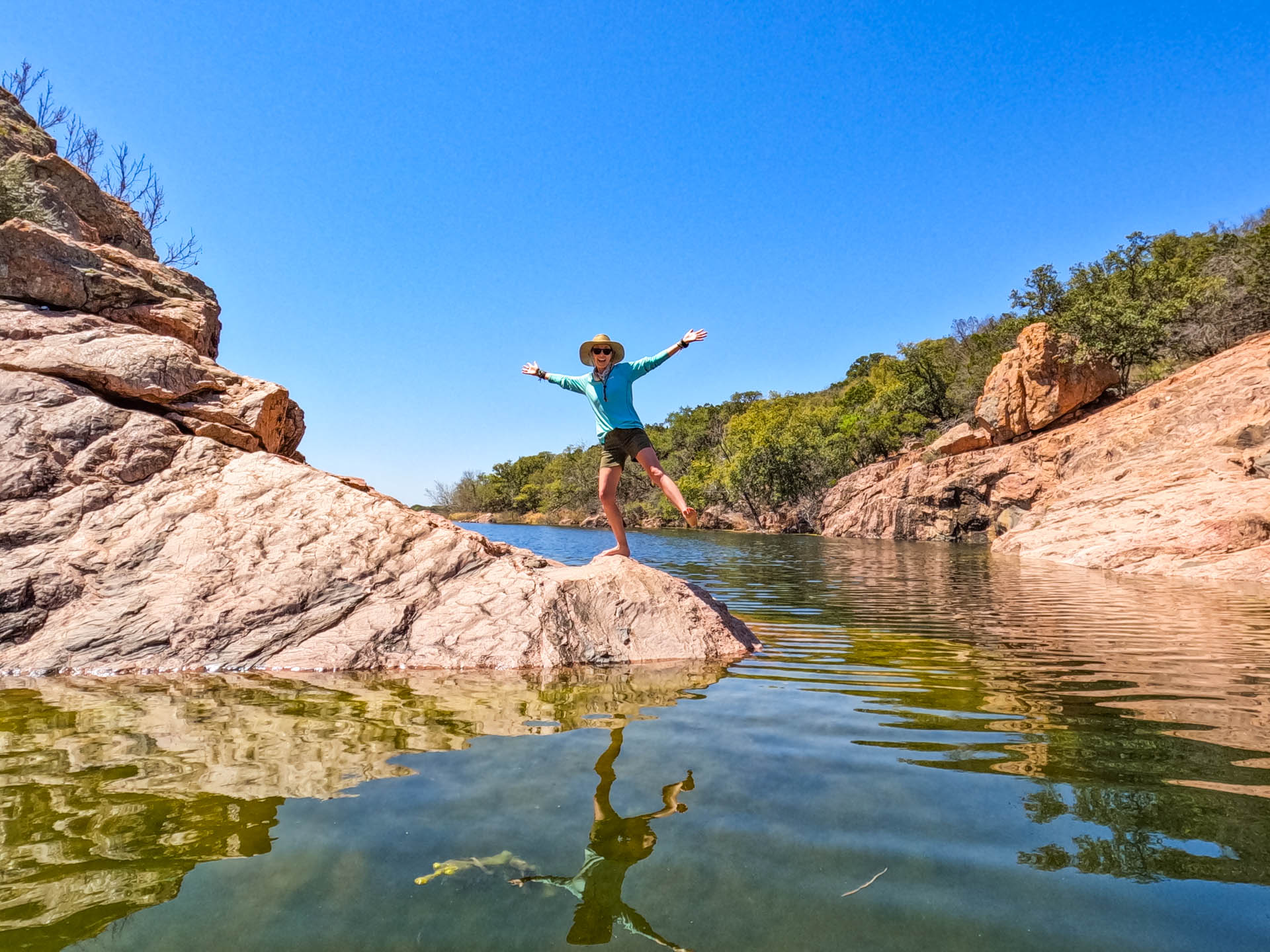
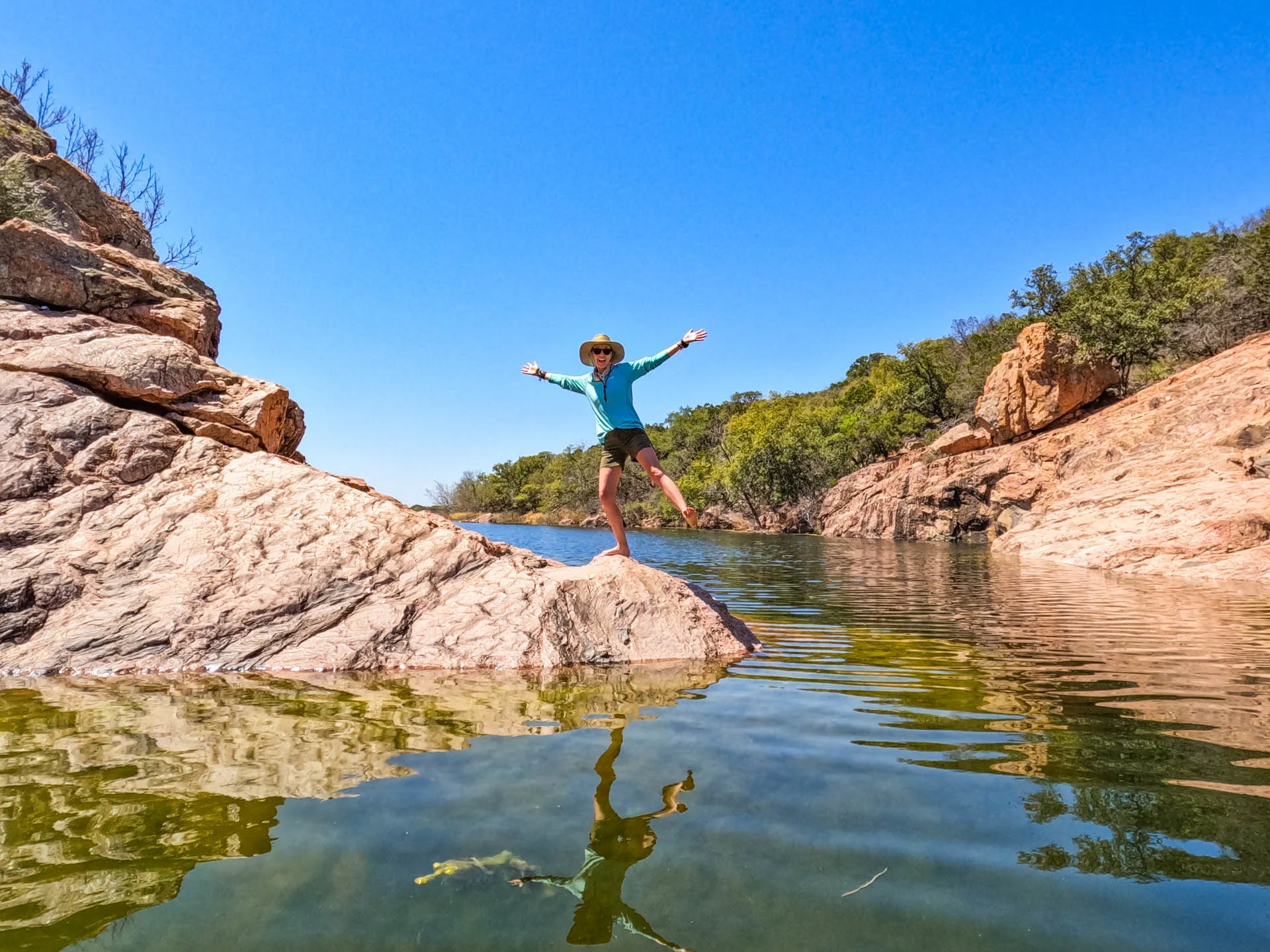
I often find that if you’re not from Texas, you don’t realize what spectacular outdoor recreation options there are all over the state. From mountains and backpacking trails in the south and west (looking at you Big Bend and Guadalupe Mountains National Parks) to kayak trails near the coast (Hi, Beaumont) to rolling hills and meandering lakes in Hill Country. But even I wasn’t aware of all of the options for outdoor adventure in Burnet County, just north of my home in Austin! Have I piqued your interest? Well, lace up your boots, mount your bike rack on the back of your car, and load up the kayaks, ’cause it’s about to get wild! Read (and watch) to get the scoop (spoilers: there’s a ski lift on the list…yup…in Texas).
Want to know why winter camping and backpacking are the best? Here are five reasons to give it a go this season!

It’s that time of December: the week you get all those emails from your favorite brands announcing you’re running out of time to order and still get gear in time for Christmahanukwanza. Heck, by the time you’re reading this, those deadlines may have come and gone days ago! Fortunately, we’ve rounded up 5 last minute gifts for folks who love the outdoors so you can still make your favorite adventurer very merry this season.