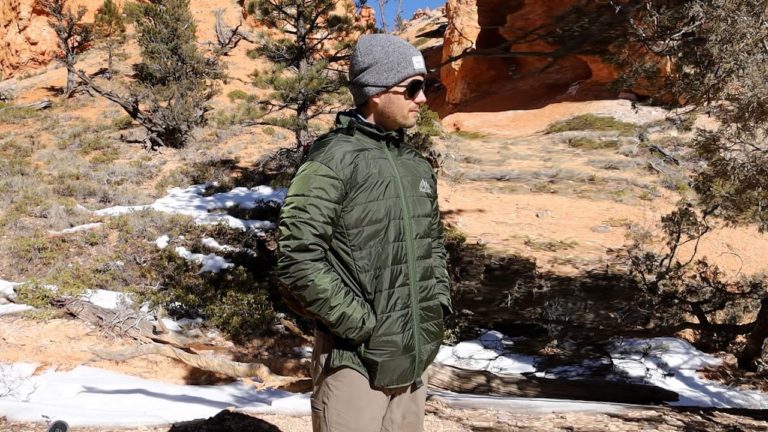
The Nitecore NB Air 5,000 UL power bank.

Nitecore Offers the Only Two Ultralight Power Banks We Ever Want to Take Backpacking
Sharing is caring!

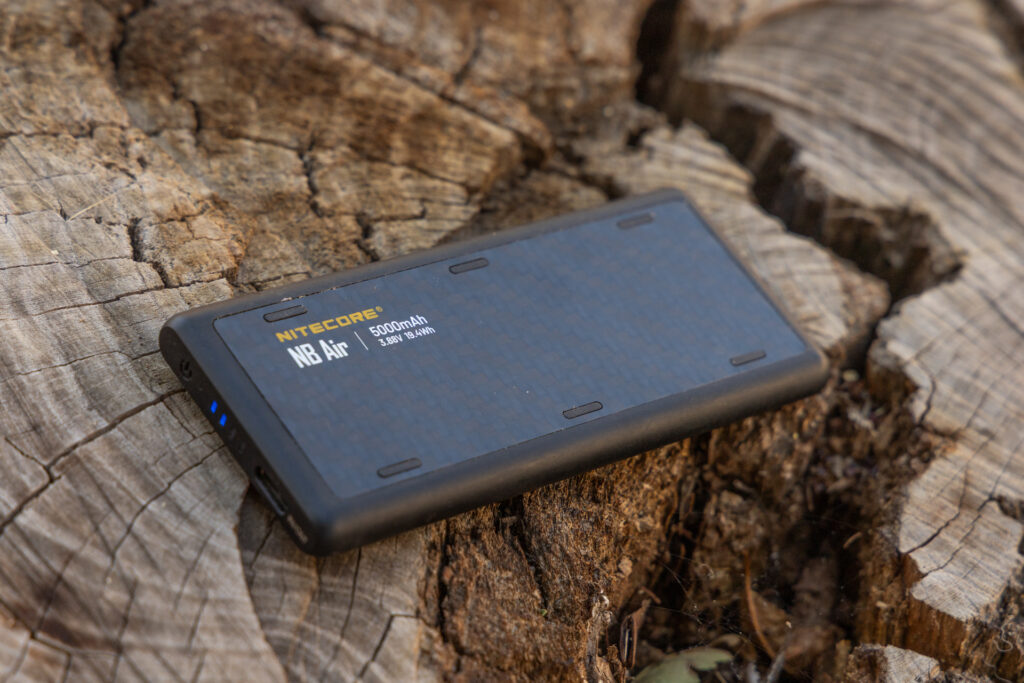
The Nitecore NB Air 5,000 UL power bank.

We’ve tested plenty of portable power banks, backup batteries and chargers over the years. But when it comes to keeping devices like phones and high-tech watches powered on backpacking trips, every ounce (and gram) matters. So we put two of backpacking’s most popular ultralight power banks to the test and weighed their pros and cons (literally) to find out which we’ll be taking on all our backpacking adventures from here on out.

Nitecore Air NB 5000: The Weekender

Weight: 3.14 oz

For weekend solo or couples trips where we only have a few devices to keep charged (namely phones for use capturing photos and consulting offline digital maps), there’s no power bank we turn to more often than the NB Air 5000. It’s super lightweight and can charge an iPhone 15 about 3 times before it’s drained. That’s generally plenty for us for a three-day trip. Plus it powers up our favorite ultralight pad pumps without missing a beat.

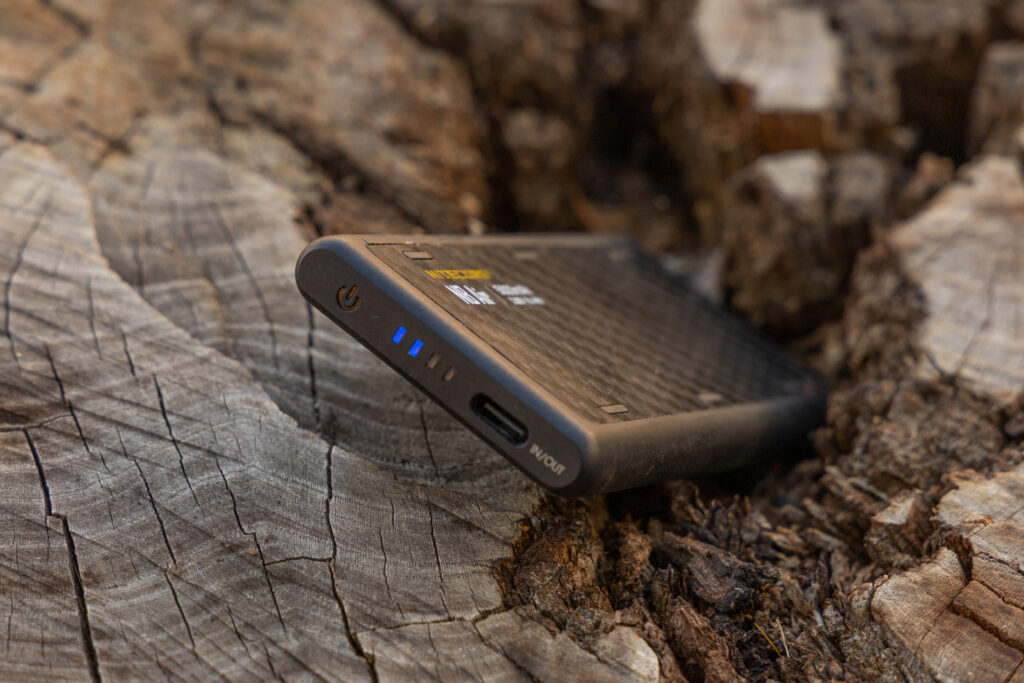
It is easy to use–just plug devices in and they start charging–but only has one USB-C power port, so make sure to bring a compatible cable in this time of transition between USB and USB-C. Pro tip if you’ll be thru-hiking or hanging with a lot of other UL backpackers: slap a sticker on it so you know which power brick is yours. I’ve never seen as many Nitecore batteries in one place than when in trail towns while hiking part of the PCT with a friend.
Nitecore NB Plus 10000: The All-Weather Powerhouse

Weight: 5.47 oz

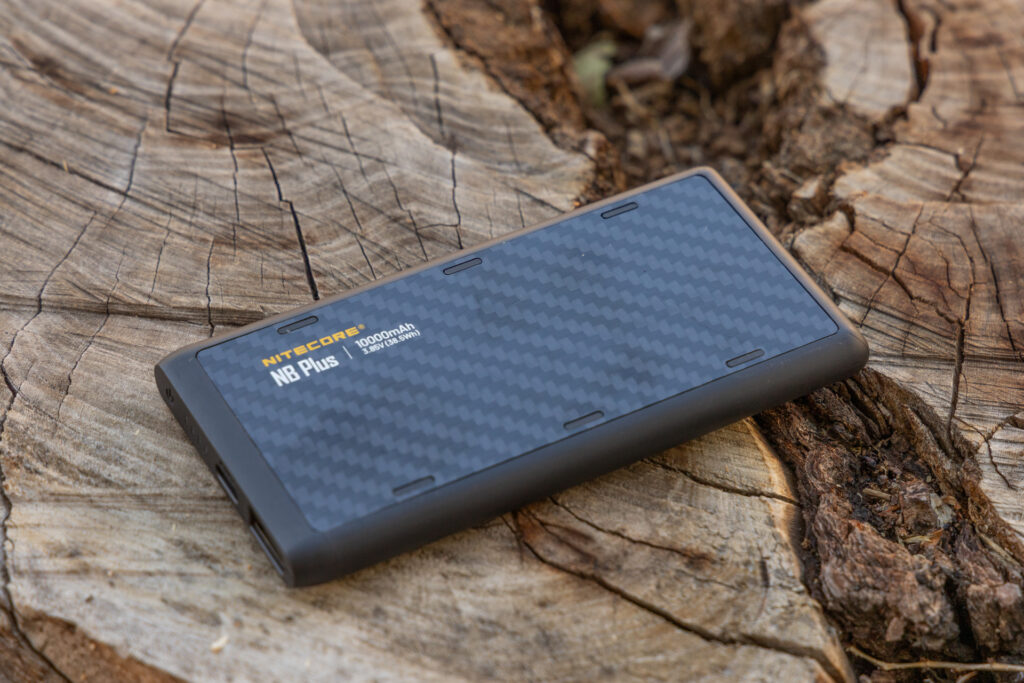
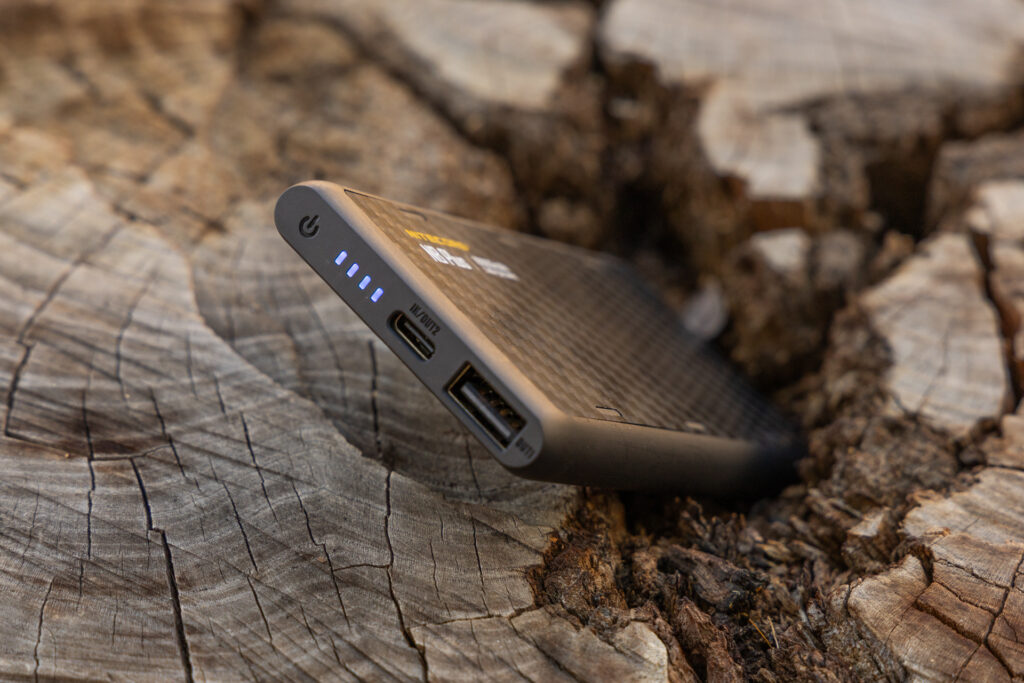
Sometimes you need more power. Like when sharing a power bank between family and friends, going on a longer wilderness adventure, or when you need to charge a number of devices over a few days. Fortunately, larger ultralight power banks exist, perhaps none lighter than the Nitecore NB Plus 10,000. It can charge an iPhone 15 about six times.

What’s more, unlike most other power banks (including those from Nitecore), it’s rated IPX7 waterproof. That means if you get caught in the rain and forgot to stash it in a waterproof stuff sack, it’s no big deal; you can still charge your devices once they (and you) dry out. If it flops out of your pocket into a shallow creek it should still be OK! It has both a USB-A and USB-C port for charging devices, which offers flexibility, and blue indicator lights let you know about how much power is left.


Bottom Line

There aren’t a ton of power banks out there that can claim to be ultralight, but these from Nitecore can. And just as importantly, they bring both power and peace of mind into the backcountry when you need it. So keep your devices juiced up, never leave home without a backup battery, and wander on with confidence.

Similar Posts

  • Traction Devices: 5 Microspikes for Winter Hikes

    It’s winter! Which means snow and ice for many of us, which means a lot of folks are hunkering down indoors instead of getting outside to play. But I refuse to let snow and ice keep me from enjoying time outside, taking winter hikes, or exploring new parks and trails. So right after I layer up (check out our guide to layering for winter hikes here), my next move is to strap some traction devices on my feet.

    What are traction devices, you ask? I didn’t know either until I started winter hiking in super snowy regions like Colorado. But they’re brilliant and make snow- and ice-covered trails totally hikeable in wintry conditions. They come in many forms: Snowshoes, micro spikes, and crampons. But we’re going to focus on micro spikes because they’re not only accessible and easy to use, they’re useful for all manner of outdoor adventures, from teaching your niece to ice skate on a frozen lake, crossing a snowy mountain pass, or hoofing it around town after freezing rain. So here are some of our favorite traction devices. (Learn more about traction devices and which to use in this article).

  • The 3 Best Sustainable Men’s Padded Cycling Shorts: MTB Edition!

    We love mountain bike apparel of all kinds and for all seasons, but padded bike chamois may be the most universally important item of clothing to get right if you want to enjoy long, comfortable rides that don’t leave your sit bones so sore you can’t sit on a park bench without wincing for three days. So we tested a handful of more sustainable options of men’s padded cycling shorts to help you decide where to invest your gear dollars. We’ll break down how comfy each option is, whether it stays put like it should, what types of rides each is best for, and how much squish you can expect from the padding. And yes, we tested them all, so you can be confident in our review.

  • The Waymark Gear Co. Ultralight MILE 28 Backpack Review

    We’re big fans of backpacking here at Terradrift. You probably know this. We’re especially big fans of ultralight backpacking. Especially me. That’s partially due to necessity (I’m a tiny human person so the weight of my pack can get out of hand quickly) and partially due to the fact that we like to tackle longer distances in less time with less pain. Ultralight gear makes that more feasible. So we’ve taken to testing out some ultralight backpacks recently (maybe you saw our review of the Gossamer Gear Gorilla?). Our most recent: the MILE 28 backpack from cottage brand Waymark Gear Co. Learn all about this 16 oz pack right here, right now.

  • |

    How to Wash Synthetic Clothing to Reduce Microplastics

    Microplastics. Perhaps you’ve heard of them. They suck. They’re teeny tiny pieces of plastic materials that break apart and end up in waterways like streams, lakes and oceans, they pollute ecosystems and harm aquatic life, and they can’t be filtered out at wastewater treatment plants. Basically, they’re the worst. And as it turns out, a large percentage of microplastics actually originate from synthetic clothing and materials. And you know what clothing and materials are almost always made of synthetics? Outdoor clothing and materials. Yup. We’re part of the problem.

    Fortunately, we can also be part of the solution. How? Well, since most of those microplastics come off of our synthetic clothing and gear right in our washing machines at home in the form of tiny broken fibers, we can take action to reduce and contain those broken fibers at the source. Here’s how.

  • Pak-Jak Review: A Versatile Hiking Jacket for Quick Layering on the Fly

    Does your back get super sweaty when you’re hiking or backpacking? Do you refuse to stop to remove or add a layer until you can’t stand it anymore because you don’t want to take the time to remove your pack? Well then this new modular, versatile, occasionally backless jacket may just me the layer for you. Check out what we thought of it in this Pak-Jak review.

  • Cold Outside? Here’s How to Enjoy Winter Mountain Biking: Gear, Tips and Tricks

    You can still enjoy mountain biking when it’s cold out with strategic layering, smart solutions, and the right winter cycling gear. Here are tips and tricks for enjoying the ride in the fourth season, including how to dial in your kit, plus a few standout pieces of gear and clothing that make a real difference, how to layer well, choose appropriate outerwear, and keep your fingers, nose and toes from turning into popsicles.

Leave a Reply

Your email address will not be published. Required fields are marked *