
Where to Recycle Clothing: What to do with Undonatable Clothing
Clothing and gear can often be recycled. But you can’t just add it to your curbside bin. Here’s where to recycle clothing and outdoor gear.

When we gear up, we want to know we’re not doing damage to the planet we so love to explore. That’s where Sustainability Spotlight comes in! Here, we’ll highlight brands, materials and products that leave a lighter footprint.

Clothing and gear can often be recycled. But you can’t just add it to your curbside bin. Here’s where to recycle clothing and outdoor gear.

Want to shop more responsibly this season? These are some of the best websites to buy used outdoor gear for activities of all kinds.

If you’re looking to bolster your supply of natural apparel or are in search of clothing that functions as well on the trail as it does in town, these options take sustainability to the next level. We’ve tested them all and these are our very favorite plant fiber hiking shirts that we’ll be wearing time and time again, on trail and off.
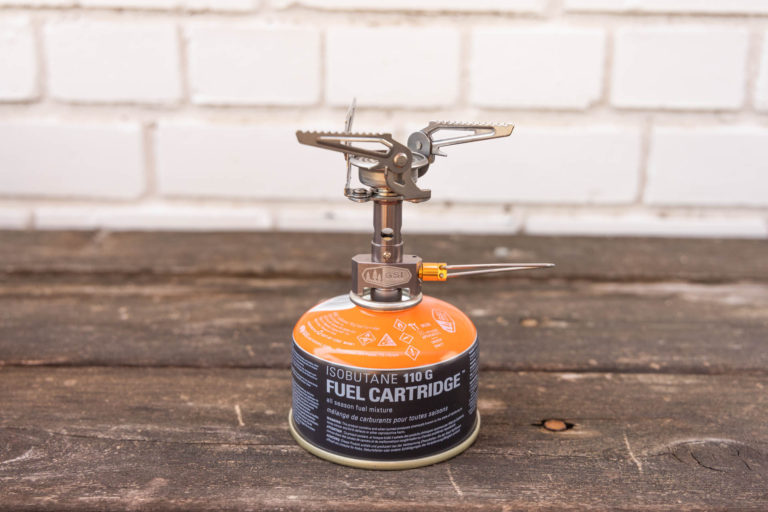
When it comes to preparing meals in the backcountry, backpacking stoves that run on compressed gas–you know, those cylindrical metal canisters filled with fuel–are far and away the most popular option. They’re efficient, convenient, tolerably lightweight, and easy to find at pretty much any outdoor retailer. And while these fuel canisters are made of recyclable materials (steel), recycling them is more nuanced than you might think. Here’s how to recycle your empty backpacking fuel canisters the right way.

Backpacking involves tons of waste. Just think about when you come home from a trip and dump a giant bag of messy trash right in the garbage, appalled by the amount of waste you created over the course of a single weekend. There are the single-serve meals, dozens of individually wrapped snacks, tiny packets of electrolytes…And almost none of it is recyclable, reusable or compostable. That’s a lot of waste.
So I wanted to see if I could do better. Iike, a lot better. And find out if I could spend three days in the backcountry and create absolutely zero waste. Want to see how I managed? Whether it’s even possible? If I’d do it again and what products exist to make it easier? Read on.

Recycling outdoor clothing and gear is technically and operationally difficult. Here’s why and a few brands who are trying anyway.
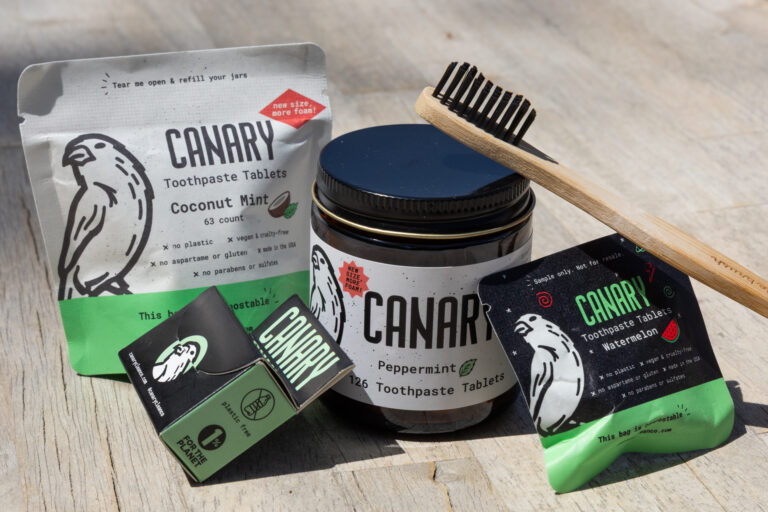
When camping, especially boon docking or dispersed camping where you may or may not have access to showers and tiled bathrooms, cleanliness often takes a backseat (well, it does for us, anyway). But just because you’re sleeping in the dirt or planning long road trips with lots of exploratory stops at state or national parks doesn’t mean you have to neglect your clean routine. On the contrary, we’ve found and tested plenty of sustainable products that make it easy to stay healthy, happy, and squeaky clean no matter where you roam: backcountry, frontcountry or anywhere in between. So if you’re wondering how to stay clean while camping, here are our favorite tools for camp hygiene.
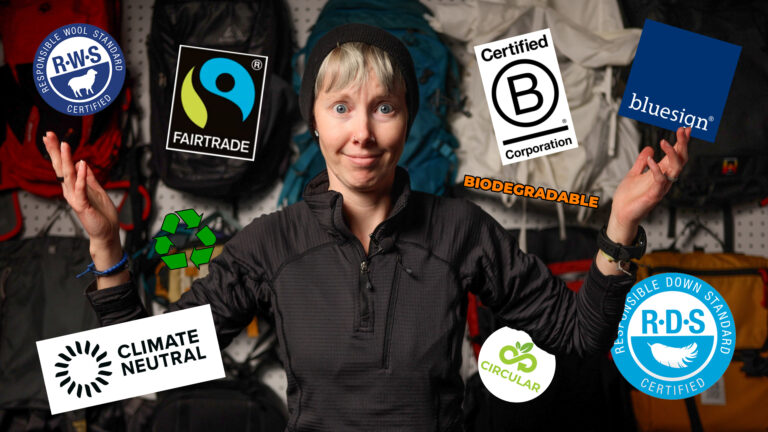
The term “sustainable” can feel like a pretty loaded word these days. I mean, literally everyone is slapping it on their products in an effort to get eco-conscious shoppers to buy their stuff. But a freakin’ ton of sustainability verbiage is total greenwashing (aka: B.S.). Here’s how to identify clothing and gear that’s ACTUALLY more sustainable and how different sustainability can look from brand to brand or item to item.

I hate cruises. They just aren’t for me. I find them boring, they don’t offer the adventure I crave, and the cruise industry as a whole is supremely unsustainable. So I surprised everyone–myself included–when I agreed to go on an HX Expedition cruise to East Greenland. Here’s why I gave the line a shot, including what sustainability had to do with it (and what I thought about the experience).

We’re all about sustainable apparel here at Terradrift. Also, comfy clothes. (Heels and dresses? What are those?) So from the first time we touched the supple softness of carbon neutral brand tentree’s comfortable and sustainable apparel, we were hooked. So we connected with them to hear more about how they plant trees for every product sold, use climate-friendly materials, and recycle and re-sell clothing for the sake of circularity. So check out our Q&A with tentree to learn what the brand is all about and how every new T-shirt or pair of joggers has the potential to do good.