There’s a Perfect Fleece for Every Outdoor Activity. Here’s How to Choose.

Fleece is a staple in the outdoors. Every outdoorist has at least one and we all have our favorite. But while a nice, thick, cozy fabric is often the first thing we think of when someone mentions “fleece,” when it comes to this innovative material, the options are practically endless. And many are best suited for very different types of outdoor activities, from chilling at the bar aprés ski to hiking up a mountain. So we rounded up our three favorite main types of fleece and break down what each is best for. Because what’s the best fleece material is based on what you’re up to.
Remember that fleece is usually made of synthetic materials, so can shed microplastics in the wash. Learn how to reduce and capture those microfibers in this article.
What is Fleece?
Fleece is a type of fabric invented by fabric manufacturer Polartec back in 1981. The brand also crafted the first recycled Fleece with Patagonia in 1993.
“What it actually is, is a kind of magic. We take a knit textile that is rather like a shiny, scratchy, polyester bath towel and transform it into the fabric in your favorite jacket or sweater. It is soft, furry, warm, breathable, durable, packable, easy to care for, and you found it in your favorite color. Additionally, the majority of Polartec fleece is made using 100% recycled post-consumer PET bottles, up-scaling waste into a higher value, long-lasting consumer good,” explains Karen Beattie, director of product management at Polartec.
Fun fact: Polartec also upcycles their fleece shearing leftovers into things like auto soundproofing!
Fleece was designed, according to Polartec, to offer apparel for the outdoors that offered warmth without weight, was breathable, fast-drying, soft, durable, and easy to care for (all compared to wool or heavy cotton, for example). It’s all those things and more. We’ve had fleece pullovers for at least a decade and they show barely any signs of wear. They’re some of our most frequently worn layers when it’s cold out and we want a pullover that can do it all. Often, a fleece is the only cozy sweater we’ll pack when traveling to cool destinations. It’s a magical fabric and often an integral part of a cold-weather layering system.
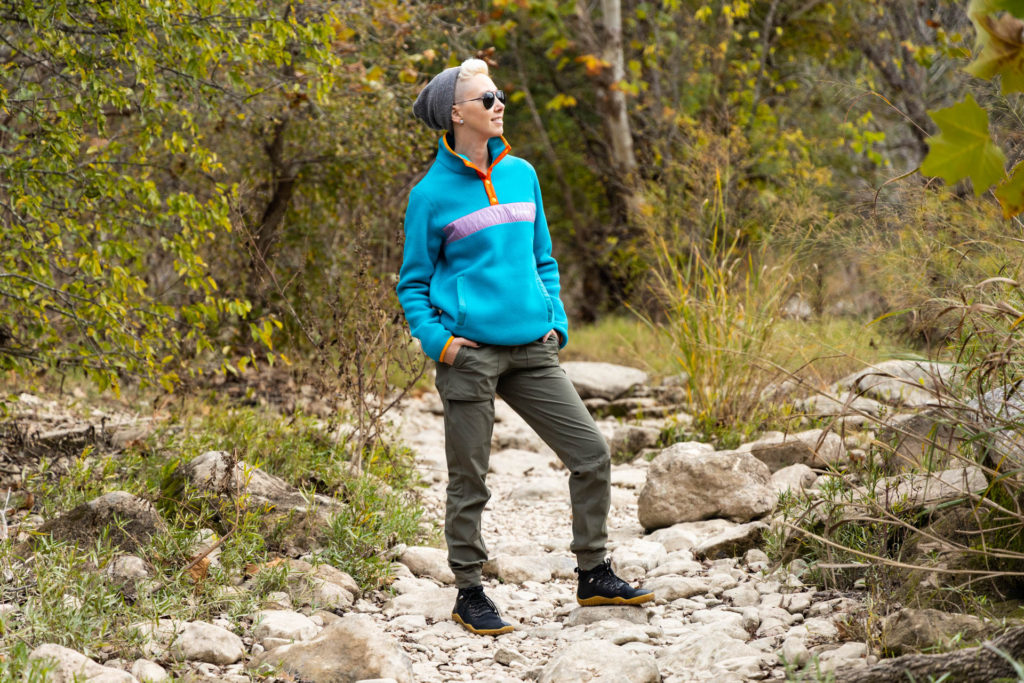
Conventional Fleece: For Cozy Campfires
Best for: Lounging, staying warm when sedentary, layering during cold-weather low-output activities.
Pros:
- Warm
- Sheds water (hydrophobic)
- Dries fast
- Stylish
Cons:
- Bulky
- Heavy
- Can shed more microfibers
Conventional fleece is probably what you think about when you picture a fleece sweater or jacket. Medium thickness, kind of textured, probably fairly soft to the touch, and the perfect layer for cool fall days. Indeed, a standard fleece is an excellent and comfortable option for low-output outdoor activity like easy strolls around the park or hanging out around the campfire after a full day of hiking. They’re not usually very wind resistant, but they do trap heat fairly well, make great mid- or outer layers, and are plenty cozy. Classic fleece is the best fleece to stay warm.
We love the Cotopaxi Teca Fleece when we want to sit around the fire feeling toasty (or walk around the deck on an expedition cruise to Antarctica) but love our classic–and lighter weight–Patagonia Synchilla (the first fleece to be made of recycled materials) for easy cold-weather wanders, daily wear in fall and winter, and chilly around-town rambles. When layered with a lightweight jacket that blocks the wind, they can be impressively warm.
There’s also high-pile or sherpa fleece, which is even bulkier and cozier, but more suited for aprés ski, fireside chats and wandering around town than actual outdoor adventure.

Grid Fleece: For Active Pursuits
Best for: Cool weather activities, layering, body temperature regulation
Pros:
- Lightweight
- Packable
- Temperature regulating
- Dries Fast
Cons:
- Only semi breathable
- Can be hard to layer
- Can shed microfibers
A grid fleece is a beautiful thing. So beautiful, in fact, we wrote a whole article about our favorite grid fleece options. What makes them so great? They’re compact, so they’re packable when you’re low on luggage or pack space, they’re tolerably lightweight, they wick sweat better than most other fleece options, and they make excellent mid-layers.
Sometimes these options have the grid on the inside, like in the case of the Outdoor Research Vigor. Other times, the grid is on the outside, like on the Squak Grid Hoodie (pictured above). Both will wick sweat better than a smooth fabric and a grid on the inside may keep you just a touch warmer thanks to the grooves’ ability to trap a little extra heat.
These tend to be stretchy, so you have full range of motion, are more breathable than standard fleece, and can be worn as an outer layer during cool days or high-output activities or as a mid-layer on cold days. Because when layered under a jacket, a grid on the outside helps trap a little extra air between the layers.

Breathable Fleece: For Moving Fast and Working Hard
Best for: High output activities, start-and-stop activities, layering, body temperature regulation
Pros:
- Ultralight
- Highly packable
- Excellent body temp management
Cons:
- Not as warm on its own
- Quirky appearance
- More delicate materials
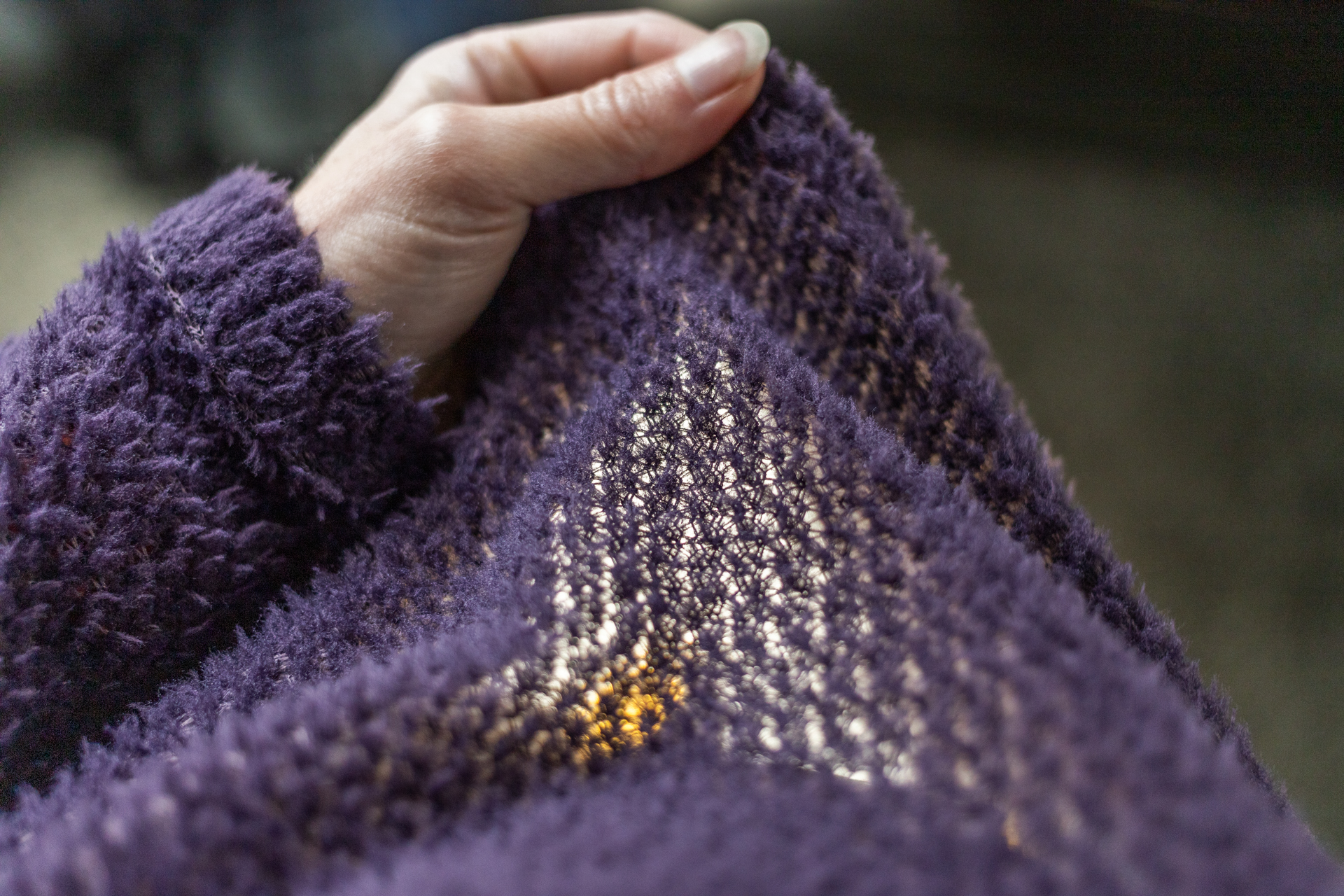
When we think of fleece, it’s often the bulky, cozy, heavy sweaters of standard fleece. But ultra breathable options do exist, like those made of Polartech Alpha Direct or similar materials. What defines these is a more open and breathable knit, one that you can often see through if you hold it up to your eye, and longer, lightweight fibers. Some of these options may not strictly be considered “fleece,” but defy any other sort of categorization, so we’ll stick with placing them in a nebulous fleece sub-category.
Because they are extremely breathable, they aren’t designed to keep you warm while hanging out by the campfire as much as help you balance your body temperature while working hard. For example, when hiking uphill on a cool day: you might be warm because you’re working hard, but the air is cool and you don’t want to leave skin fully exposed. Or perhaps you’re constantly stopping and starting, like hiking, then pausing to snack or enjoy the view, but don’t want to constantly be removing and then adding layers back. Options like the Leve Alpha Direct Hoodie and The North Face Futurefleece zip-up help ensure you stay protected from some cold without overheating.
I love these for hiking in shoulder seasons like spring and fall, especially when paired with a windbreaker. Because of the long fibers and lots of space for heat to get trapped in-between the holes, if you throw on a layer that blocks the wind, you can stay surprisingly warm on a cold, breezy summit. It’s the best fleece for backpacking and hiking fast in my opinion.
Bottom Line
There’s a fleece for every adventure and type of adventurer (even if you think “adventure” means braving the cold for a dirty chai at the cafe downtown). So decide what the best fleece is for the activities you love, then stay warm out there as you wander on this fall and winter!