These 21 US National Parks Are Free Year-Round
Visiting US national parks isn’t cheap. If you want to get the best deal possible, the America the Beautiful Pass, currently $80, gets you into all national parks plus over 2,000 federal recreation sites. But some folks don’t get out enough to take advantage of that deal. Sure there are a handful of fee-free recreation days each year, but then you have some tight scheduling to do and you have to deal with the ensuing crowds. The next best thing? National parks that are always free. Yup. They exist.
Some of these parks, like Great Smoky Mountain Mountains National Park, are free due to their massive size (over 522,000 acres) and major highways passing through. Others, like Mammoth Cave, Biscayne, and Channel Islands may not cost any money, but getting to them or seeing the main attraction (Mammoth Cave, coral reefs) requires paying for a tour or ferry. Then you have extreme, remote parks like Kenai Fjords and Katmai (which cost plenty to get to but don’t charge an entrance fee), and glorified city parks like Hot Springs, Gateway Arch, and Cuyahoga, which are a delightful mix of free and accessible.
But no matter what kind of adventurer you are, there’s a (free) park for you. So get out there and wander on already!
1. Biscayne National Park
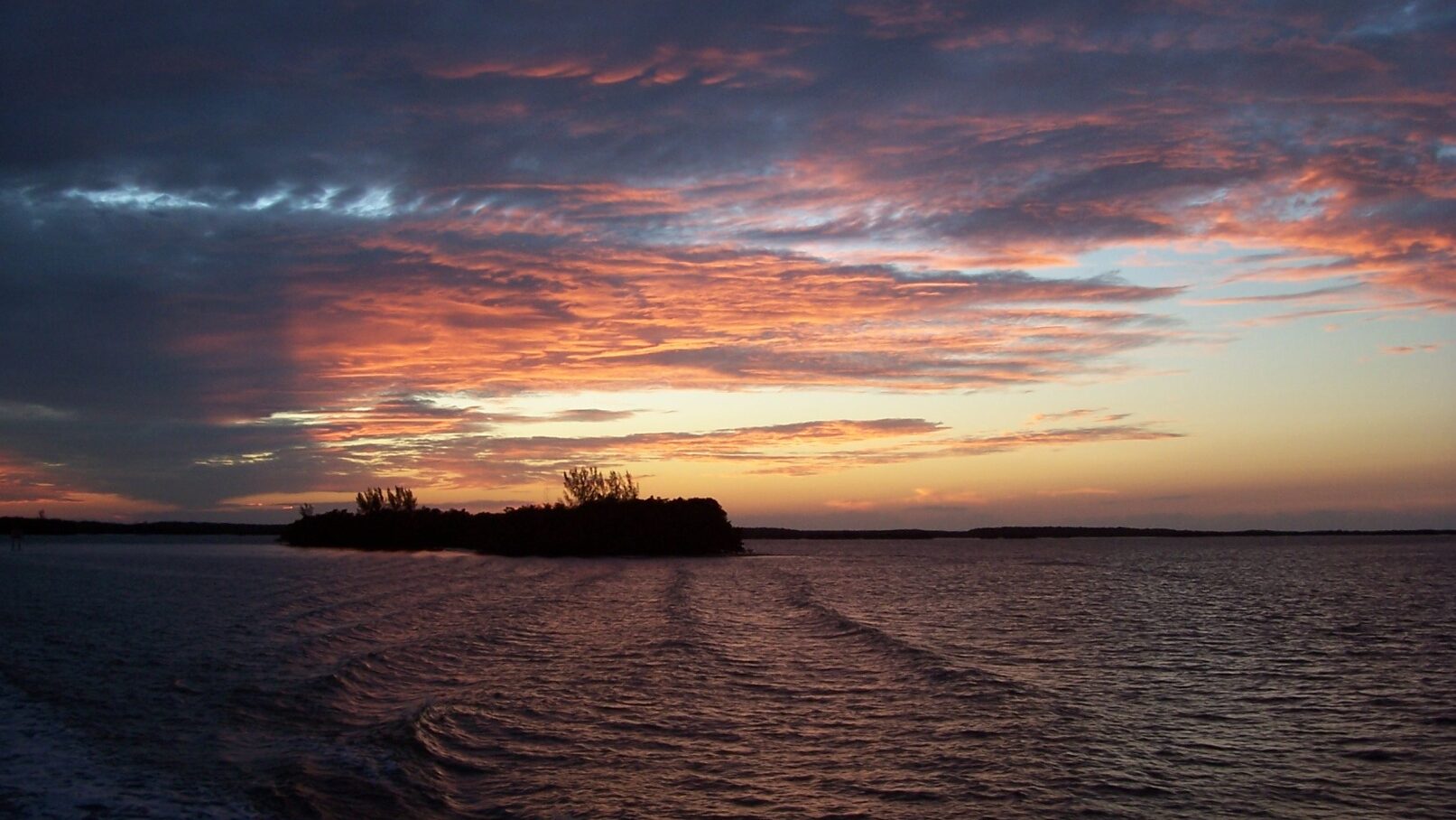
Located in Miami-Dade County, Florida, south of Miami, Biscayne National Park protects the waters of Biscayne Bay and its vibrant offshore barrier reefs. The bay’s shoreline is home to a vast mangrove forest, and the park itself spans 172,971 acres, the vast majority of which is underwater.
The park includes Elliott Key, its largest island and the northernmost of the true Florida Keys, which was formed from fossilized coral reef. Further north, the park contains transitional islands made of coral and sand. Its offshore sections encompass the northern reaches of the Florida Reef, which ranks among the largest coral reef systems in the world.
2. Channel Islands National Park
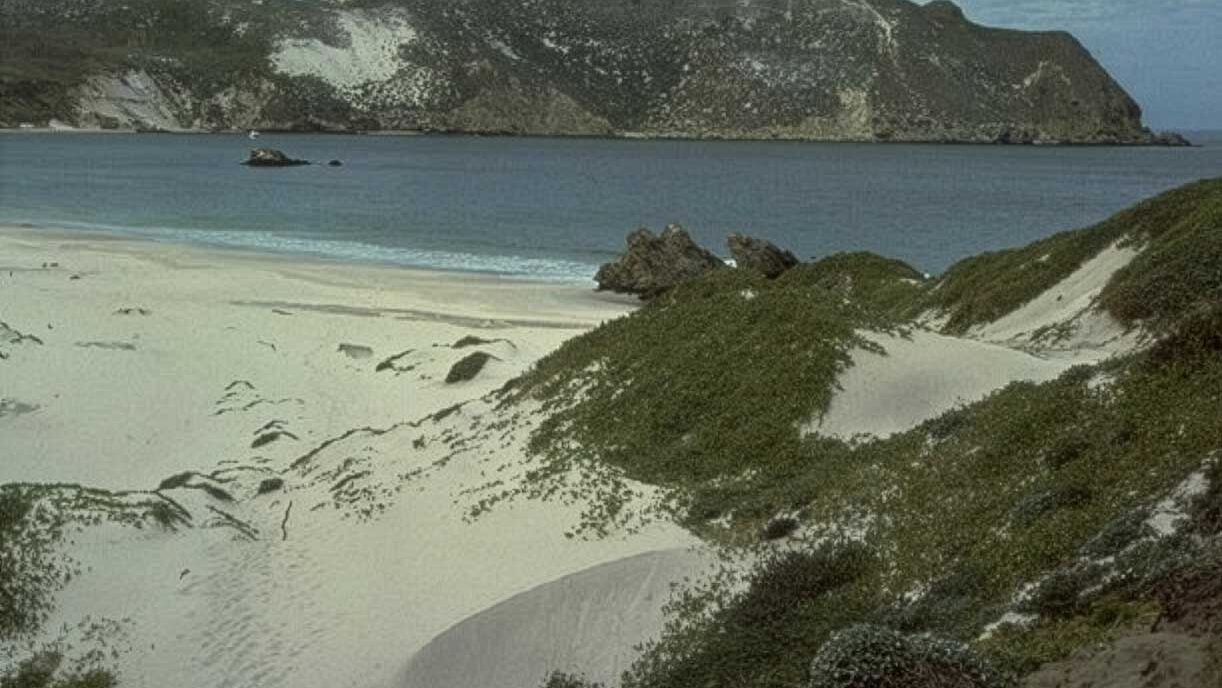
Located off the coast of Southern California near Ventura and Santa Barbara, Channel Islands National Park encompasses five remarkable islands: Anacapa, Santa Cruz, Santa Rosa, San Miguel, and Santa Barbara. Often called the “Galapagos of North America,” the park protects 249,354 acres, about half of which are underwater, preserving a unique Mediterranean ecosystem and thousands of years of human history.
The islands are home to over 2,000 species of plants and animals, 145 of which are found nowhere else on Earth, such as the island fox and the island scrub-jay. Santa Cruz, the largest island, features massive sea caves and rugged mountain ranges, while the windswept plains of San Miguel provide a critical breeding ground for thousands of seals and sea lions. Surrounding the islands, lush kelp forests and deep ocean trenches support a diverse array of marine life, including whales, dolphins, and vibrant sea stars.
3. Congaree National Park
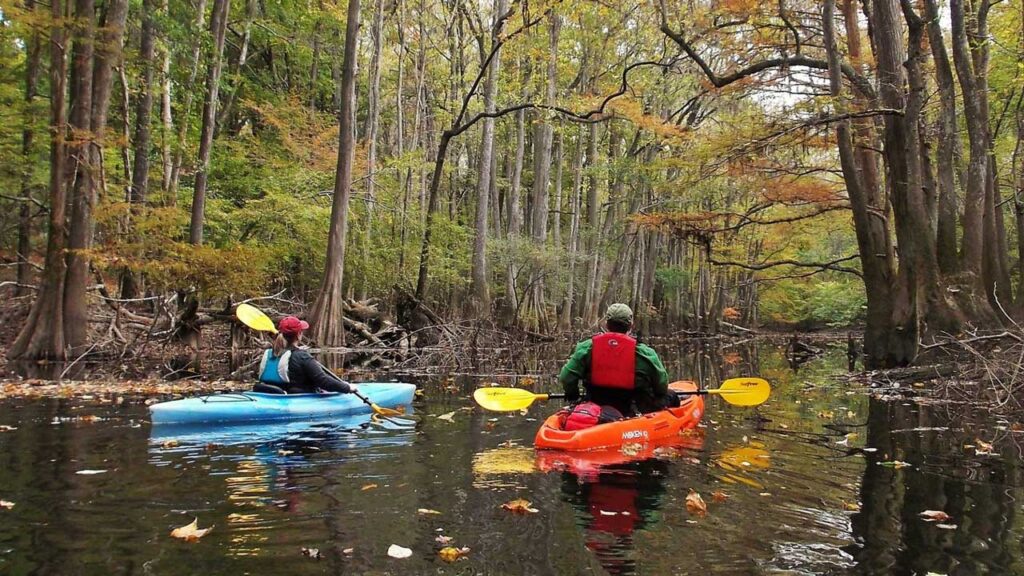
Located in central South Carolina near the city of Hopkins, Congaree National Park preserves the largest intact expanse of old-growth bottomland hardwood forest remaining in the southeastern United States. The park spans approximately 26,276 acres along the Congaree and Wateree Rivers, forming a lush sanctuary dominated by some of the tallest trees in the eastern U.S.
The park’s unique ecosystem, fueled by nutrient-rich floodwaters, features massive bald cypress and water tupelo trees, many of which are centuries old. Beneath the towering canopy, a diverse array of wildlife thrives, including river otters, bobcats, and several species of woodpeckers. A highlight of the park is the 2.4-mile Boardwalk Loop, which guides visitors through the primeval forest, while the Cedar Creek Canoe Trail offers a way to navigate the serene blackwater wilderness by boat.
4. Cuyahoga National Park
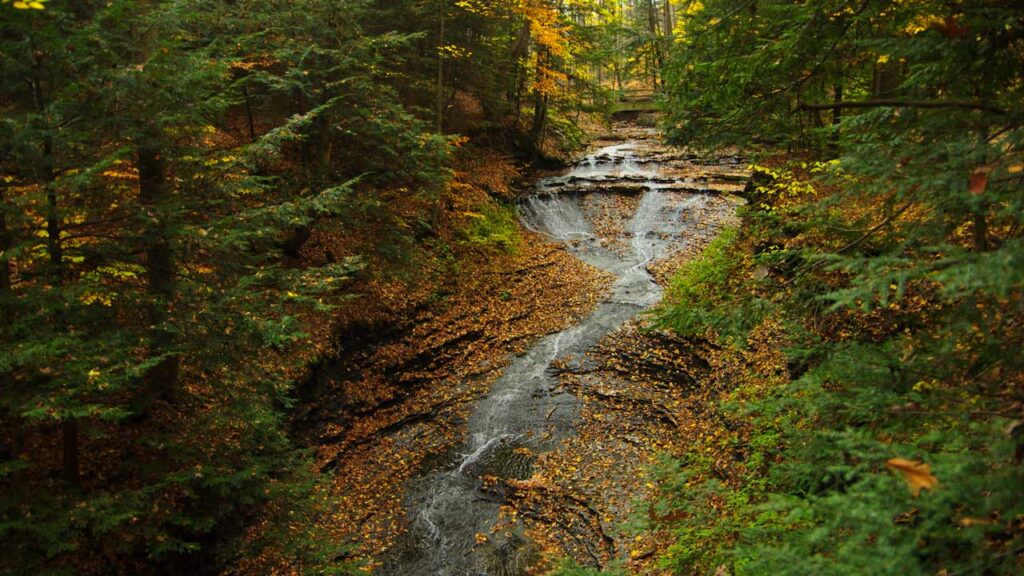
Located in northeastern Ohio between the cities of Cleveland and Akron, Cuyahoga Valley National Park preserves the rural landscape along the Cuyahoga River. Unlike many expansive western wilderness areas, this 32,500-acre park is a mosaic of open farmlands, lush forests, and rolling hills, serving as a sanctuary for native wildlife and a retreat for visitors in a densely populated region.
The park is renowned for its diverse geology, featuring the 60-foot Brandywine Falls and the striking rock formations of the Ledges. Its ecosystem supports a variety of species, from bald eagles and great blue herons to river otters that have returned to the winding river. A central feature of the park is the Ohio & Erie Canal Towpath Trail, a historic route that allows hikers and cyclists to explore the valley’s cultural heritage alongside the scenic Cuyahoga Valley Scenic Railroad.
5. Gates of the Arctic National Park and Preserve
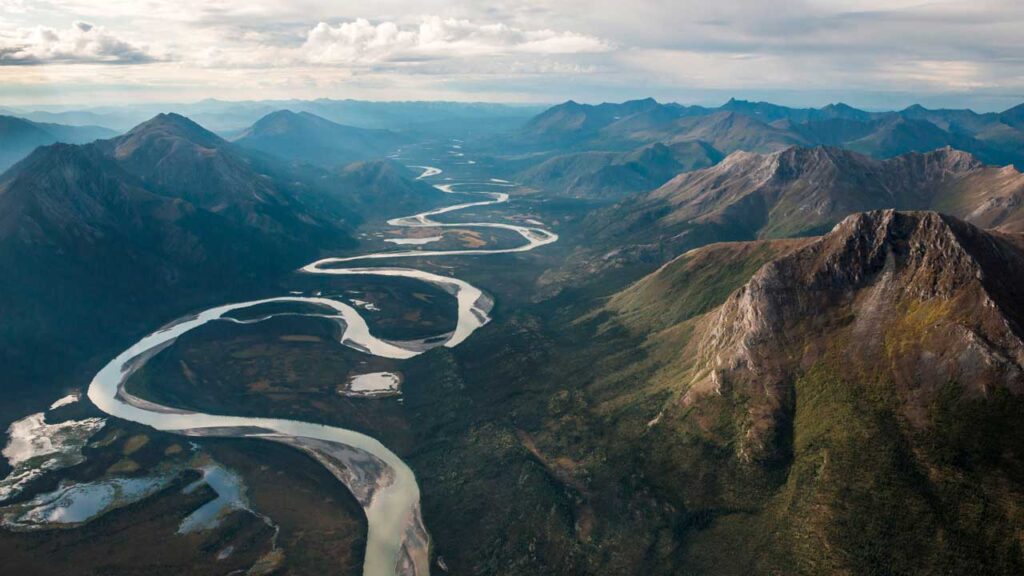
Located in northern Alaska entirely north of the Arctic Circle, Gates of the Arctic National Park and Preserve protects a vast, roadless wilderness in the central Brooks Range. Spanning approximately 8.4 million acres, it is the northernmost national park in the United States and remains one of the most untouched landscapes on Earth, with no established trails or visitor facilities.
The park is defined by its rugged limestone peaks, including the iconic “Gates” of Mount Boreal and Frigid Crags, and its wide glacial valleys. Its arctic ecosystem serves as a critical migration corridor for the Western Arctic Caribou Herd and provides habitat for grizzly bears, wolves, and Dall sheep. Six Wild and Scenic Rivers, including the Noatak and the Alatna, flow through the park’s tundra and boreal forests, offering a primitive landscape for experienced backpackers and river runners seeking total solitude.
6. Gateway Arch National Park

Located in St. Louis, Missouri, along the west bank of the Mississippi River, Gateway Arch National Park is the smallest national park in the United States, spanning just 91 acres. It commemorates the diverse people and events of westward expansion, serving as a symbolic “gateway” to the West and honoring the role of St. Louis in the nation’s 19th-century history.
The park’s centerpiece is the world-renowned Gateway Arch, a 630-foot-tall stainless steel catenary arch designed by architect Eero Saarinen. Beneath the Arch, an extensive subterranean museum explores the history of the Lewis and Clark Expedition, the Dred Scott case, and the displacement of Indigenous peoples. The surrounding grounds include the historic Old Courthouse and a landscape of reflecting ponds and walking paths, while the tram system inside the Arch offers visitors panoramic views of the city and the river.
7. Glacier Bay National Park and Preserve
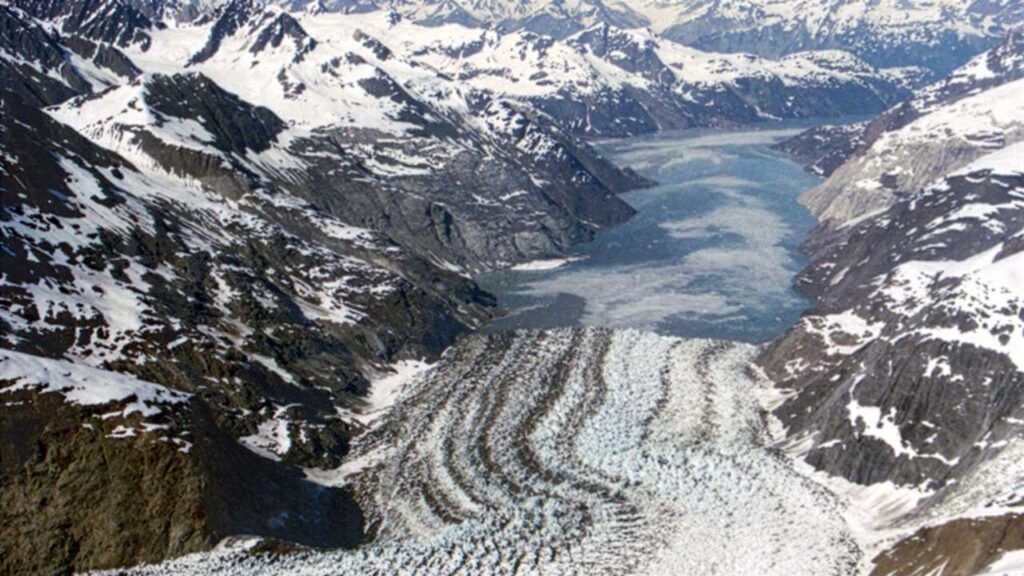
Located in the panhandle of Southeast Alaska, west of Juneau, Glacier Bay National Park and Preserve encompasses 3.3 million acres of rugged mountains, dynamic glaciers, and temperate rainforest. It is a highlight of Alaska’s Inside Passage and part of a 25-million-acre UNESCO World Heritage Site, representing one of the largest internationally protected areas on Earth.
The park is famous for its seven active tidewater glaciers that flow from the snow-capped Fairweather Range directly into the sea. These “rivers of ice” frequently calve massive shards into the deep fjords, creating a dramatic landscape of floating icebergs and emerald waters. Accessible only by boat or plane, the park serves as a vital sanctuary for diverse wildlife, including humpback whales, orcas, Steller sea lions, and brown bears. From the lush Sitka spruce forests of Bartlett Cove to the stark, ice-scoured reaches of the upper bay, Glacier Bay offers a profound look at post-glacial succession and the enduring homeland of the Huna Tlingit people.
8. Great Basin National Park
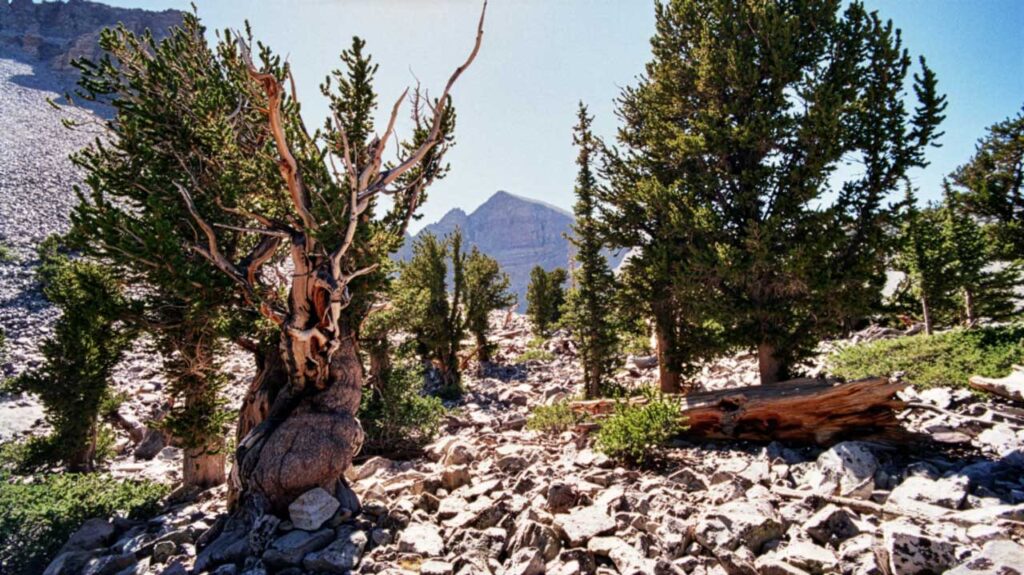
Located in east-central Nevada near the Utah border, Great Basin National Park protects 77,180 acres of the South Snake Range, a rugged mountain island rising from the surrounding desert floor. Established in 1986, it serves as a premier example of the “basin and range” geography, featuring extreme elevation changes that create diverse ecological zones ranging from sagebrush flats to alpine tundra.
The park’s most iconic residents are the ancient bristlecone pines, some of which are over 4,000 years old and represent the oldest non-clonal living organisms on Earth. Above these gnarled groves stands Wheeler Peak, the second-highest mountain in Nevada at 13,065 feet, which shelters the state’s only remaining glacier. Beneath the mountain’s surface lies the ornate Lehman Caves, a sprawling limestone cavern system renowned for its rare “shield” formations and intricate stalactites. Due to its remote location and high altitude, the park is also designated an International Dark Sky Park, offering some of the clearest views of the Milky Way in the contiguous United States.
9. Great Smoky Mountains National Park
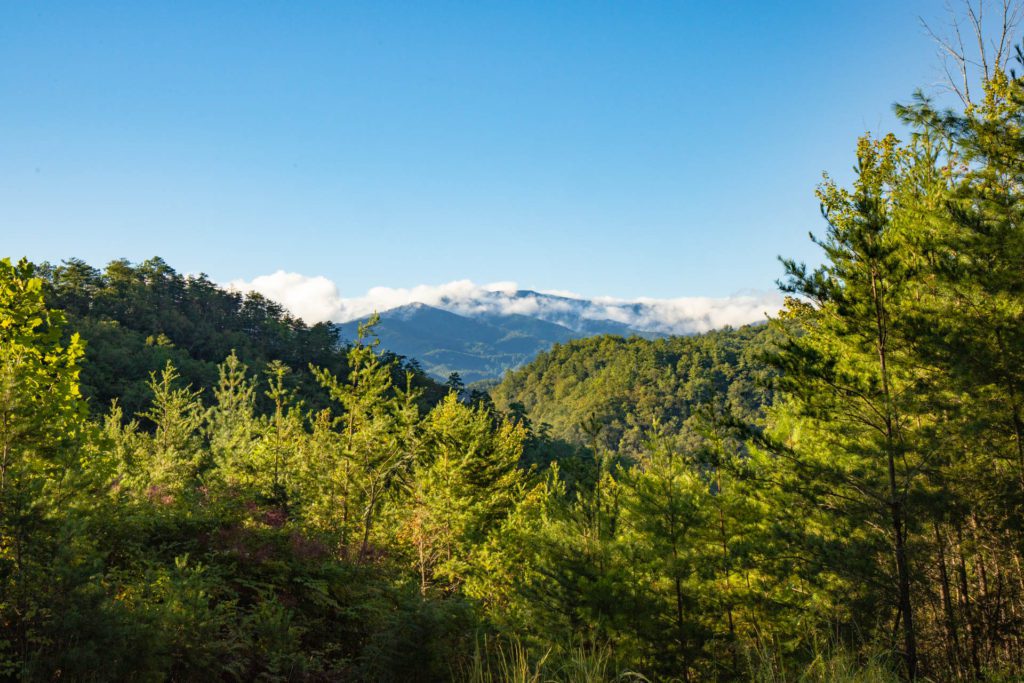
Located along the border of Tennessee and North Carolina in the southeastern United States, Great Smoky Mountains National Park protects 522,419 acres of the ancient Appalachian Mountains. As the most visited national park in the country and a UNESCO World Heritage site, it preserves a vast, mist-shrouded wilderness renowned for its immense biological diversity and its well-preserved remnants of Southern Appalachian mountain culture.
The park’s name is derived from the natural blue-gray haze produced by volatile organic compounds released by its dense vegetation. This “temperate rainforest” environment supports over 19,000 documented species, including more than 100 species of native trees and 1,500 types of flowering plants. Elevated peaks like Kuwohi (formerly Clingmans Dome) rise to 6,643 feet, providing a habitat for spruce-fir forests typically found in much more northern latitudes. Below the ridges, lush cove hardwoods and over 2,900 miles of mountain streams provide sanctuary for the densest black bear population in the East and a world-leading variety of salamanders.
10. Hot Springs National Park

Located in central Arkansas adjacent to the city of Hot Springs, Hot Springs National Park is the oldest protected area in the National Park System, predating the establishment of Yellowstone by 40 years. Spanning approximately 5,550 acres, it is unique for its urban integration, preserving the primary discharge of 47 geothermal springs that emerge from the base of Hot Springs Mountain.
The park is centered around the historic Bathhouse Row, a National Historic Landmark District featuring eight architecturally significant bathhouses constructed between 1892 and 1923. Unlike the volcanic geysers of the West, these waters are fueled by ancient rainwater that travels thousands of feet underground before resurfacing at an average temperature of 143°F. Beyond the historic structures, the park encompasses over 26 miles of hiking trails through the Ouachita Mountains, where dense oak-hickory forests and novaculite ridges provide a lush backdrop to the “American Spa.”
11. Katmai National Park and Preserve
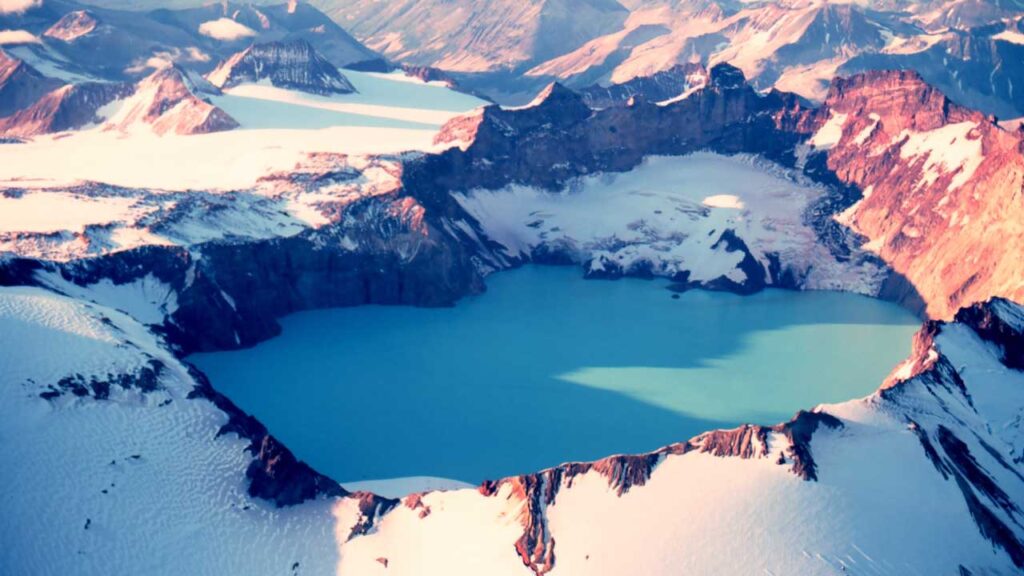
Located on the Alaska Peninsula across from Kodiak Island, Katmai National Park and Preserve protects over 4 million acres of a dynamic, volcanically active landscape. Established in 1918 to preserve the aftermath of the 1912 Novarupta eruption—the largest volcanic event of the 20th century—the park is home to the striking Valley of Ten Thousand Smokes, a 40-square-mile ash flow once characterized by thousands of active steam vents.
The park’s diverse ecosystem transitions from rugged Aleutian Range peaks and glaciers to vast tundra and a 497-mile coastline. It is internationally renowned for its population of over 2,000 brown bears, which gather in high concentrations at spots like Brooks Falls to feast on sockeye salmon during their annual migration. Beyond its natural wonders, Katmai preserves a 9,000-year record of human history, documenting the long-standing adaptation of Indigenous cultures to this ever-changing subarctic wilderness.
12. Kenai Fjords National Park
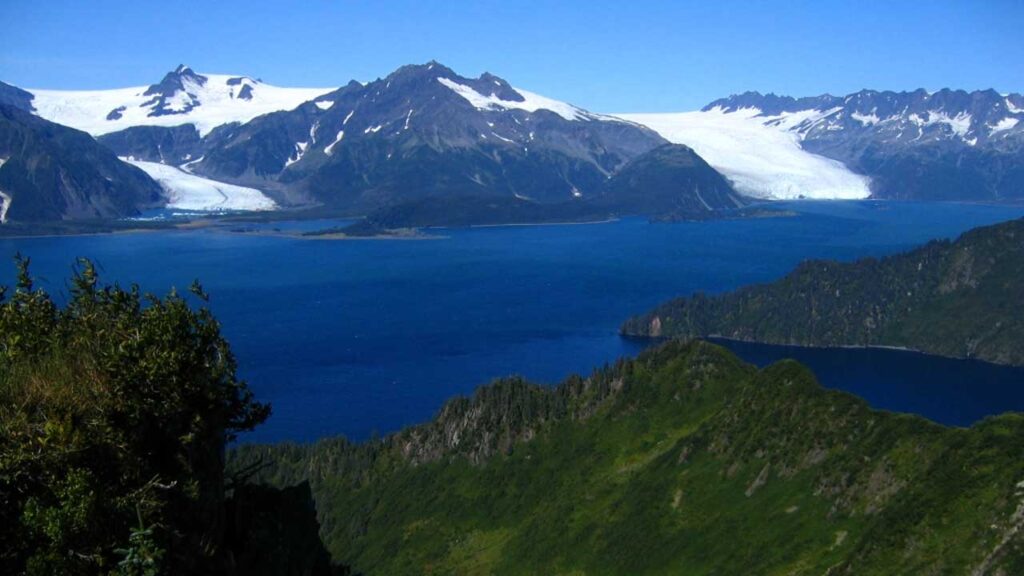
Located on the edge of the Kenai Peninsula in south-central Alaska, near the town of Seward, Kenai Fjords National Park protects 669,984 acres of a dramatic, ice-bound landscape. Established in 1980, the park preserves the Harding Icefield, one of the largest icefields in the United States, which covers over 700 square miles and serves as the source for at least 38 distinct glaciers.
The park is defined by its deep, steep-walled fjords carved by receding ice, where tidewater glaciers like Holgate and Aialik meet the North Pacific Ocean. These nutrient-rich waters support a vast array of marine life, including humpback whales, orcas, harbor seals, and Steller sea lions, while the rugged cliffs provide nesting grounds for thousands of seabirds like tufted puffins. From the lush Sitka spruce and western hemlock forests of the coast to the stark, windswept expanse of the icefield, Kenai Fjords offers a powerful testament to the ongoing retreat of the Pleistocene ice age.
13. Kobuk Valley National Park
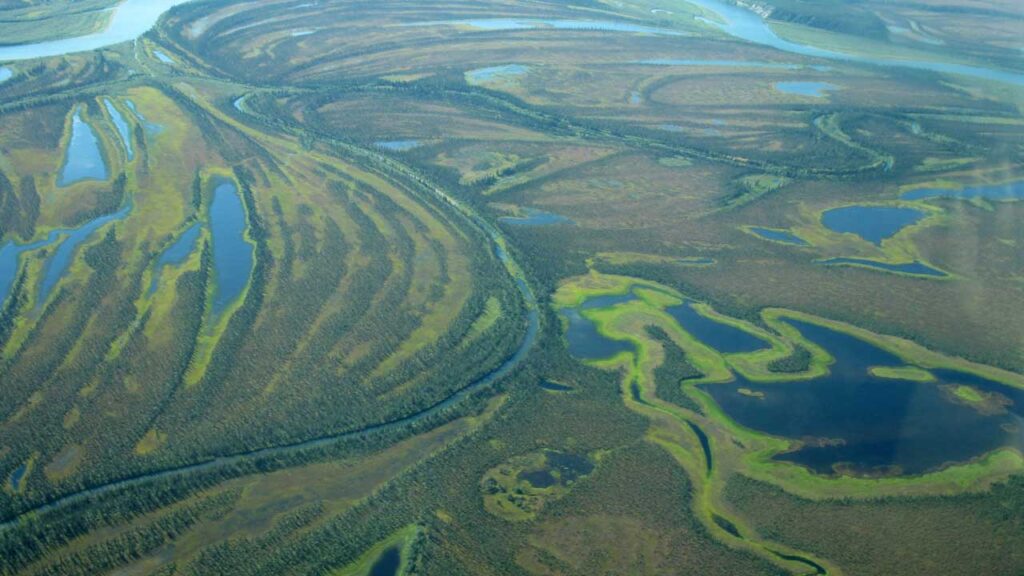
Located in northwestern Alaska, 25 miles north of the Arctic Circle, Kobuk Valley National Park protects 1.75 million acres of a remote and ancient landscape where the boreal forest meets the open tundra. Surrounded by the Baird and Waring Mountain Ranges, the park is defined by the slow-moving Kobuk River and contains no roads or established trails, making it one of the most untouched wilderness areas in the United States.
The park’s most striking feature is the Great Kobuk Sand Dunes, a 25-square-mile field of towering dunes created by the grinding action of ancient glaciers. Rising unexpectedly from the surrounding wetlands and forests, these dunes can experience summer temperatures reaching 100°F despite their arctic location. This ecosystem serves as a critical corridor for the Western Arctic Caribou Herd, which numbers nearly 250,000 animals and crosses the river twice annually during one of the planet’s last great migrations. Along the riverbanks at Onion Portage, a 9,000-year archaeological record documents the long history of the Inupiat people, who continue to practice a subsistence lifestyle in the valley today.
14. Lake Clark National Park and Preserve
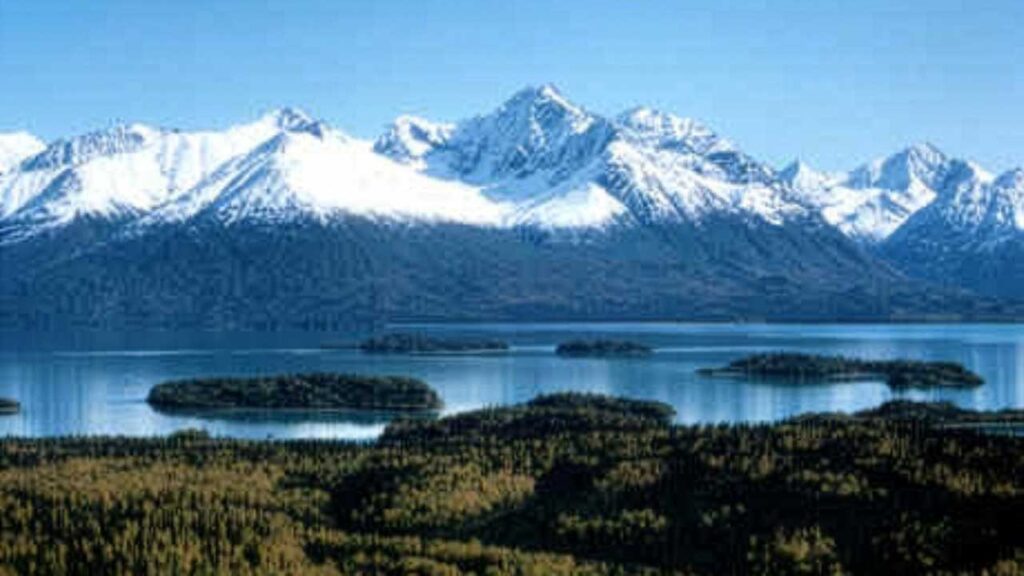
Located in south-central Alaska, approximately 100 miles southwest of Anchorage, Lake Clark National Park and Preserve protects over 4 million acres of a diverse and dynamic wilderness. Often described as “Alaska in miniature,” the park encompasses a vast array of ecosystems, including the jagged Chigmit Mountains—where the Alaska and Aleutian Ranges meet—two active stratovolcanoes (Mount Redoubt and Mount Iliamna), and the turquoise waters of its 42-mile-long namesake lake.
The park serves as a critical sanctuary for the Bristol Bay sockeye salmon fishery, one of the largest in the world, which in turn supports a dense population of brown and black bears. Beyond the coastal salt marshes and inland boreal forests, the park preserves over 10,000 years of human history, particularly that of the Dena’ina Athabascan people, who call the lake Qizhjeh Vena. Accessible only by boat or small aircraft, Lake Clark remains a roadless landscape of extreme solitude, featuring three National Wild Rivers and the historic cabin of Richard Proenneke at Upper Twin Lake.
15. Mammoth Cave National Park
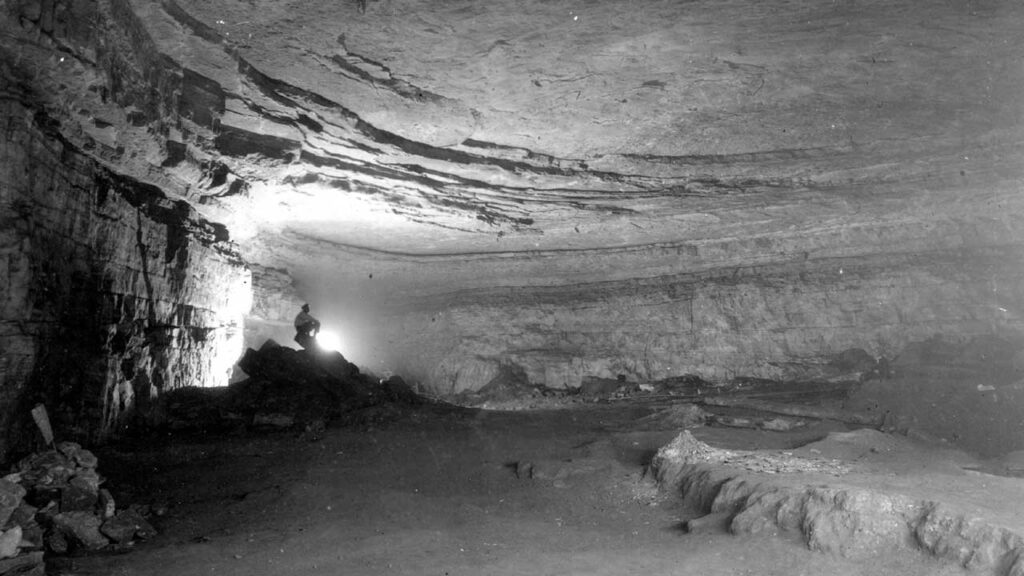
Located in central Kentucky near the city of Brownsville, Mammoth Cave National Park preserves the most extensive known cave system in the world, with over 426 miles of surveyed passages. Spanning approximately 52,830 acres of the Green River valley, the park is a UNESCO World Heritage site and an International Biosphere Reserve, protecting a complex subterranean labyrinth formed within thick layers of Mississippian-aged limestone and sandstone.
The park’s ecosystem is defined by its dramatic karst topography, featuring massive sinkholes, disappearing streams, and vertical shafts that channel water into the lightless world below. These environments support a specialized array of cave-dwelling wildlife, including eyeless fish and several species of bats. Above ground, the lush hardwood forests of the Pennyroyal Plateau provide a scenic backdrop for the Green and Nolin Rivers, which offer over 30 miles of navigable water trails. From the vast, historic Rotunda chamber to the narrow, winding passages of the “Fat Man’s Misery,” Mammoth Cave offers an unparalleled glimpse into the geological forces that have shaped the American landscape for millions of years.
16. New River Gorge National Park and Preserve
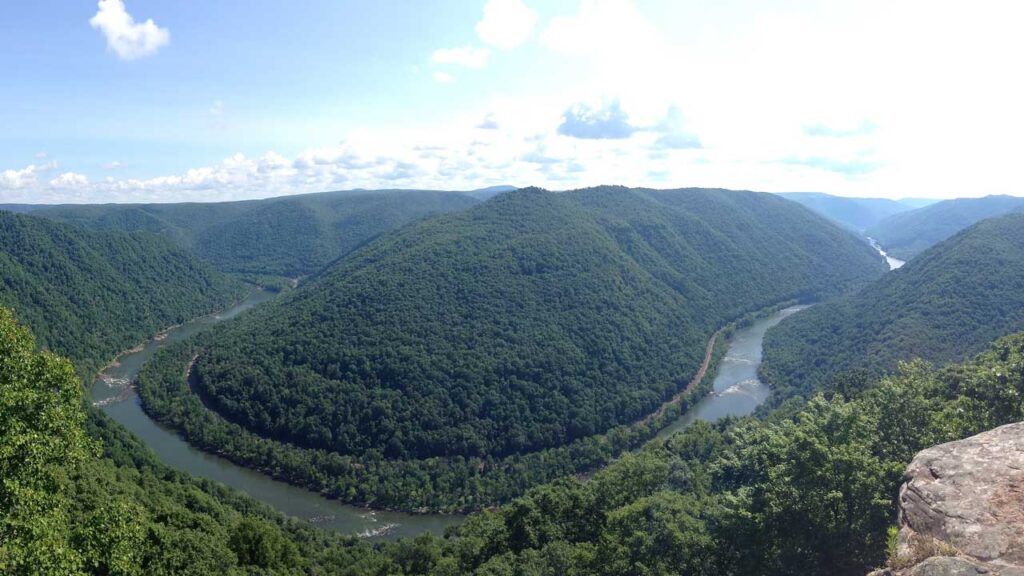
Located in southern West Virginia near the town of Fayetteville, New River Gorge National Park and Preserve protects 72,808 acres along one of the oldest rivers on the continent. Redesignated as a national park in 2020, it encompasses a dramatic 53-mile stretch of the New River, which has carved a deep, rugged canyon through the Appalachian Plateau, exposing ancient layers of sandstone and coal-bearing rock.
The park is world-renowned for its diverse recreational landscape, featuring over 1,400 established rock climbing routes on its sheer Nuttall Sandstone cliffs and some of the most challenging whitewater rafting in the eastern United States. Spanning the gorge is the New River Gorge Bridge, a 3,030-foot steel arch structure that stands 876 feet above the river, serving as an iconic landmark of modern engineering. Within the dense oak-hickory forests of the canyon walls, the park preserves a rich cultural history of the Appalachian coal industry, including the remains of abandoned mining towns like Thurmond and Kaymoor that once powered the nation’s industrial expansion.
17. North Cascades National Park
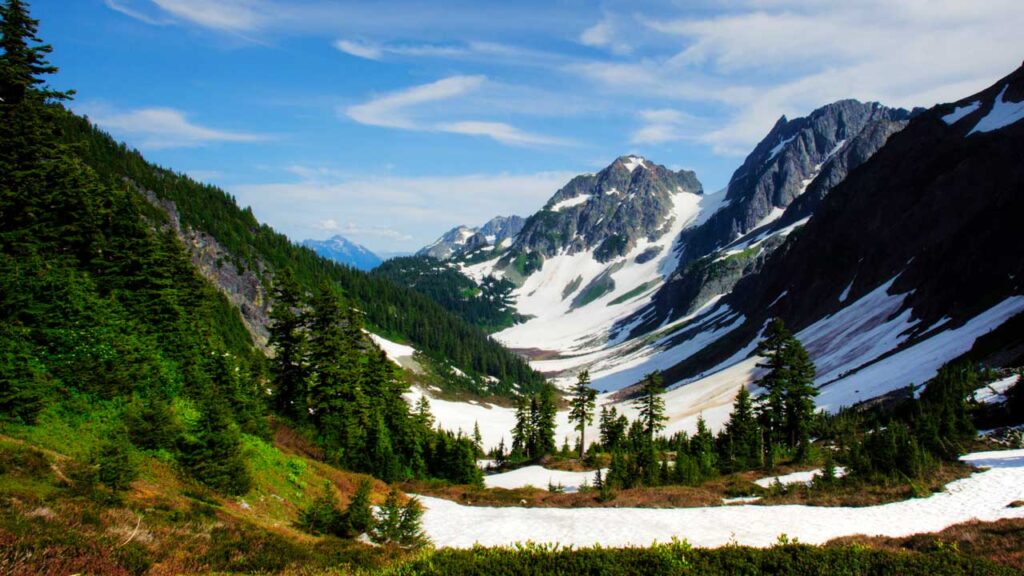
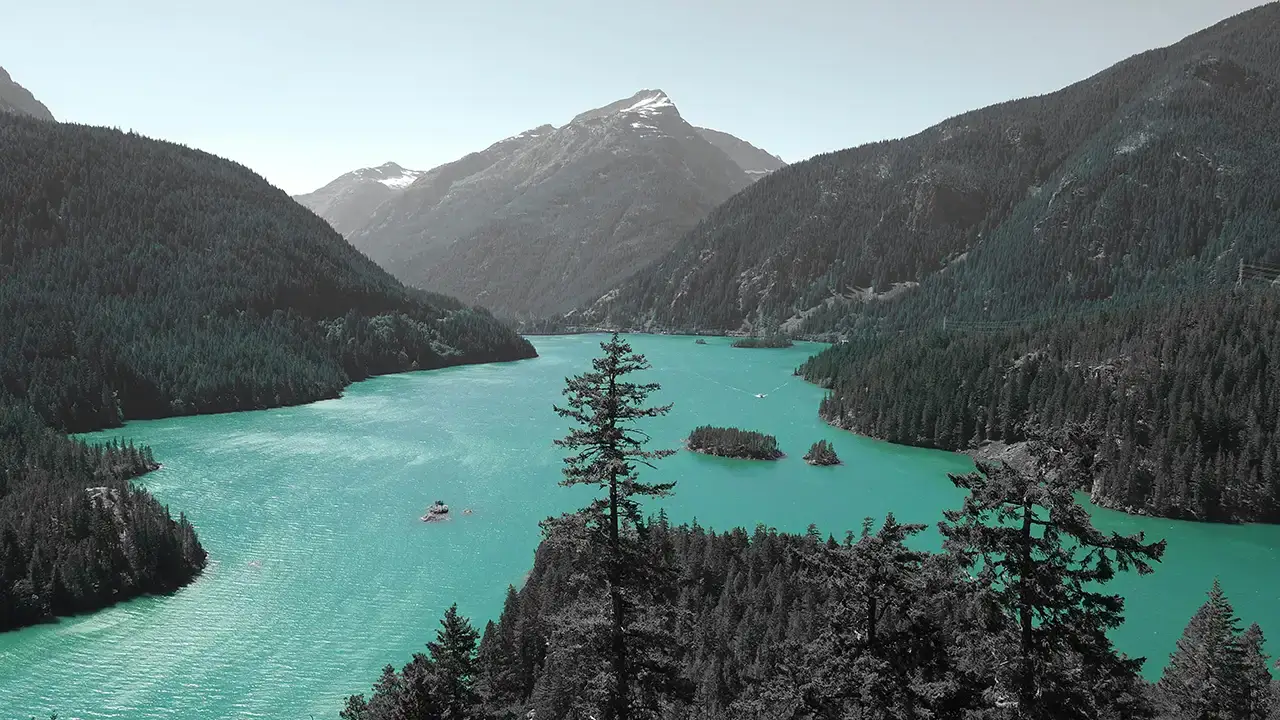
Located in northwestern Washington State along the Canadian border, North Cascades National Park protects over 500,000 acres of one of the most rugged and biologically diverse mountain landscapes in North America. Known as the “American Alps,” the park is part of a larger 684,000-acre service complex that includes the Ross Lake and Lake Chelan National Recreation Areas, preserving a vast wilderness of jagged peaks, deep forested valleys, and more than 300 active glaciers—the largest concentration in the contiguous United States.
The park’s dramatic vertical relief, spanning nearly 9,000 feet of elevation, supports eight distinct life zones and over 1,600 vascular plant species. West-side temperate rainforests of ancient Douglas fir and western red cedar give way to subalpine meadows and stark alpine tundra, while the drier eastern slopes are dominated by ponderosa pine. This intact ecosystem provides a critical sanctuary for elusive wildlife, including gray wolves, wolverines, and grizzly bears. Thousands of miles of rivers and streams, many fed by glacial meltwater, flow through the range, supporting all five species of Pacific salmon and attracting one of the largest wintering populations of bald eagles in the country.
18. Redwood National Park and State Parks
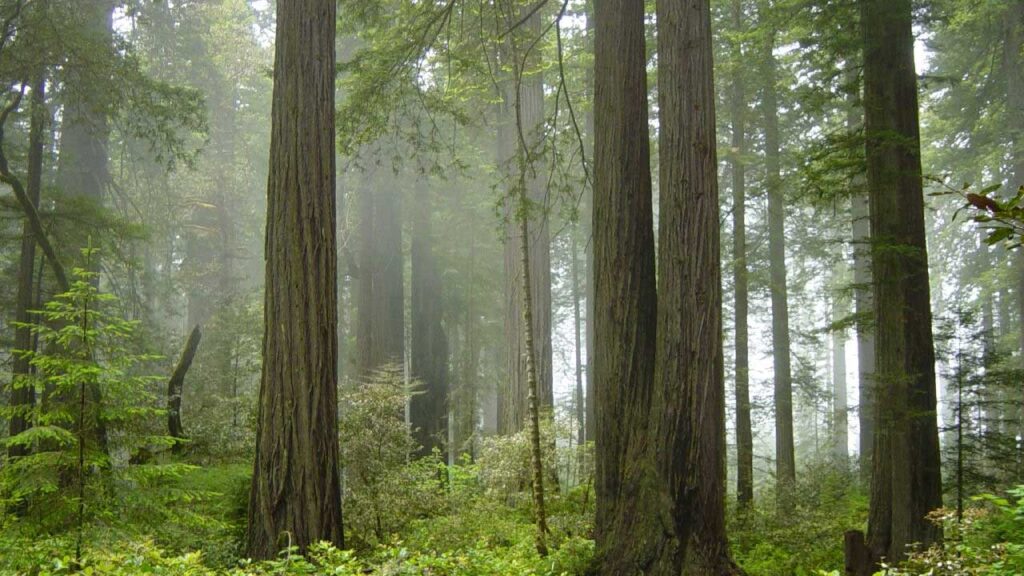
Located along the coast of northern California near the town of Crescent City, Redwood National and State Parks is a unique partnership between the National Park Service and California State Parks. This 139,000-acre complex protects nearly half of the world’s remaining old-growth coast redwood forest, including some of the tallest trees on Earth. These massive trees can live for over 2,000 years and reach heights exceeding 370 feet, thriving in the cool, moist climate of the Pacific coast.
The park’s ecosystem extends beyond the towering forest to include 40 miles of rugged coastline, pristine rivers, and expansive prairies. This diverse landscape provides a critical sanctuary for threatened species such as the marbled murrelet, northern spotted owl, and Steller sea lion. From the fern-draped walls of Fern Canyon to the windswept bluffs of Gold Bluffs Beach, the parks preserve a primeval wilderness that has served as the ancestral home of the Yurok and Tolowa Dee-ni’ peoples for millennia.
19. Voyageurs National Park
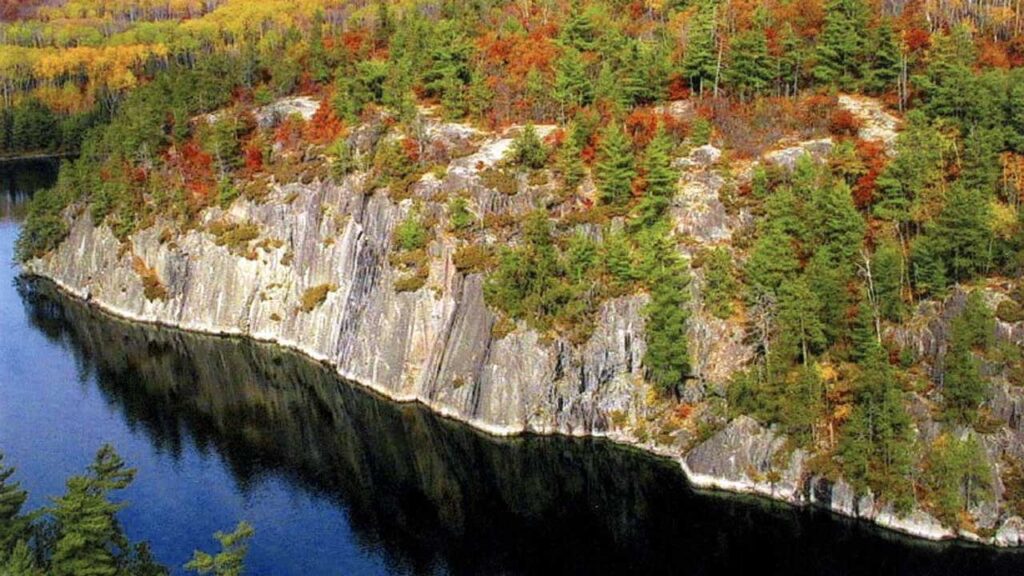
Located in northern Minnesota along the Canadian border, near the town of International Falls, Voyageurs National Park protects 218,054 acres of a vast, water-based wilderness. Established in 1975, the park is named for the French-Canadian fur traders who traveled these interconnected waterways by birchbark canoe in the 18th and 19th centuries. It preserves a unique landscape of southern boreal forest and some of the oldest exposed rock formations in the world, dating back over 2.8 billion years to the Precambrian era.
The park is defined by its four large lakes—Rainy, Kabetogama, Namakan, and Sand Point—and hundreds of smaller islands and beaver ponds that make up nearly 40% of its total area. This aquatic ecosystem provides a critical sanctuary for iconic Northwoods wildlife, including gray wolves, moose, and one of the highest concentrations of bald eagles in the lower 48 states. Accessible primarily by water, Voyageurs offers a primitive landscape of rocky shorelines and dense forests of pine, spruce, and fir, providing a serene environment for motorboating, canoeing, and viewing the Northern Lights in one of the darkest skies in the Midwest.
20. Wind Cave National Park
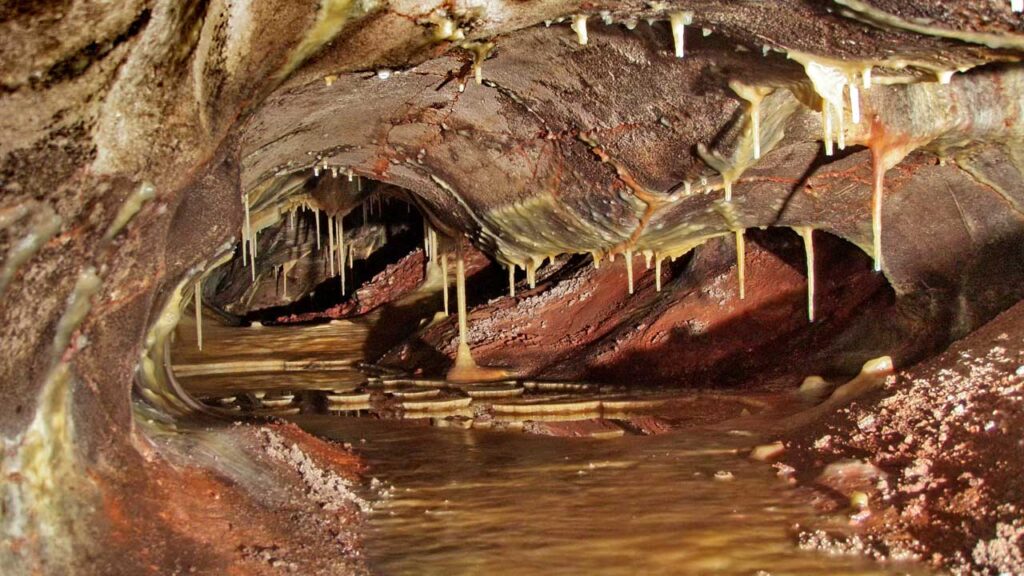
Located in southwestern South Dakota near the town of Hot Springs, Wind Cave National Park protects 33,970 acres of a dual-world landscape where the rolling mixed-grass prairie of the Great Plains meets the ponderosa pine forests of the Black Hills. Established in 1903, it was the first cave in the world to be designated a national park, though it is equally significant today as a wildlife sanctuary for some of North America’s most iconic species.
The park is named for the barometric “breath” of its cave—a phenomenon where air rushes in or out of the natural entrance to equalize atmospheric pressure. Below the surface lies one of the longest and densest cave systems on Earth, famous for containing 95% of the world’s discovered boxwork, a rare honeycomb-like calcite formation. Above ground, the park’s sunlit prairie serves as a critical refuge for one of the few genetically pure bison herds in existence, as well as pronghorn, elk, and black-footed ferrets. This intersection of subterranean geological wonders and a thriving grassland ecosystem makes Wind Cave a unique site of both spiritual importance to the Lakota people and modern ecological conservation.
21. Wrangell-St. Elias National Park and Preserve
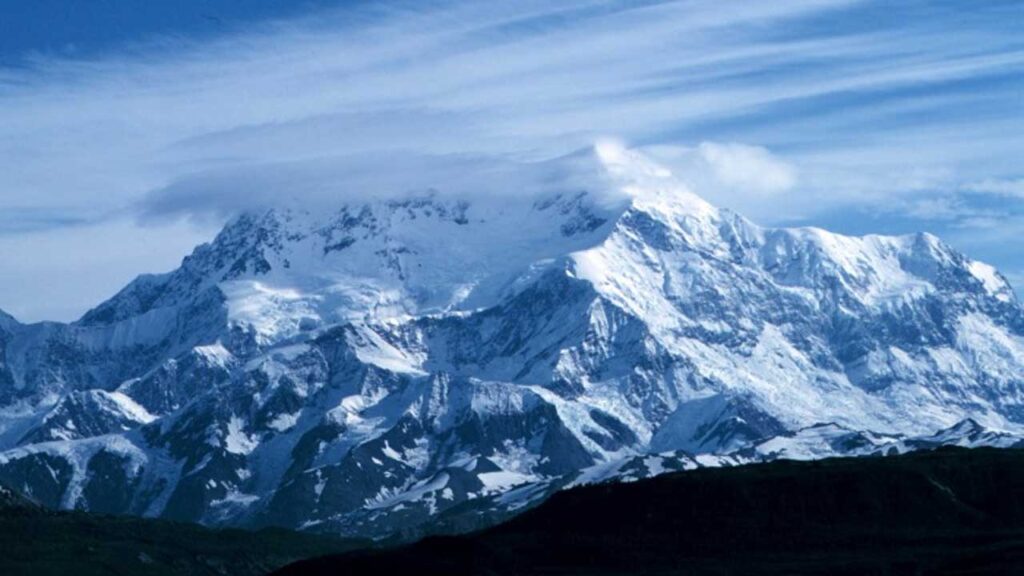
Located in south-central Alaska along the Canadian border, Wrangell-St. Elias National Park and Preserve is the largest unit of the National Park System, encompassing a staggering 13.2 million acres. This vast wilderness is a convergence of four major mountain ranges—the Wrangell, St. Elias, Chugach, and Alaska Ranges—and contains nine of the 16 highest peaks in the United States. Together with neighboring parks in Alaska and Canada, it forms part of a premier UNESCO World Heritage site, representing one of the largest internationally protected ecosystems on Earth.
The park is defined by its colossal glacial features, including the Malaspina Glacier, which is larger than the state of Rhode Island, and the Nabesna Glacier, the world’s longest interior valley glacier. This high-altitude landscape transitions from rugged coastal fjords and massive icefields to expansive tundra and boreal forests, providing a critical sanctuary for diverse wildlife such as grizzly bears, caribou, and Dall sheep. At the heart of the park lies the Kennecott Mines National Historic Landmark, where the preserved remains of a early 20th-century copper mining boomtown offer a stark contrast to the surrounding primeval ice and rock.
Check out These Articles Next:
Least crowded national parks
National parks that require reservations
An epic Utah national parks road trip