How to Pack Out Your WAG Bag Without the Ick Factor (Or the Smell)

Ever pooped in a bag in the great outdoors? If you haven’t, you’re either lucky enough to live and hike where catholes are allowed and recommended (read about when to dig a cathole and when to use a WAG bag HERE) or you haven’t yet spent enough nights deep in the wilderness. Because if there’s one thing most seasoned outdoorists know how to do, it’s poop in a bag. But there’s a first time for everything, so if you’re looking for how to use a WAG Bag, what they even are, or need some tips for reducing the ick factor and the smell when packing them out, we’ve got you covered.
A Tale of Unconventional WAG Bag Usage
First of all, WAG bags are great: they’re sometimes easier to use than digging a cathole (like in rock hard or frozen soil), are more eco-friendly (no poop in the ground means no pathogens to contaminate waterways), and sometimes they’re straight up required (like in the desert or sensitive ecosystems). And frankly, sometimes they’re just easier. Like when you really really have to go, like, now.
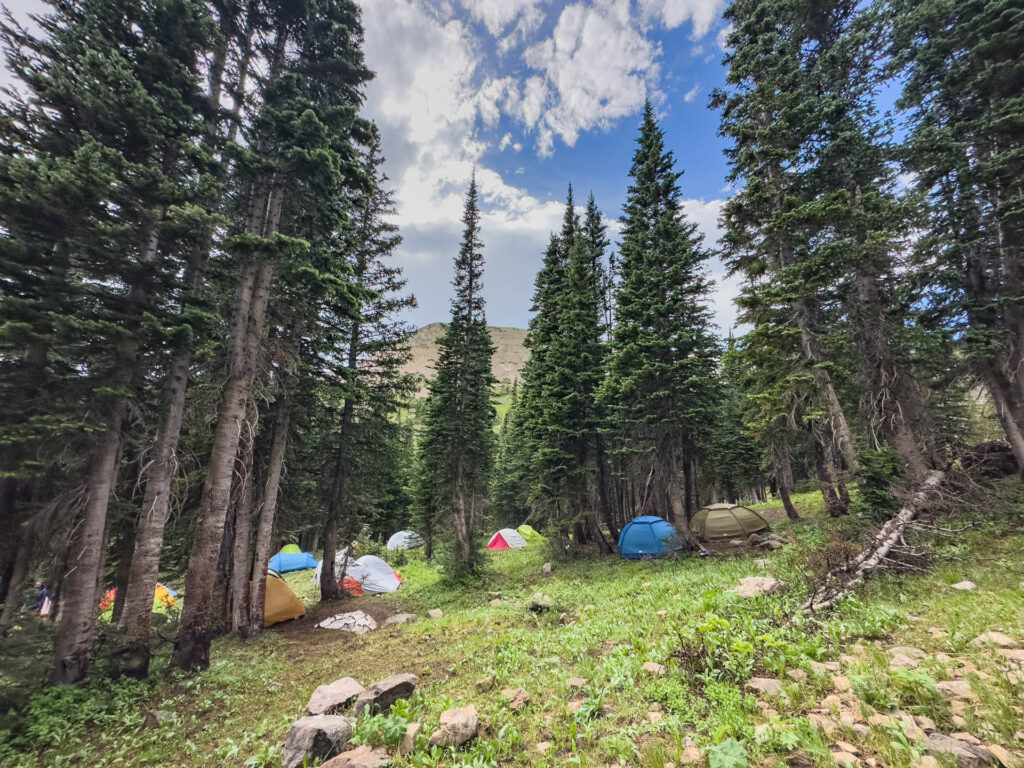
Or when you’re at a busy backcountry campground where you can’t find a private spot to drop trou if your life depended on it. Why? Because using a WAG bag means, if absolutely necessary, you can do your business right there inside the privacy of your tent.
Yup. I’ve done it. I’m not proud of it–and yes, my tent is still squeaky clean because I’m fastidious and have impeccable aim–but sometimes the situation calls for it. Because one thing I refuse to do is wave at fellow hikers while I’m doing my business.
Would I recommend pooping in a bag inside your tent? Not if you can help it, NOT in grizzly bear country and certainly not if you don’t have any practice using a WAG bag. But once you’ve nailed your technique and aren’t at risk of ending up with excrement on your tent floor, well, do what you have to. No judgment here.
The Importance of Proper WAG Bag Usage
But whether you’re pooping in a bag behind a tree, in a river valley, or behind (or inside) your tent, using a WAG bag and packing it out (never leave a waste bag in the backcountry) is never anybody’s idea of a good time. They can be smelly if you don’t use them correctly, can puncture or get smashed if you don’t store them correctly, and can just seem icky. It is, after all, human waste and contains plenty of microscopic organisms that can make you sick.
So how do you use a WAG bag and then pack it out so you’re not smelling your own waste or worried it’s going to smush out all over your sleeping bag? Read on.

WAG Bag Basics
First, let’s cover the basics.
What is a WAG Bag?
While you may have spent most of your life using the term “wag bag” to describe those cheap little plastic bags used for picking up dog poop on the trail, the term isn’t restricted to animal waste. In fact, It’s also used to describe bags that pack out human waste.
Yup, “WAG bag” is the colloquial term for bags you poop in when you’re in the backcountry when there are no toilets available and when digging a cathole to go into isn’t possible or advisable (read about when to dig a cathole and when to use a wag bag in this article).
WAG bags, which stands for “Waste Alleviation and Gelling” bags, are sturdy plastic bags (usually two are included for extra containment) that typically contain a powdered gelling compound intended to reduce smells and absorb a bit of excess liquid. They are opaque (as in, not see through) and make it easy to pack out human waste.
Importantly, because they are typically made of two layers of durable material, stories of punctures and explosions are rare. So don’t worry about that too much.
How Many WAG Bags Do You Need per Trip?
How many bags you need for any given backcountry trip depends largely on you. How healthy is your digestive system? If you’re super regular and go at least twice a day, you may want to bring more than folks who tend to get a little constipated when sleeping in the wilderness. But Andy Blair, NOLS Teton Valley Campus director, says, “The standard ratio is one WAG bag per person for every three days.”
That’s because most bags are pretty large and you can usually go in them a couple times. Ultralighters like me are likely to use one a few times, but it’s important to note that the gelling powder has its limits, so the more you use a bag, the less gelling agent there is to go around and the more the bag will likely get squishy and smell.
That said, WAG bags do cost money (usually in the $18 range for six bags), so decide for yourself whether you want to stretch your dollar and deal with a little smell when reopening or you’d rather just use one once and be done with it. Also: the bags are made of non-recyclable plastic and sometimes a foil-like material, so using fewer of them will always be more sustainable.
How Bad do WAG Bags Smell?
Honestly, if you use a dedicated waste bag correctly, the smell should be minimal. The last few times I’ve used them in the backcountry I didn’t smell anything at all after tying them up appropriately. If you use one a few times, you’ll smell them when you open them up, but sufficient gelling powder can help reduce that.
Just don’t cut corners and use regular trash bags, zip top bags–or worse–dog poop bags; they aren’t sturdy enough to handle the abuse of backpacking and won’t help reduce the smell.

How to Use a WAG Bag
While that might sound gross or intimidating, using one is actually pretty easy. And according to Blair, “they are sanitary.”
Here’s how to use one:
- Open the outer bag and remove the inner bag.
- Open the inner bag nice and wide and fold the top edges down on the outside of the bag for ease of use and cleaner closing up after use. These bags are typically large and accommodate less than stellar aim.
- If the gelling powder is in a separate pouch, remove it and sprinkle it into the open inner bag. If it’s already in there, you’re good to go.
- Place the inner bag on the ground, ensuring the opening is nice and wide, and drop your drawers.
- Squat strategically over the bag opening (aim carefully!) and do your business (ideally very little urine should get into the bag).
- When you’re done, give it a little shake to make sure the deodorizing powder is in contact with your waste so it works better.
- Dispose of toilet paper or wipes (we like the biodegradable compressed wipes from Pact) in the inner bag.
- Press as much air out of the inner bag as you can. We recommend pointing it away from your face for this part… Knot the top of the bag or, if you plan to reuse it, use a twist tie or loose knot.
- Drop the inner bag into the outer bag, press excess air out, and seal it up via knot (again, loosely if you plan to reuse) or zip top closure if your bag has one.
- Pack it out and throw it in the garbage once you’re back in civilization.
That’s right, you DO NOT use them like a dog poop bag and poop on the ground then pick it up with the bag. Go IN the bag.
Pro tip: If you’re worried about aim, well, practice makes perfect. It’s not much different from pooping in a cathole, honestly. But if you’re new to pooping in the woods and really worried about it, you can always hold it closer to your exit port (lol); just make sure the sides are folded down so you’re less likely to get waste on the parts of the bag you’ll be touching when you tie it up.
What Do I Do with My WAG Bag When Camping?
If you’re spending the night in the wilderness, especially in bear country, store your poop just like you would your food: hung high in a tree via a bear hang or in a bear canister. If that seems gross, bring extra trash bags or dry bags to keep it extra separate or a second bear canister just for waste.

How To Pack Out A WAG Bag
Now that you’ve pooped in a bag (congrats; you’re now a level 5 outdoorist!), you have to pack it out, per Leave No Trace principles. I know, it’s not the most fun part of backpacking, but it absolutely must be done. Fortunately, there are ways to decrease the ick factor and reduce the smell and the fear that it’s going to explode all over your gear.
- Squat low, carry high: Blair recommends stashing your used WAG bag in the lid of your pack or the top of the main compartment if your pack doesn’t have a lid. That way, it doesn’t get smashed by or snagged on bulky gear.
- Bring an extra trash bag: “When using pack out kits on a multi-day backpacking trip or any trip where you’ll be carrying them for multiple days, we usually keep them in an additional heavy duty trash bag just to be extra safe,” says Jake Thomas, co-founder of Pact. A small dry bag used just for waste bags will do, too, he says (you may want to label it so it doesn’t get confused for your other bags). You can even clip that to the outside of your bag.
- Protect the goods (and your nose): Thomas also suggests bringing an empty protein powder container or similar lightweight vessel for stashing used WAG bags. This will protect the bags from getting smashed or punctured and help reduce the smell. Containers similar to Tupperware will also do the trick. Don’t use reusable silicone bags, though, as they can absorb smells more easily than hard plastic.
- Keep a biohazard bucket in your car: Not all trailheads have trashcans, Thomas reminds us. So if you know you’ll be using WAG bags on a trip, stash a lidded bucket or large protein powder container that’s big enough for several bags in your car for transportation home after your hike. That way you don’t stink up your vehicle and make your hiking buddies inhale toxic fumes on the drive home.
The Best WAG Bags
When it comes to purchasing bathroom bags for wilderness trips, we prefer the Pact Pack Out Kit, which has a durable, odor-proof outer bag, plus deodorizing powder, compressed wipes and a sanitizing wipe included in each packet, so it includes all you need AND it’s more effective at locking in smells than some of the other brands. But you can find a Reliance toilet waste bag at many REI stores.

Bottom Line
Now that you know how to use a WAG bag with confidence, you’ve read a few tips and ideas for packing it out without grossing yourself out, and have heard from experts about what to do (and maybe not do) with a WAG bag, get out there and poop in a bag with confidence!
Have your own harrowing WAG bag stories to share? Please, do tell in the comments! We love a good cautionary tale of pooping in the great outdoors! Wander on.