How to Poop in the Woods: Catholes, Wag Bags, Bidets and More!
New to the outdoors? Or just new to pooping in it? We’ve all been there. But don’t be nervous! There’s a first time for everything, as they say! But don’t worry; we’re here to help you loosen up and make pooping in the woods less taboo, less scary, and–dare I say it–more fun. So find yourself a bush, prepare to leave no trace, and learn how to poop in the woods the right way (yes, there’s definitely a wrong way)!
Want a video instead? Watch our instructions on how to poop in the woods here.
First Things First: Where to Go
But Wait! Before you grab your TP, find a tree the size of your modesty and drop trou, perhaps the most important thing to know when pooping in the woods is to leave no trace. As in, follow Leave No Trace principles for sustainability and responsibility in the outdoors. The third of the seven principles is this: Dispose of waste properly.
And “waste” includes human waste, i.e. your own dang excrement (and the excrement of any furry companions).
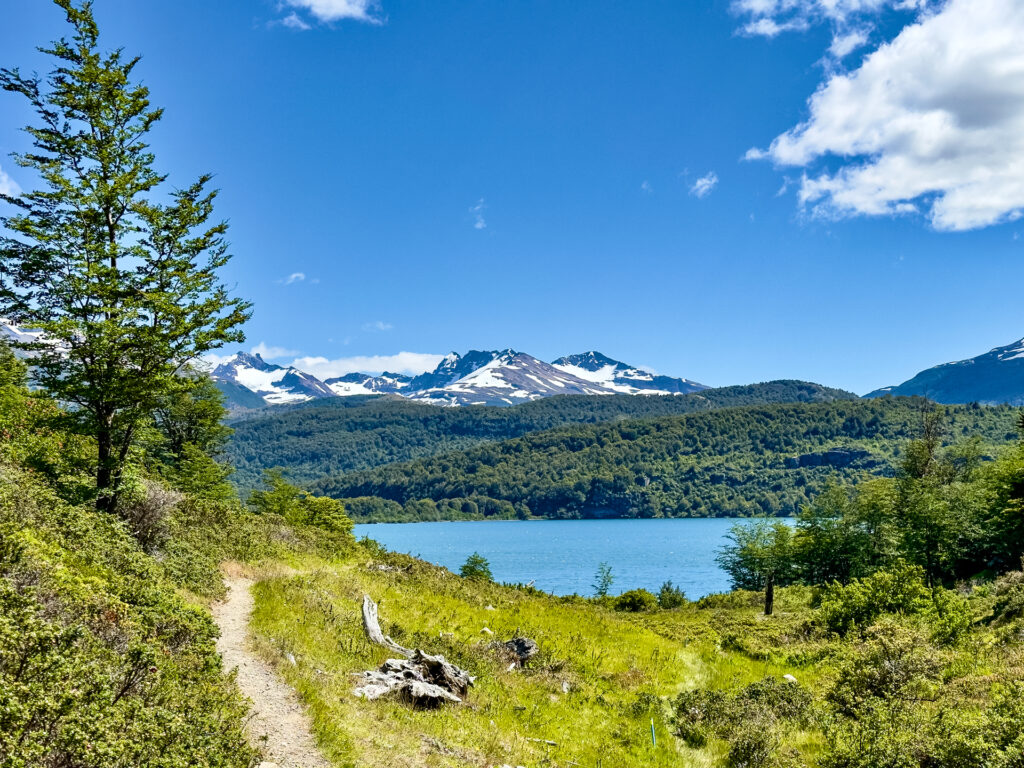
Part of leaving no trace includes going in an appropriate place to avoid spreading disease or harming the surrounding environment. So find a spot that suits your desire for privacy that’s at least 200 feet (about 70 paces) from both running water and campsites, ’cause not only is going closer gross for everyone else, it could contaminate the drinking water and give everyone e.Coli.
On that note, make sure you wash your hands afterward with soap and water because hand sanitizer may not kill norovirus or cryptosporidium, the later of which can be found in unpurified natural water sources.
Have a furry friend? Pack out their poop just like you would during a walk around your neighborhood.
How to Poop in the Woods: Cathole vs Wag Bag
But going outdoors isn’t as easy as finding a secluded spot and doing your business. On the contrary, it’s important to know how to dispose of your waste, including when to use a cathole vs when to use a wag bag. Not sure what either of those are or when to use one or the other? Read on.
When to Dig a Cathole
Most of the time in the outdoors, proper disposal of human waste means digging a cathole. If you’re in the woods or places with dig-able earth, a cathole is a hole 6-8 inches deep and about the same width across dug in the soil with a lightweight spade (colloquially known as a poop shovel) in which to deposit human waste (and TP). To use it, pop a squat, hover over the hole, and poo directly in the hole. When you’re done, cover it all up using the earth you just dug up before you walk away. Note: your “poop shovel” should never actually touch poop–it’s strictly for digging in the dirt!
As for TP, don’t even think about leaving it in the bushes or at the base of a tree, even if you only went #1 and didn’t have to dig a hole. Nothing mucks up the beauty of nature more than little white squares littering the side of the trail or campsite. In fact, we prefer a reusable, anti-microbial Kula Cloth for dabbing up liquid waste and Pact Outdoors compressed wipes (plus a few mycelium tabs to speed up decomposition) for solid waste. Traditional wet wipes biodegrade very slowly, often contain synthetic materials that shouldn’t be left in nature, and aren’t the best choice for the outdoors, so if you want to use those, pack them out in an opaque trash bag (or a zip-top covered in duct tape).

When to Use a Wag Bag
BUT! You can’t always dig a cathole. Sometimes you have to pack out your own poo in something colloquially known as a “wag bag,” which is a thick, opaque bag (or two) made specifically for bathroom breaks. There are several brands that make these kits, but we like Pact Outdoors Pack Out Kits because they include instructions for how to use the kit, two bags to layer and reduce the ick factor and smell, powder for deodorizing and gelling waste so it’s not as soft and squishy, two compressed wipes and an antiseptic hand wipe. Everything you need in one portable package! Others may only include bags, some might include a small roll of toilet paper or gelling powder.
Here are a few places where you must use a wag bag:
- River canyons. You likely can’t get 200 feet from water, and even if you can, you may not be far enough away for your poop to escape high water levels if the river swells throughout the year.
- The desert. Soil in the desert is too devoid of moisture to aid in biodegradation, so waste can take years to break down.
- Where there’s snow or frozen tundra. Poop will just freeze, not decompose. And when spring comes it will likely be sitting on top of the soil after snow melts. Besides, digging a hole may not even be possible if the ground is frozen.
- In rocky regions. Sometimes you simply cannot feasibly dig a cat hole in places where the earth is too hard to dig or it’s composed entirely of boulders and rocks. DO NOT just go between rocks and cover it up with more rocks; an animal will find it or rain will wash it away, potentially contaminating the landscape and nearby water sources.
- Some state and national parks. Places like North Cascades National Park and other parks may require you to pack out your waste, so check restrictions and signage before you start your hike.
How do you use a wag bag? Open the flexible inner bag nice and wide (I like to roll the top down on the outside of the bag a bit), hover your butt over the opening, and poo inside. Drop your TP or wipes in when you’re done, and deodorizing powder if included, press out most of the air as you twist and tie it up nice and tight, then drop that inner bag inside the more durable outer bag. Seal THAT up well, then toss the whole thing in your pack or tie it to the outside. Then celebrate that you successfully pooped in a bag! Congrats! You’re an honest-to-goodness outdoorist now!
Some bags can be used twice, so keep that in mind if you’re on a multi-day trip and think you might not have brought enough. As in, don’t tie up the bags so tight you can’t open them later to poo in again. Read our tips for reducing the ick factor and the smell when packing them out here.

How to Poop in the Woods: The Tools
Before you head into the woods, whether it’s for a long day hike, extended trail run, paddle or backpacking trip, get a bathroom kit together and bring it with you every single time. I have mine in a small ultralight stuff sack so it’s always ready to go. And when I use any of the supplies on the trail, I replace them as soon as I get home (just like first aid supplies in my first aid kit).
- Cathole Shovel or Ultralight Trowel: There are plenty of options out there for lightweight spades, including the Dirt Duece (my personal fave), titanium options, and the handy all-in-one Pact Outdoors Lite kit.
- Toilet Paper, Wet Wipes and/or Kula Cloth: People who squat to pee may want to consider carrying a reusable, anti-microbial Kula Cloth for when you have to pee. It’s easily washed at the end of the day and means you don’t have to bury or pack out toilet paper every time you pee. TP can be buried on its own or with solid waste (where allowed) but you should always pack out traditional wet wipes, which take longer to break down. Also they’re heavy, which is why we prefer compressed wipes that expand and turn into wet wipes with a few drops of water.
- Bidet: If you like to feel extra clean, a packable or ultralight bidet can be a nice addition to your kit. It’s hardly required, though.
- Soap and/or Hand Sanitizer: Bring hand sanitizer for a quick solution and biodegradable soap for when you get the chance to wash with water (but not in a body of water: biodegradable soap doesn’t biodegrade in water).

How to Poop in the Woods: The Technique
As for HOW to actually poop in the woods, well, that’s up to you. But we grew up hearing “find a tree the size of your modesty” and just go. If you’re flexible, drop into a low squat with your butt close to the ground and do your thing. If not, finding a downed tree to sit on with your butt hanging over the edge can be helpful. Some folks find a sturdy young tree and wrap their hands around it for balance and support while they lean back in a high squat position. Do whatever is comfortable. And don’t worry; your aim will improve with practice. Probably. I make no promises.
For those who squat to pee, check out this article with our favorite tips and tools for doing so comfortably.
Bottom Line (Get it?)
Every bathroom break you take in the outdoors will be more uncomfortable than the one before it. Unless you’re at a campground with 160 of your closest friends…then all bets are off. And yes, it’s ultra important to relieve yourself responsibly in the wilderness in order to protect natural ecosystems, leave no trace, and keep you and hikers around you safe and disease-free. So get comfy with the practice, celebrate that you know how to do it properly, then get out there and wander on!