Recycling Outdoor Gear and Clothing Is Hard. But Some Brands Are Making It Anyway. Here’s Why.

You may not have noticed unless you’ve been paying pretty close attention to new gear drops and outdoor brand news and announcements, but over the last couple years, gear makers have been rolling out more and more products and apparel that are not only made of recycled materials, but are recyclable. Meaning at the end of a backpack or sun hoodie’s usable life, they can be broken down and turned into something else, including other clothing, insulation, even picnic tables.
Why is that a big deal? because when something is both recycled and recyclable, it’s circular, meaning no new materials are used to create the tent or sleeping bag and none of it ends up in a landfill when it’s time to retire those items. Instead, they get put to use as something else, reducing our reliance on virgin materials and reducing massive amounts of waste.
But recycling outdoor clothing and gear is technically and operationally difficult. Here’s why and a few brands who are trying anyway.
A Note on Sustainable Outdoor Gear
We wrote a whole article about how sustainability is a spectrum, especially when it comes to clothing and gear, but here’s the bottom line: when it comes to outdoor gear and sustainability, less is more. As in, buying less, buying used, and caring for your gear so it lasts are way better than buying new gear, even if it’s made by responsible brands committed to using more responsible materials, dedicated to reducing their impact, who support nature-based non-profits or have sustainable certifications and are maybe even carbon neutral. But the truth of the matter is this: sometimes outdoorists need new gear.
And when we do, the next best thing to do is choose items that reduce the impact made on our environment, whether that’s via the elimination of harmful dyes, reduction of water consumption, using recycled materials, removal of harmful chemicals like PFAS, using plant-based fibers, or other factors. Recyclability and circularity is a huge one, meaning gear that, when a product has reached the end of its usable life, it can be broken down completely and its basic components turned into new fabric or something else useable (like used underwear getting shredded and turned into housing insulation). But when it comes to gear and apparel, recycling is harder than you might think.

Why is it So Hard to Recycle Clothing and Outdoor Gear?
If you think recycling fabrics and items like tents or sleeping bags should be as easy as recycling salsa jars, think again.
The Multi-Material Challenge
While typical curbside recycling programs handle items that are usually made entirely of one single material (like #2 plastic or aluminum or glass), jackets and gear are not. In fact, “Most gear today is built from an assortment of textiles, adhesives, molded components, and trims that make recycling nearly impossible,” says Gabi Rosenbrien, product development director at NEMO. The lining of a sleeping bag could be a slightly different type of polyester from the exterior, the thread could be made of nylon, and buckles made of a completely different type of plastic. Then there are the zippers and velcro, which are often constructed from different materials.
All that means that you can just shred it or melt it down and use the results for a new material: it doesn’t all process the same way (i.e. melt at the same temperature or shred the same way). When a backpack is made of materials of different densities (like fabric vs zippers), the parts and pieces can’t usually be broken down and recycled the same way. So a pack might need to be fully disassembled first. That takes an insane amount of people power (it’s not a machinable process) and a whole separate arm of a company’s business (or a dedicated business brands can partner with), which requires an insane amount of manpower and logistics, which also costs more money.
•
It Has to Start With Good Design
Manufacturers have started crafting gear and clothing out of mono materials (a single material used across every part and piece of the garment or product) to help prepare for a future when fabric recycling will be more viable, but that’s hard work and everything must be designed with circularity in mind. NEMO is one brand succeeding in this department, but it takes lots of planning and creativity. “We had to rethink or find recycling pathways for each part of the bag— from things like urethane coatings to multi-material fabrics, and even down feathers, like in our Disco™ and Riff™ Endless Promise sleeping bags,” Rosenbrien says.
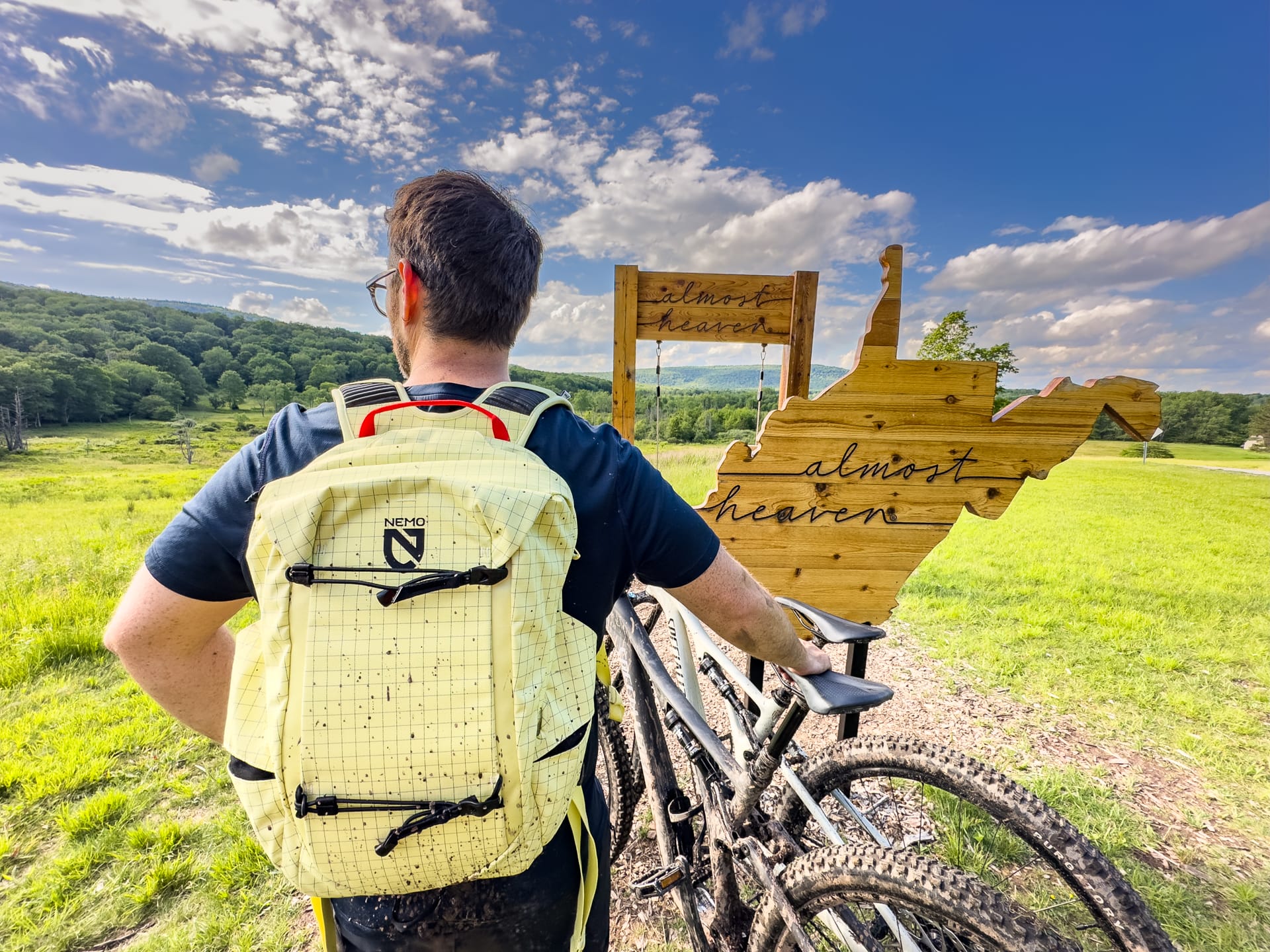
On NEMO’s backpacks, the design team had to find creative ways to eliminate elastic–which is difficult to recycle–but still offer functional water bottle pockets (they succeeded, by the way).
Of course, NEMO isn’t the only brand getting creative: Jack Wolfskin released a circular jacket that can be recycled into other jackets (unfortunately the brand stopped selling to the U.S. recently), Houdini and On both have recyclable items (read this article I wrote for Backpacker about brands making recyclable gear), but it’s still widely not done.
•
Communicating with Customers
Then there’s the difficulty of informing customers that a product can be recycled and how to go about it. Because frankly, most consumers buy what they want or need and that’s the end of their dealings with the company unless they need to return or repair something. So making sure the customer understands how to proceed with recycling their shirt or bag is a monumental task that requires it’s own marketing. Which some brands are doing better than others.
NEMO launched their first circular sleeping bag—the Forte™ Endless Promise®—in 2023. On the bags, which NEMO calls their Endless Promise line (there’s also a backpack, which we’ve tested–watch the video here), there’s a QR code that customers can scan for step-by-step instructions on how to send the gear back at the end of its life. When they do, NEMO gives them a $20 gift card, a small reward for making the extra effort.
The running brand On, on the other hand, operates via a subscription program, which makes more sense for them because people burn through shoes faster than sleeping bags. You pay a monthly fee, then send your worn shoes back for recycling and the brand sends you a fresh pair. They recycle your old ones and the process continues.
•
Is it Worth It?
NEMO doesn’t have a ton of data on whether their recycling program will be successful yet, as sleeping bags tend to last far more than the few years that have passed since they launched the program. That said, “We’re tracking a few things: how many customers register their products, how many eventually come back to us, and whether we can scale this across our full product line. If we can prove this model works—without compromising performance—we’ll call it a success,” Rosenbrien says.
On the other hand, Patagonia tried a recycling send-back program for a while but didn’t find enough customers sent in clothing to be recycled. Houdini Sportswear has a recycling program that allows customers to return worn clothing to Houdini stores and partner retailers, but those storefronts are limited in the U.S.

What Happens to Circular Gear When It’s Recycled?
The options for what a recyclable jacket or pack can be turned into are currently limited. Most synthetic fibers degrade just a little every time they’re recycled, so care must be taken to sustain durability if the plan is to break them down, create new thread out of them, and use that thread to make new clothing or gear. So depending on the brand, it might get turned into clothing or gear used in less technical applications. Or something else entirely.
Rosenbrien explains what happens at NEMO: “Once returned, the sleeping bag is carefully disassembled and its components are sorted into different recycling streams—polyester fabrics, down insulation, and metal hardware like zinc zipper sliders all follow separate paths. The polyester materials are shredded, cleaned, melted, and reformed into pellets, which can be turned into new yarns. That material could be used for textiles, insulation—or maybe even a future NEMO product.”
On, in comparison, takes back their limited line of recyclable shoes, which are then either taken apart and recycled into parts of new shoes or sent to partners who use the materials to craft other products (like picnic tables according to On’s website).
Depending on what it’s made of, clothing might be shredded and turned into home insulation, carpet pad, even upholstery stuffing or melted down and turned into pellets and new thread to be used to make other apparel (synthetics).

Recyclable Gear
There is a limited amount of circular clothing and outdoor gear currently available from sustainability-focused brands. Among them:
- NEMO Endless Promise Line (including sleeping bags and backpacks): These soft and cozy sleeping bags with synthetic or down fills use super soft materials, are high quality, and oh so comfortable. Backpacks are available in several sizes suitable for day hikes and backpacking.
- Houdini Sportswear: Much of this European brand’s apparel is circular. We especially love the Mono Air Houdi and Dunfri Insulated Jacket.
- On: On makes a running shoe–The Cyclon–that’s recyclable, but it does require a pricey subscription. That said, they’ll send you a new pair of circular running shoes every time you send your worn pair back in.
- Paramo: We reviewed the stellar Paramo Evolution Jacket this winter and were not only obsessed instantly, but adore that it’s a circular product.
- Picture Organic Clothing: Many items from Picture, including ski and snowboard jackets and bibs, are totally circular. They’re also primo products and a delight to wear.
Bottom Line
While recycling outdoor clothing, shoes and gear may still be tricky for manufacturers to pull off and nearly impossible for individuals like you and me (unless you purchase a pricey clothing recycling box from TerraCycle), it is possible. And while fabric and component recycling may not be widely available yet, it’s never a bad idea to support brands and choose products that are looking toward the future and what will be possible in a few years.
So choose used gear when you can, don’t over consume, and when you need new outdoor clothing and gear, consider products that are circular and can be recycled at the end of their usable life.