Skip to Content

The 8 Best Sustainable Hiking Shirts Made of Natural Fibers for Synthetic-Free Adventures

If you’re looking to bolster your supply of natural apparel or are in search of clothing that functions as well on the trail as it does in town, these options take sustainability to the next level. We’ve tested them all and these are our very favorite plant fiber hiking shirts that we’ll be wearing time and time again, on trail and off.

Read More about The 8 Best Sustainable Hiking Shirts Made of Natural Fibers for Synthetic-Free Adventures

Here’s How to Recycle Your Empty Backpacking Fuel Canisters

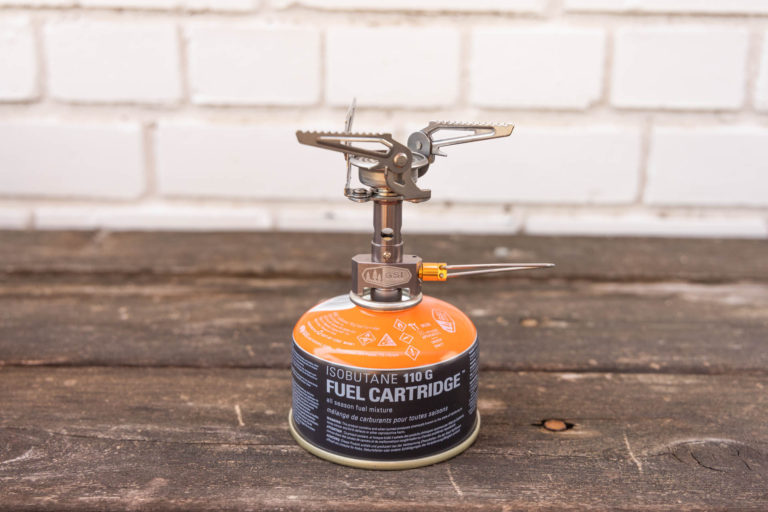
When it comes to preparing meals in the backcountry, backpacking stoves that run on compressed gas–you know, those cylindrical metal canisters filled with fuel–are far and away the most popular option. They’re efficient, convenient, tolerably lightweight, and easy to find at pretty much any outdoor retailer. And while these fuel canisters are made of recyclable materials (steel), recycling them is more nuanced than you might think. Here’s how to recycle your empty backpacking fuel canisters the right way.

Read More about Here’s How to Recycle Your Empty Backpacking Fuel Canisters

Zero Waste Backpacking?! It’s Possible! Here’s How.

Backpacking involves tons of waste. Just think about when you come home from a trip and dump a giant bag of messy trash right in the garbage, appalled by the amount of waste you created over the course of a single weekend. There are the single-serve meals, dozens of individually wrapped snacks, tiny packets of electrolytes…And almost none of it is recyclable, reusable or compostable. That’s a lot of waste.

So I wanted to see if I could do better. Iike, a lot better. And find out if I could spend three days in the backcountry and create absolutely zero waste. Want to see how I managed? Whether it’s even possible? If I’d do it again and what products exist to make it easier? Read on.

Read More about Zero Waste Backpacking?! It’s Possible! Here’s How.

Overlanding: 5 Ways to be a More Sustainable

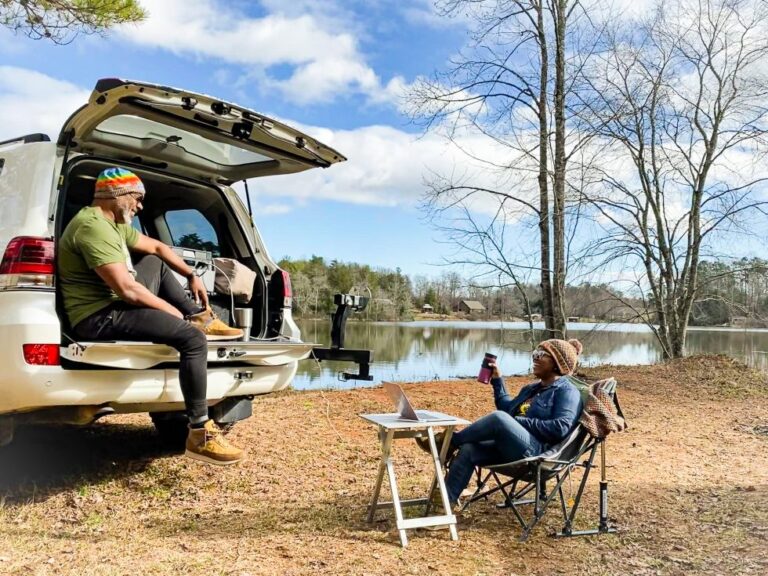
We recently connected with experienced outdoorist Sonya Staples, Co-founder of Staples InTents, to talk about how anyone can get involved in Overlanding (and do it more sustainably). And just in time for their special event, no less: The Gathering, a weekend of outdoor adventure, nature, and skill-building in Colorado designed specifically for black and brown folks, who are frequently underrepresented and excluded from outdoor activities (Aug. 18-22). And since we can totally get behind people and projects that promote equality in the outdoors, we invited Sonya to tell us a bit about her and her husband Nacota, their journey, and how to be a more sustainable overlander. So read on for the 5 easy and useful tips!

Read More about Overlanding: 5 Ways to be a More Sustainable

Packing List: 5 Things to Pack for More Sustainable Travel

When we travel, we tread lightly. We want to leave every place we visit better than we found it whether we’re backpacking, road tripping, visiting national parks, or jetting around the world. And while sustainable travel encompasses lots of different things, from which tours you book to what mode of transportation you use to get there to where you lay your head at night, what you pack can set you up for a more sustainable adventure. So no matter where you’re headed, for business, pleasure, or a bit of both, here are 5 things to pack so you can travel better.

Read More about Packing List: 5 Things to Pack for More Sustainable Travel

What does Circularity Mean and How to Recycle Outdoor Gear?

Circularity. You might have seen it pop up every once in a while on Terradrift, our Instagram page, or over on YouTube. It’s a term we use fairly frequently. But you might not know precisely what it means. Or maybe you have a pretty good idea, but are foggy on a few of the details or aren’t really sure what it has to do with sustainability. So allow us to clear up a few deets regarding what circularity means and what the flaming Brazillian Jiujitsu it has to do with your outdoor clothing and gear.

Read More about What does Circularity Mean and How to Recycle Outdoor Gear?

On is Turning Carbon Emissions into Running Shoes! This is CleanCloud™

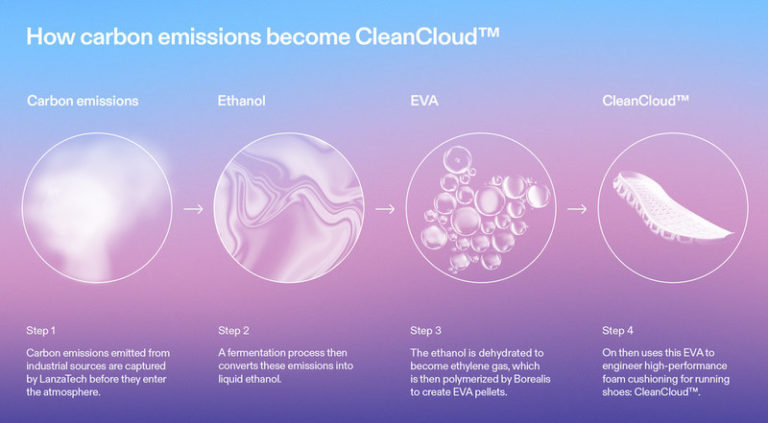
You guys!!! Swiss sports brand On announced a move away from petroleum-based resources by creating a new foam material called CleanCloud™, made using carbon emissions as a raw material. On is the first company in the footwear industry to explore carbon emissions as a primary raw material for a shoe bottom unit, specifically EVA foam, that could also be used in other shoe parts and products in the future. This is some huge sciencey sustainability progress, here! Read this press release to learn how it all works!

Read More about On is Turning Carbon Emissions into Running Shoes! This is CleanCloud™

Are Fire Retardant Tents Bad? An Argument Against FR Treatments

Do you know what’s in your tent? What coatings and chemicals? Whether it’s treated with unsustainable PFC DWR treatments or chemically-dyed fabric? While most tent manufacturers these days put that sort of info front and center, there’s one thing not as many manufacturers are talking to consumers about: fire retardant tents.

Read More about Are Fire Retardant Tents Bad? An Argument Against FR Treatments

Undyed Outdoor Gear: Is White Gear More Sustainable?

We’ve noticed a trend taking root recently. Maybe you have, too: Stark white gear. White sleeping bags and tents and backpacks and more. But if our mothers taught us anything, it’s that white gets filthy, and fast, right? And outdoor activities certainly aren’t free from filth. So why are gear manufacturers ignoring this fact and starting to offer stark white, undyed outdoor gear that will definitely get smudged and sullied their first time out? Because they respect the planet, that’s why.

Read More about Undyed Outdoor Gear: Is White Gear More Sustainable?