Desert Hiking 101: Don’t Forget These 5 Things on Your Next Desert Hike!

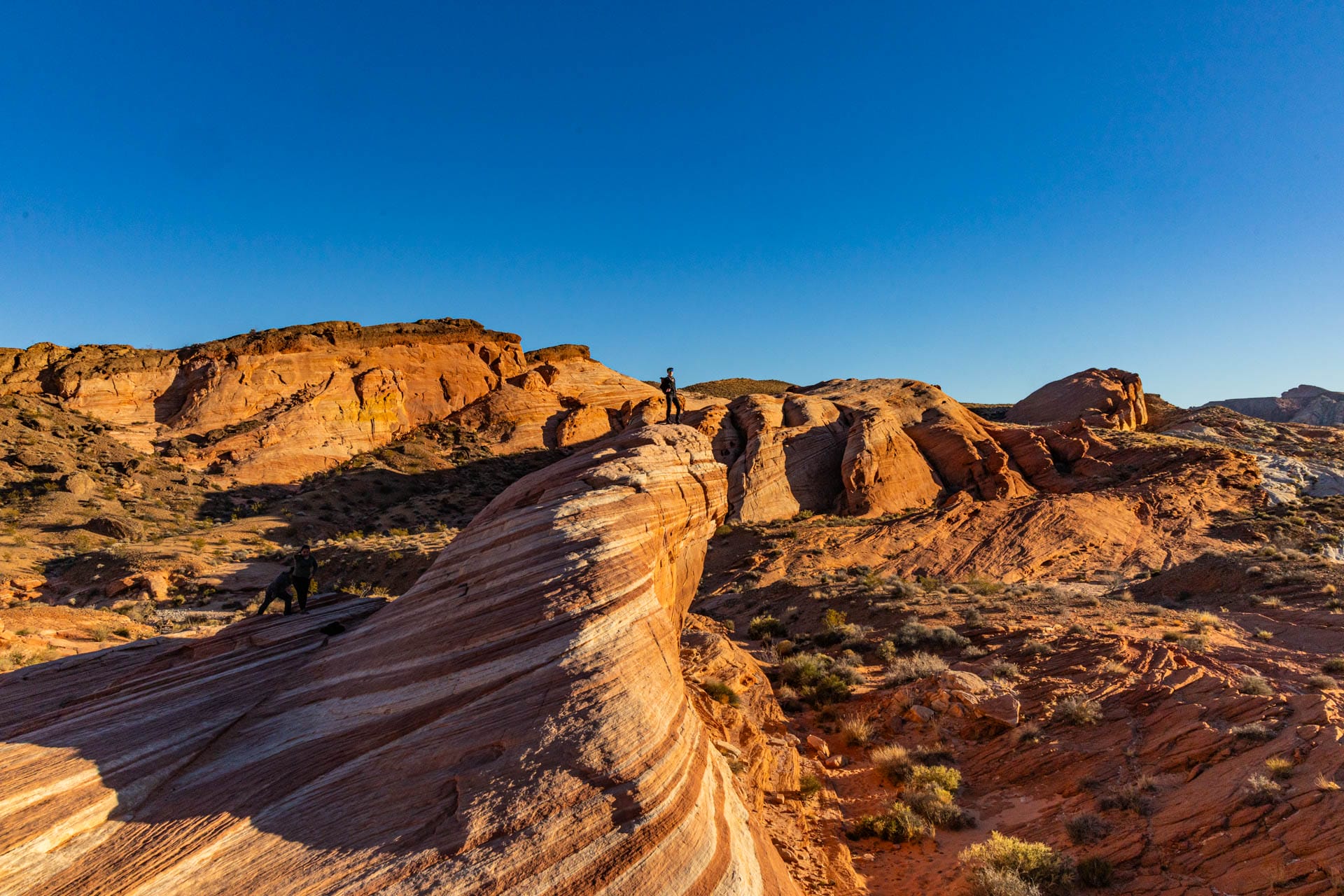
We love hiking. And mountain biking. And occasionally trail running. Also, we live in the desert southwest. Technically in the Great Basin region of Northern Utah, but in the desert non the less. In fact, Utah is the second driest state in the country! And part of why we chose to live here was the proximity to proper desert: canyons, sand dunes, red rocks, you name it. And while we hiked in the desert plenty before moving to it (Death Valley, Utah, Arizona, West Texas, Las Vegas, you name it), there’s much we learned about what specifically is required when hoofing it through dry, rocky, arid landscapes that’s maybe not as vital elsewhere.
So if you’re planning your first trip or your 10th to explore the American Southwest on a desert hiking trip and you want to make it a more enjoyable, comfortable, safe experience, make sure to pack these five things.
5 Desert Hiking Essentials: What to Bring When Hiking in the Desert

Big ‘Ol Sunglasses
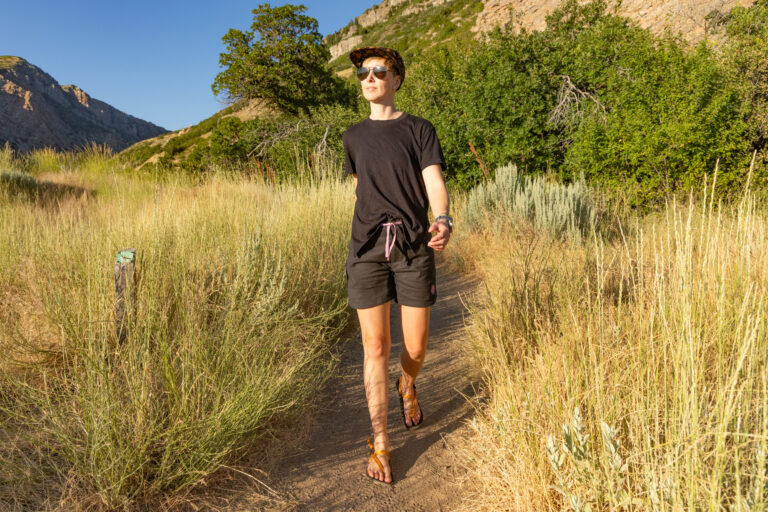
Telling you to bring sunglasses to the desert may seem like a no-brainer, but hear me out: you’re gonna want to bring the biggest pair you have. And make ’em dark. Why? Because in the southwest, there’s often very little shade. Meaning you not only have full sun shining in your eyes all day long, but it’s also bouncing off of rock and soil from every direction, so your eyes are getting a full multi-directional assault.
To prevent eye strain, protect yourself from conditions like surfer’s eye, and actually enjoy the views around you without squinting or getting a headache, grab a large pair of sunnies. We love a glacier style like the Smith Venture or a big wrap-around pair like the Vallon Watchtower.
Pro tip: photochromic lenses (like Transitions lenses) won’t cut it. They don’t get dark enough to even put a dent in the glare.
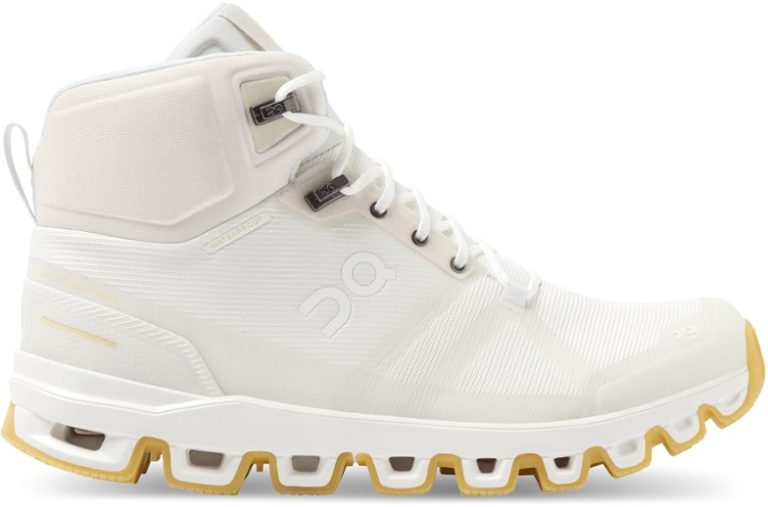
Breathable Hiking Shoes
One thing you don’t need in the desert (unless visiting in the winter): burly waterproof hiking boots. Don’t do that to yourself. Chances are it’s going to be too hot for that nonsense and waterproof boots don’t breathe. Plus, it’s unlikely to rain in most desert locations. What you’re most likely to encounter is creek crossings or trails that ARE a creek or go through pools in depressions in canyons. For that, when water is deeper than the tops of your boots, waterproof shoes will do you no good.
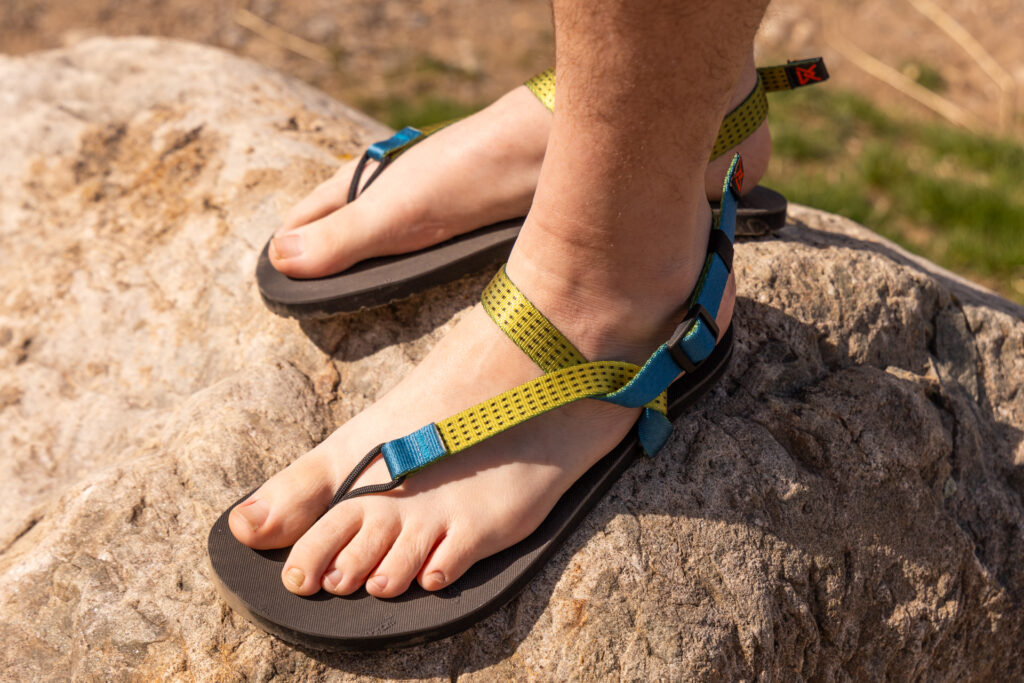
Instead, hike in a solid pair of hiking sandals or breathable quick-dry footwear. There’s very little humidity in the desert, so gear dries fast. Plus, your feet will be way more comfortable.

A Durable Backpack
We love ultralight gear here at Terradrift. In fact, it’s about all we carry. But “ultralight” is occasionally synonymous with “delicate.” Whatever your carry preference, though, if you’re doing any amount of hiking in the southwest or desert environments, opt for a backpack or hip pack made of high quality and more robust materials.
That way, you won’t need to baby your pack if you’re sliding down highly abrasive slrickrock, drag it through sand, or have to toss it down or through rocks ahead of you when you won’t fit through a slot canyon with it on.
Durable Shorts or Pants
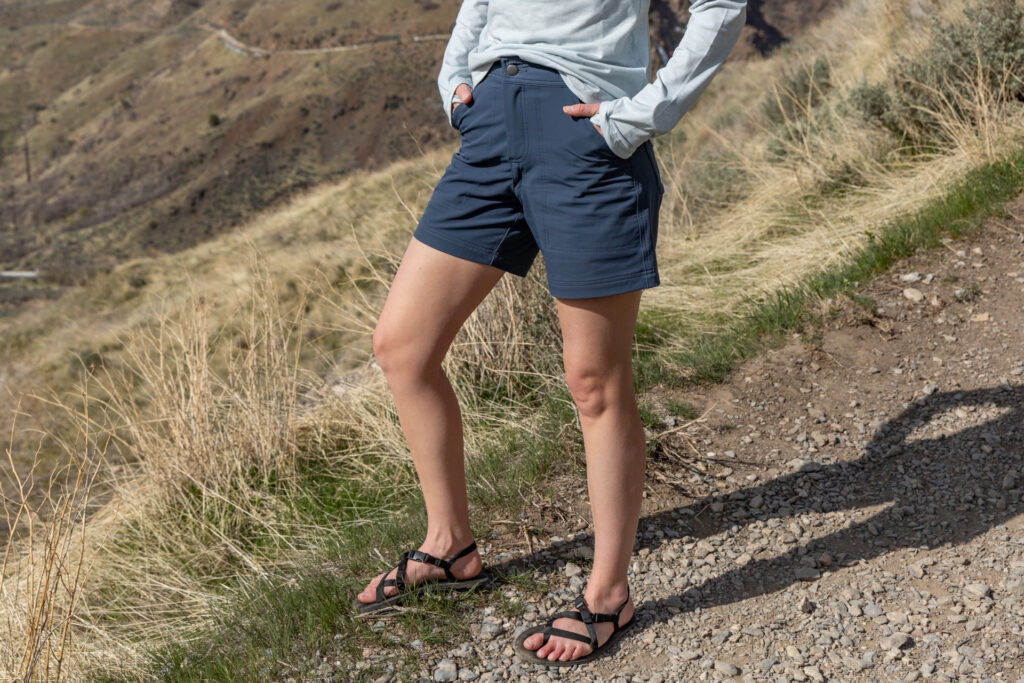
Wondering what to wear for a desert hike? Well, in addition to carrying a backpack that can stand up to the abuse red rock and sand can dole out, durable clothing is a must, too, especially bottoms like shorts or pants. Sure, if you’re canyoneering or squeezing through slot canyons, a shirt that won’t tear or snag on rough surfaces is a plus, but every time you sit, kneel or scoot down a steep incline, your shorts will be taking a beating.
You can check out some of our favorite hiking shorts for men and women, but choose ones made of more durable materials like heavy organic cotton or robust recycled nylon. Lightweight polyester like the kind you may see in running shorts or ultralight apparel won’t last as long in the desert. In fact, we’ve seen more delicate fabrics get torn to shreds after just one slide down slickrock. Don’t forget a sunshirt to protect your skin!

Plenty of Water and Electrolytes
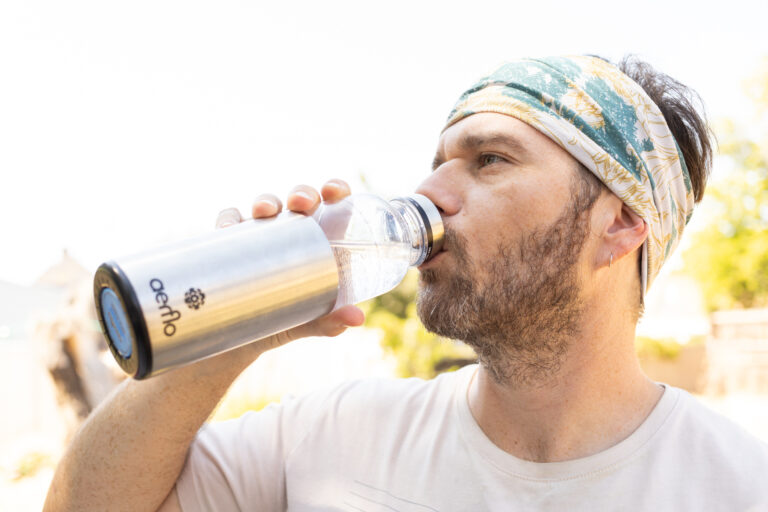
We know, you’ve heard this one before. And if you live at a higher altitude or in the southwest, you get it, so feel free to skip this one. But for everybody else: Bring more water than you think you need (and electrolytes) and drink often. (Read about how you might be hydrating inefficiently here.)
If you’re not used to hiking, biking or even just existing in dry climates and/or at higher altitude, you may not realize how much you’re sweating (because it evaporates immediately), how hard your body is working in a lower concentration of oxygen (at altitude), and how much more water you need. So bring plenty of bottles and/or hydration reservoirs and sip often. Like, really often. If you’re going to be out there for more than an hour, drink electrolytes, too (check out our favorite electrolytes here, which are packable and made of better stuff).
Get an idea of how much you should be drinking with our hydration calculator.
Bonus: An Extra Layer
In the desert, especially in the summer, you may be tempted to think it’s just going to be hot all the time and thus leave the extra layers at home. That would be a mistake. Partly because due to ultra low humidity, nighttime can be quite a bit chillier than daytime temps. So if you’re out past sunset, bring a fleece or windbreaker, just in case.
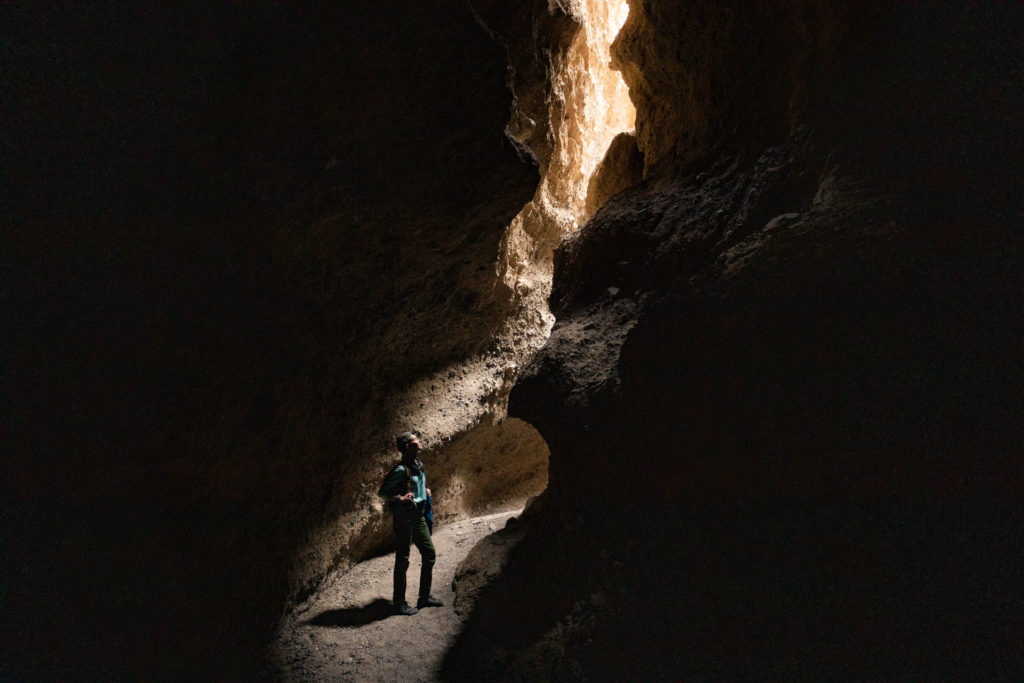
But also because during any season the sun can be warm, but if you’re hiking into canyons or slots where the sun barely or never touches the trail, it can be significantly cooler (by 10-20 degrees) than on sunnier sections. Don’t risk it; just bring a spare layer.
Bottom Line
Hiking in the desert and the American Southwest is unlike hiking anywhere else. Naturally, you should still bring the 10 Essentials and Leave No Trace Principles always apply, but because of all the dry landscapes, rough rock, low humidity and changing temps, it’s important to bring the right gear for the job. Just don’t forget a sun shirt, hat and sunscreen to protect your skin! Then wander on with confidence!

![REI 4th of July Sale: The 11 Best Deals On Outdoor Gear [2025]](https://terradrift.com/wp-content/uploads/2025/06/the-11-best-REI-4th-of-july-sale-deals-768x432.jpg)