Here’s How to Recycle Your Empty Backpacking Fuel Canisters
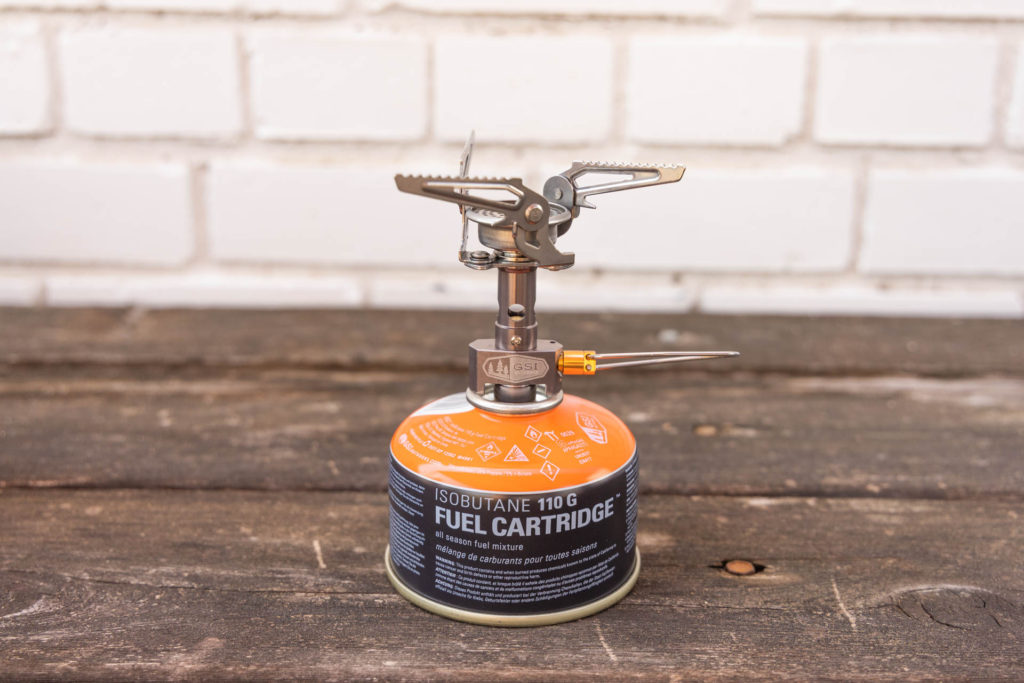
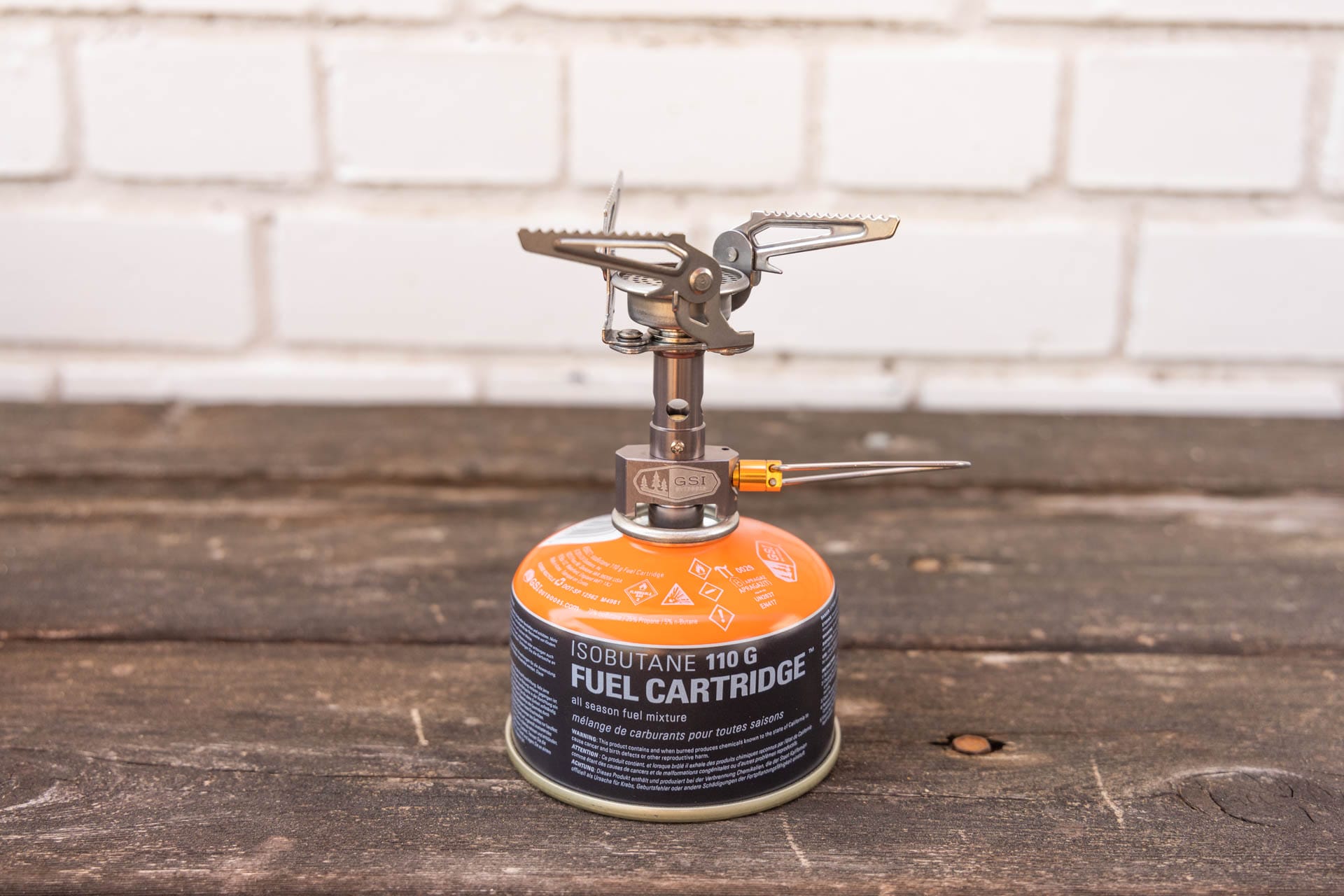
When it comes to preparing meals in the backcountry, backpacking stoves that run on compressed gas–you know, those cylindrical metal canisters filled with fuel–are far and away the most popular option. They’re efficient, convenient, tolerably lightweight, and easy to find at pretty much any outdoor retailer. And while these fuel canisters are made of recyclable materials (steel), recycling them is more nuanced than you might think. Here’s how to recycle your empty backpacking fuel canisters the right way.
Looking for sustainability info on other fuel sources? Like camp stove propane canisters? Read this article about more eco-friendly, refillable one-pound propane tanks.
What is Canister Fuel?
Canister fuel, also known as backpacking stove fuel or IsoPro fuel (MSR’s brand name for it), is a type of compressed gas composed of a mix of isopropane and butane in a pressurized metal canister that makes it possible for the fuel to be liquid inside and a gas or vapor when released.
It’s one of the easiest fuels to use in most conditions (read our comparison of types of backpacking stove fuel here) and the gold standard for many backpackers and outdoorists.
How to Recycle An Empty Backpacking Fuel Canister
But because gas is under pressure inside that steel canister, it’s extremely flammable and potentially explosive. For that reason (and the fact that they contain gas that can be toxic in enclosed environments), many recycling centers won’t recycle these canisters when dropped off as-is for the safety of workers and machinery. So before you toss it in your home recycle bin, take a few steps to ensure it can be safely and appropriately recycled.

Save Leftover Fuel
If there’s still some fuel in one or two canisters but not enough to make it worth carrying the whole thing into the wilderness, fret not! There are a number of devices that can help you combine leftover fuel from one mostly empty canister to another! Brilliant, right?
FlipFuel makes backpacking gadgets) that’s perfect for stashing at home and combining canisters before your next trip. If you’re going to be on the trail for an extended period–say when thru hiking–the Alpenflow is made of ultralight plastic and weighs so little you won’t even notice it’s in your bag but lets you combine fuel from mostly empty canisters you might find in hiker boxes in popular trail towns.
Using these tools is made easier if you can get one canister colder/warmer than the other, but they’re an excellent way to save money and reduce the amount of canisters you use or carry since you’ll be using up nearly every last drop.
Important safety note: don’t overfill canisters. Only transfer fuel when both canisters are 1/4 full or less, just in case. Do not exceed 80% full and follow manufacturer instructions to the letter when transferring fuel.

Empty the Canister Completely + Puncture
Next, whether or not you used a fuel transfer device to get the bulk of the gas into a usable vessel, before you recycle the empty canister, empty it completely of fuel.
The easiest way to tap an IsoPro fuel canister dry is to head outside and connect your backpacking stove, turn on the gas, light the stove, and wait for the flame to go out, which indicates the canister has been depleted.
If that’s not an option, head outdoors (this is an important step) and use a tool like a gas puncture tool or other blunt, narrow object to depress the valve in the middle of the canister opening. Keep it depressed until you no longer hear gas hissing out and don’t smell gas.
Then, using that same puncture tool or a flathead screwdriver and a hammer (to help tap it in), puncture several holes around the body of the canister. This will ensure all gas has been released and signal to recycling plants that it’s safe to process and won’t explode in the process.
Recycle Empty Canisters
After you’ve vented and punctured your fuel canister, know that not every recycling program automatically takes these types of steel canisters. So before you toss them in your curbside bin, check with your local municipality to make sure they won’t just be diverted to a landfill.
If your city accepts them, huzzah! If not, check to see if you can take them to a local hazardous waste facility, scrap recycling center or specially recycling center. Use Earth911 to find a location near you that will take them.

Bottom Line
Emptying and recycling fuel canisters may seem intimidating if you’ve never done it before, but it’s easy! And with the right tools you can even save leftover fuel. Whatever you do, just don’t throw empty fuel canisters in the trash to rust and rot in a landfill over 100 years; let the steel be recycled into something new, thus reducing the amount of virgin metal that needs created. Happy recycling (and backpacking)! And wander on.
Looking for more informational articles about sustainability in the outdoors? Read about how to go zero-waste backpacking, sustainability terms you need to know, and why circular gear is important.