What to Pack for a Fall Canoe Camping Trip

For three days, we didn’t see a single other person on or around the wild and scenic Allagash Wilderness Waterway in Maine. Seven of us paired up in canoes (our guide, Dave, from Canoe the Wild paddled solo), all loaded with camping gear for a few nights, the vast expanse of wilderness flanking both sides of the river.
This trip was a first for me: While I’ve completed plenty of overnight kayak camping trips before, including on the Buffalo National River in Arkansas, I’d never tripped via canoe, and never in cooler seasons when staying dry is top priority to prevent hypothermia.
So I asked plenty of questions beforehand to make sure my gear was dialed and, fortunately, had Dave to provide a few of the necessities it’s hard to fly with and Ryan Lilly, the senior manager of content marketing at Old Town Watercraft & Jetboil, to offer tips and advice.
He knows kayaks and canoes, but also paddling in cool weather, which there’s plenty of near his home in the Maine Highlands. “By nature of where I live and what I do for a living, I’m in watercraft (canoes and kayaks) all the time and year-round. I’ve used canoes my whole life – it’s a primary on-water craft for most Mainers from a young age,” Lilly explains.
What’s more, he adds, “Fall is an incredible time to be out on the water. Aside from lighter boat and human traffic, the colors are popping on the trees (depending on where you live), and the bugs are gone–its my absolute favorite time to be on the water.”
In short, he knows what he’s doing and how to plan a more enjoyable paddle trip no matter the weather. So now that I have a successful shoulder season canoe camping trip under my belt, here’s what to wear, how to prepare, and some tips and tricks for an enjoyable trip, courtesy of Lilly and yours truly.
Pro tip: The gear required for canoe camping is the same as for kayak camping; you’ll just have to pack smarter and choose more compact gear if paddling in a kayak.

What to Pack for a Canoe Camping Trip
Wondering what to bring canoe camping in shoulder season? I’ve got good news: Much of the gear required for a fall paddle trip will look similar to gear required for any other paddle trip: dry bags, a personal floatation device (aka: PFD or life jacket), sunscreen, etc. But in the fall, spring, or any other time of year when the temps are cooler, the water is cold (how cold is too cold to canoe is up to you), and you may be paddling through wet weather for a few days, there are a few more pieces of gear that come in handy (or are downright necessary).

Camping Gear
Naturally, if you’re planning a multi-day kayak or canoe camping trip, you’ll need all the usual camping necessities. Basically everything you need for backpacking or camping.
- Tent
- Sleeping bag (make sure you know how to select one with the appropriate temperature rating)
- Sleeping pad (choose the right R-value for the overnight lows)
- Pillow
- Stove, cookware, and mess kit + utensils

Clothing
The key to doing any activity outdoors when it’s cool outside is to dress in layers. Bring moisture-wicking and quick drying articles of clothing like synthetics (see what materials dry fastest in this article) and layer lightweight layers instead of bringing just a couple bulky, warm layers. This will provide more versatility through changing temps and as you work up a sweat paddling or sit around the fire in the evening.
- Rain jacket
- Rain pants
- Synthetic cap (to keep sun and rain out of your eyes)
- Long sleeve sun shirt
- Active midlayer (we love an Alpha Direct Hoodie)
- Insulated jacket
- Liner gloves + Waterproof rain mitts (or durable dish gloves)
- Multiple pairs of synthetic socks
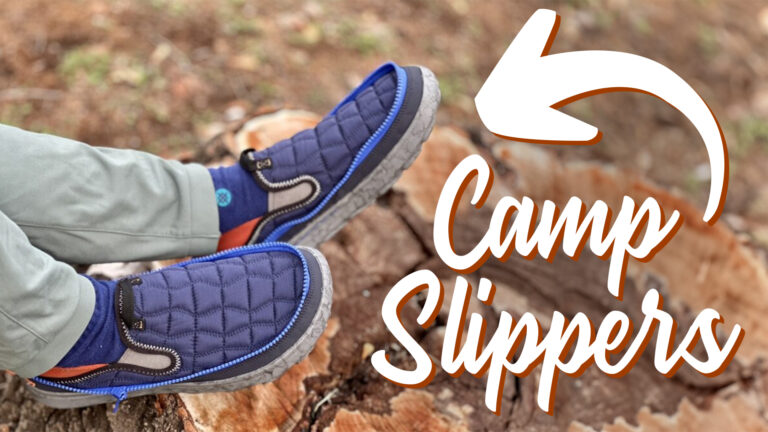
- Camp slippers
- Paddle-appropriate shoes
A note on shoes: The footwear you choose largely depends on your trip plans. If you’re mostly going to be sitting in a boat and walking around camp, a pair of high-rise rain boots will keep your feet dry and protected from the wind even if you have to hop out of the boat to pull it through shallow water. However, if you have to portage much (carry the boat over land to get around dams or obstructions), you may prefer more stable, comfortable shoes with some traction. If that’s the case, opt for a pair that drain well (like from Astral) or dry fast (I wore Vivobarefoot Magna Trail WR SG boots). Lilly prefers a quality pair of neoprene paddling shoes/boots, which might be worth the investment if you paddle frequently in the cold.

Dry Bags and Gear
On any paddle camping trip, dry bags are essential. Even if you’re confident you won’t tip your boat, sudden rain showers, paddle splashes, puddly boat bottoms and more can make your gear soggy and unusable. So plan to stash literally everything that’s not already waterproof into a water-tight bag or box.
- A PFD (don’t even think about paddling without a life jacket!)
- Waterproof sling or hip pack like a Yeti Sidekick Dry Waterproof Gear Case withe Sideclick Strap or Nite Ize RunOff Waterproof Hip Pack (it’s nice to carry essentials like lip balm, phones and sunscreen close at hand)
- Waterproof quick-grab bag (ones like the Watershed Goforth 10.5L or 13L Sea to Summit Big River Series are easy to get into, which makes them a good choice for cameras, extra layers, etc.)
- Roll-top dry bags (What size dry bags are good for canoe camping? I used several sizes including the bags above and a 115L for bulky camping gear, clothing, etc.)
- Waterproof phone case like the Otterbox Frē
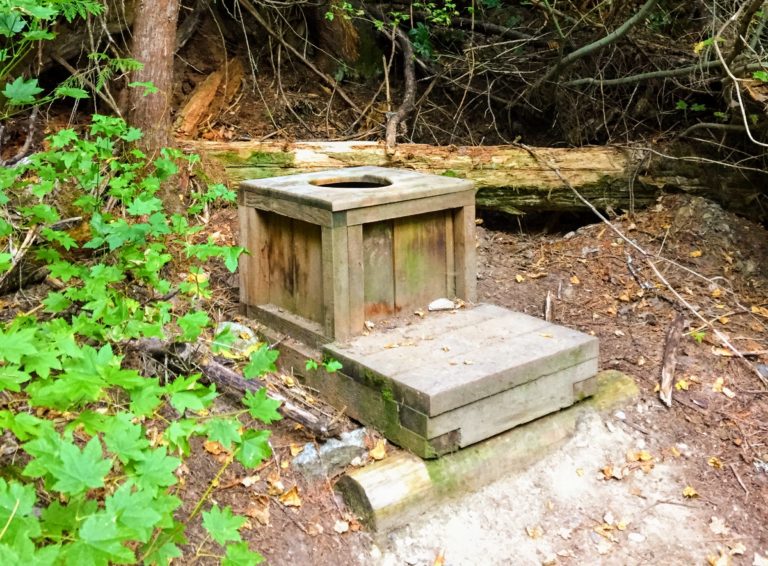
- Bathroom kit (some campgrounds may have drop toilets, but it’s always a good idea to bring something like a Pact Outdoor Ultralight Kit, just in case)

More Tips for Fall Paddle Trips
But what you need for canoe camping is just the start. Here are a few more tips and things to pack to make every chilly trip more enjoyable.
- Keep your feet dry: Do what you can to keep your feet dry, but always be prepared with a backup plan when (not if) your socks get soggy. Bring extra socks to change into at camp and pack either zip-top bags or empty bread bags to put dry socked feet into (bagged feet then go into wet shoes) around camp if you only have one pair of shoes.
- Bring a water bottle: While any water bottle will do, I highly recommend one with a lid that covers the mouthpiece/drinking area completely. You don’t want to end up with Giardia just because you got some river water on the rim of your bottle.
- Pack safety gear: That includes an emergency throw rope and comprehensive first aid kit with a whistle (Lilly always includes the latter).
- Don’t forget the binoculars: Great for spotting wildlife or riverside signage in the distance, a good pair of binocs aren’t strictly necessary but can be handy. We like Nocs for how rugged they are and Bushnell for a higher quality pair.
- Pack a tarp: If the forecast calls for rain or excessive sun, a tarp can be a handy piece of kit to have on board. It could mean more time spent sitting enjoy the views and the company of fellow paddlers and less time hiding in your tent.

Bottom Line
Canoe camping in Maine is a treat year-round, but I think I have to agree with Ryan on this one: Fall really is a magical time to be out on the water. Just make sure you pack season-specific gear, stay dry at all costs, and enjoy the journey (and the wildlife). Wander on.
Check out These Articles Next:
A Folding Origami Kayak?! Yup. This is the Oru Beach LT
Kayak vs SUP: And is the Isle Switch Compact The Best of Both Worlds?
Paddle & Pack: Kayaking and Backpacking the Buffalo River Trail in Arkansas
THIS is the Best Car Camping Setup for When You Want to Sleep in Your Car