You’re Doing it Wrong: How Not to Be THAT GUY when Dispersed Camping (10 Camping Etiquette Tips)

When it comes to camping etiquette, particularly when dispersed camping, it all comes down to one guiding principle: Don’t be a butthole. A little consideration for others goes a long way when you’re far from civilization. So whether you’re planning your first dispersed camping trip or your 30th, here’s how to conduct yourself in a civilized way, even when you’re far from civilization.
What is Dispersed Camping?
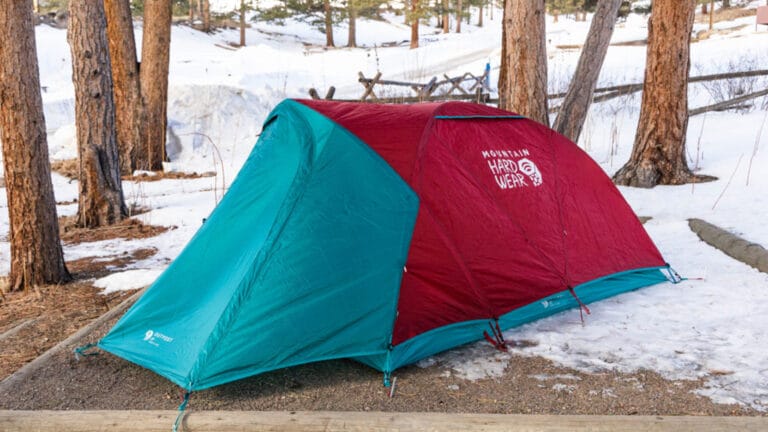
First things first: Dispersed camping generally involves camping on public land like in National Forests or Bureau of Land Management (BLM) land that’s free, undeveloped (no paved roads, electric hookups or designated campsites), and often without facilities like toilets or running water (but not always). It’s different from developed frontcountry campsites that often have designated spots with amenities and clear boundaries.
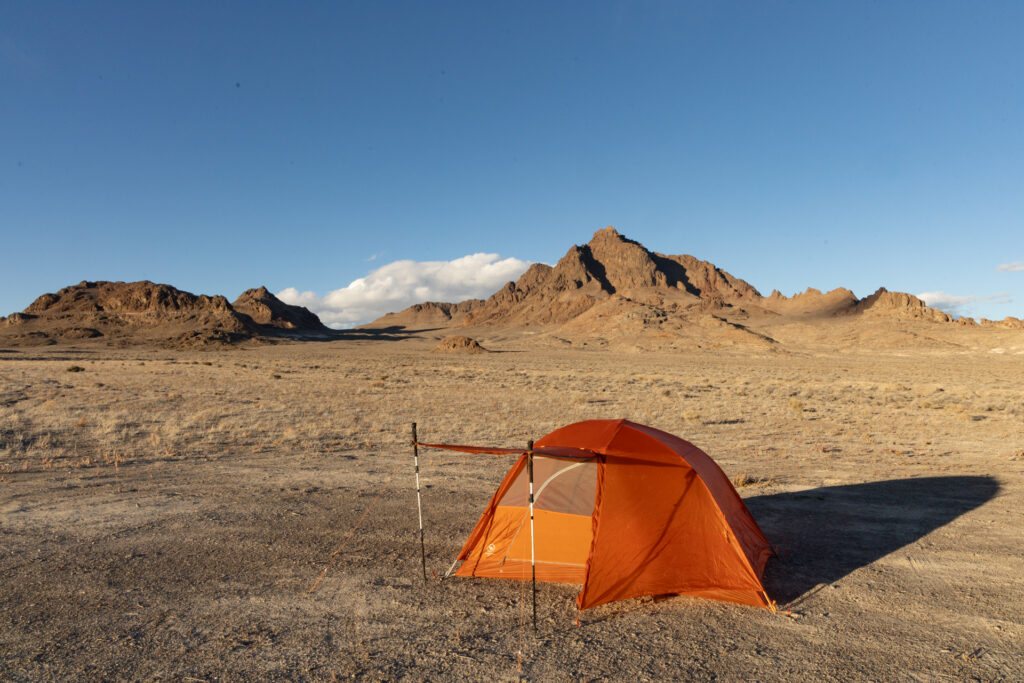
These type of camping areas can be located near a main road or miles from it, accessible by a sedan or just high-clearance 4WD vehicles (often via dirt roads or forest service roads), in the middle of nowhere or within spitting distance of civilization. But they also describe areas in some backcountry regions where there aren’t any designated sites, but you can just pitch a tent anywhere (within limits).
We’ve stayed at a wide variety of dispersed sites all over the country and no two are exactly the same. Types of sites and availability of them varies drastically from the east coast to the west (there’s far more BLM land out west).
- Locate sites by asking local ranger districts or by checking websites like campendium.com or freecampsites.net.
Ready to try it? The below tips for not being a terrible dispersed camping neighbor apply to both backcountry and vehicle-accessible dispersed sites, though some will obviously be geared toward car campers. So don’t be a butthole and follow dispersed camping etiquette.
How Not to Be THAT GUY when Dispersed Camping
Follow these camp etiquette guidelines to be an ideal neighbor and have a great time when dispersed camping.
- Dim your headlights: If you’re arriving after dark, for the love of all things good and holy, dim your freakin’ headlights! Yes, you’ll have to drive slower, but you’ll be everyone’s worst enemy the minute you arrive if you blind every single person you pass on the way to your site. RV’s have windows and tents aren’t fully opaque, after all.
- Make space: If there’s plenty of room to spread out at the dispersed camping area, please do. Even if you think the best spot is the one right next to someone else, they’re gonna be pissed and neither of you will have any privacy if you park right next to them when there are a dozen other spots available. Spread out.
- Leave the flood light at home: We get it, dispersed camping often means you’re far from any electrified artificial light. But that doesn’t mean you need to pack half a dozen flood lights to light your spot. On the contrary, bring smaller, dimmer, more neighbor- and dark-sky-friendly lights instead and keep them pointed downward, not at your neighbors (and turn them off at 10:00 or 100:00).
- Respect the night sky: Likewise, after the sun goes down, limit the amount of artificial white light. Use red light instead, which preserves everyone’s night vision for stargazing and doesn’t disrupt nocturnal animals, either.
- Keep the music (and noise) to a minimum: We’ve all gone camping with friends and laughed long into the night, but that’s disruptive to nearby campers. So if you’re in close proximity to other folks, keep the music turned down low (always) and respect quiet hours (usually between 9:00pm to 7:00am). This goes for generators and electric mattress pumps, too.
- Be friendly: While plenty of folks go dispersed camping to get away from it all, it’s OK to wave and say hello to fellow campers. Be nice. Say hi. Then give them their space. Offer assistance if it looks like they need it. Be a good neighbor.
- Make your presence known when going to the bathroom outdoors: Sometimes there’s no outhouse or bathroom when dispersed camping, which means you’ll be digging a cathole, using a wag bag, or peeing in the woods. If you’re in a populated area, whether you’re actively going pee or searching for a quiet spot, whistle or hum so people know you’re there. It’s less likely you’ll make eye contact with a fellow camper while you’re squatting over a hole.
- Don’t walk through other campsites: If a site is occupied, don’t walk through someone else’s space just because it’s the shortest route to the creek/toilet/water spigot. Give other tents and campers a wide berth. You wouldn’t tromp through someone’s backyard at home would you?
- Keep your dog under control: Your dog might be the best boy, but keep it on a leash at all times, just in case. You never know what might provoke it and some people are afraid of dogs, so it’s considerate to keep it under control. If your pup is a barker, leave it at home. Even animal lovers turn into dog haters when barking keeps them up all night.
- Leave it better than you found it: You’ve heard of Leave No Trace. Follow principles and absolutely don’t leave trash behind for someone else to clean up, including half-burned items in a fire pit.

Bottom Line
Camping etiquette isn’t hard. It’s simply about considering others. We’ve all made mistakes (who hasn’t laughed with friends long into the evening just to look at their watch and see it’s midnight?), but remember these guidelines and everybody can have an enjoyable experience outdoors. Just don’t forget the ear plugs, just in case. Wander on.