Plan the Perfect Southwest Montana Winter Getaway: Skiing, Snowshoeing and Hidden Gems

If you know, you know: Montana is brimming with outdoor adventure. From skiing at Big Sky to visiting Glacier National Park to river boarding in Missoula, Big Sky Country has a lot going on when it comes to playing outside. But one corner of the state often gets overlooked by folks visiting the state: the Southwest corner.
Which is unfortunate, because it has beautiful landscapes, tiny ski resorts, expansive cross country ski trails, hot springs and so much more. And in the winter, it’s as chill as can be in the very best way. We recently spent a long weekend in the area (spanning from Dillon to Chief Joseph Pass) and loved it so much we’d go back in a heartbeat. Here’s what to get up to while you’re there.
Full disclosure: this trip is neither impressively upscale or modern and shiny. It’s for folks who love vintage ski lifts, long drives through nothingness, big views of snowy mountains, and don’t mind algae on the bottom of their hot springs. It’s an affordable, rustic, warm and welcoming region that’s as inviting as it is removed.

Dillon, Montana
Start in Dillon, MT where you should definitely relax, enjoy the small town vibes, take a stroll on the Riverwalk, and enjoy a night or two in the historic Andrus Hotel. It’s old, yet modernly furnished, comfy and inviting. Plus it’s on the same historic street as a Patagonia outlet, Sweetwater Coffee, and The Bookstore. Make sure to stock up on supplies, snacks and groceries while you’re in town because there are no major grocery stores or outfitters once you leave. Especially if you have dietary restrictions, pack the car with everything you need to prepare meals and book a stay at an Airbnb with a fridge and full kitchen if you want to stay farther west for the bulk of your trip so you’re not constantly driving back and forth to Dillon.

Bannack State Park
Accessible from Dillon or on your way farther west, Bannack State Park is a cool old ghost town that’s been extremely well preserved. You can even walk into many of the buildings, which makes it extra interesting! There’s tons of history here, as it was one of the state’s first notable outposts in the county, and booklets that explain the stories of many of the structures are available to borrow for free so visitors can read up on what makes the ghost town unique–including local lore. It’s only $8 per vehicle to visit the park and is worth wandering around for an hour or two.
Maverick Mountain Resort
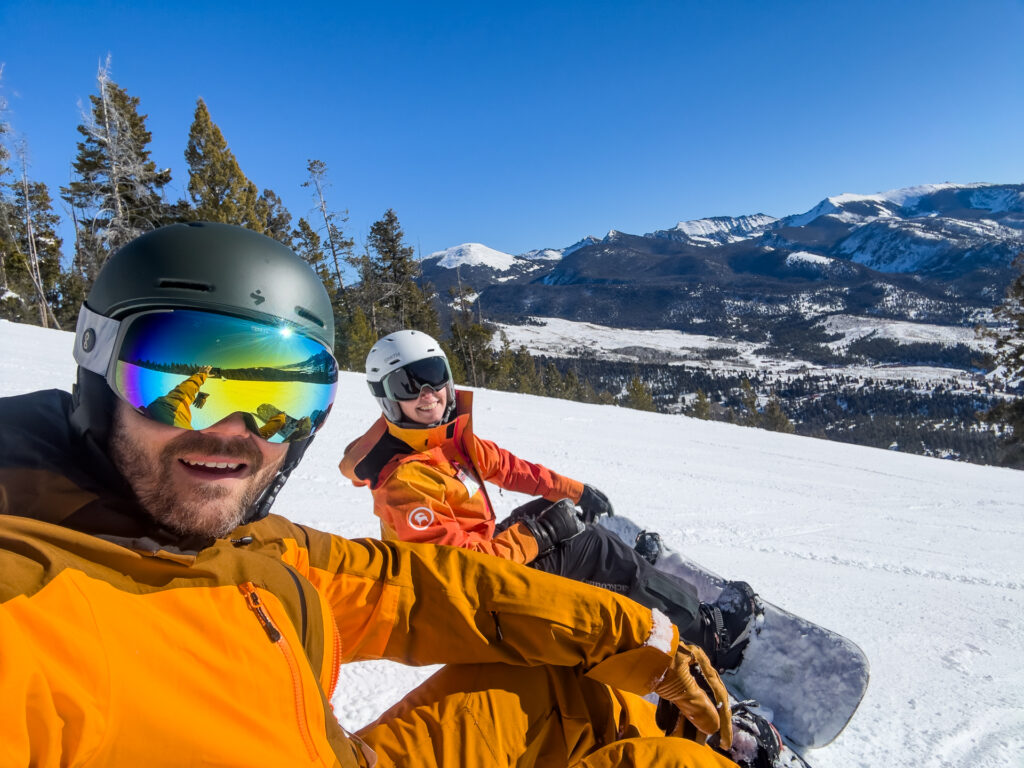
We love a “local’s” ski resort. They’re usually small, quirky, uncrowded, filled with interesting characters, have cool histories, and are often run and supported by long-time residents. Local business FTW! Maverick in Polaris, MT is no exception. And while we haven’t visited tons of small local resorts in our limited experience as new snowboarders, this one is going to be hard to top.
For starters, there’s one terrifyingly exciting ancient chair lift (no lap bar, two seats, one center post to hang onto for dear life) that whisks you to the top of the mountain where a surprising number of impressively long top-to-bottom runs start. There are green, blue and black options and the views of the valley and surrounding mountains are delightful.
Staff is helpful and friendly, too, and a very Americana menu and bar is available inside the lodge, which we were delighted to note, featured floor-to-ceiling carpet in many of the rooms. Clearly the space hasn’t been updated for decades and we loved the classic charm. Bonus: a lift ticket is max $54. They’re only open Thursday-Sunday.
Where to Stay: Rental Unit
If Elkhorn Hot Springs and Jackson Hot Springs are booked up or not quite your style, Airbnb or VRBO are your best bet for finding a cozy place to stay. Search in town like Polaris, Jackson or Wisdom, MT. In the winter, we can’t recommend a stay with a cozy fireplace highly enough! (We were obsessed with this one, which is perfect for a group of family or friends.)

Elkhorn Hot Springs
Located a few miles up the mountain road from Maverick is Elkhorn Hot Springs. You can book a stay here in the lodge or cabins (we didn’t this time) or you can visit just for the lodge restaurant (not the best option for dietary restrictions), the miles of trails (more on that below) or the rustic hot springs, which we highly recommend.
Having only seen about one photo of the hot springs, I was delighted by the classic simplicity of the space. There are two large hot pools outside for swimming or soaking and one inside that’s a sauna-pool-combo that’s piping hot. The cement walls are rough, there’s algae on the floors of the pools, and it’s the most perfect, chill, uncrowded, unpretentious and enjoyable hot springs I’ve ever experienced. And I’ve been to some bougie hot springs (looking at you, Iron Mountain). The locals get it.
Towels are available to rent, snacks and beverages (including beer and cider) are available to purchase, and entrance only costs $7 if you go the same day you ski or snowboard at Maverick (it’s only $10 if you didn’t). Those are hot springs prices we can get behind. Bonus: you still feel like you’re in a natural, outdoorsy setting as you soak.

Elkhorn Trails: Snowshoe or Cross Country Ski
But there’s more to do than soak in the forest surrounding the hot springs. Miles of trails are open for snowmobiling and snowshoeing or nordic skiing in the winter. And access is free! Hike or snowshoe up to Grasshopper point or link several nordic trail loops together for a cross country ski experience you won’t soon forget!
Just make sure you have a map of the trails (find a rudimentary map here) and then several good digital topographic maps downloaded because mileage isn’t listed on the generic map or online anywhere we could find and trails aren’t always extremely well-marked (mainly at intersections). So it’s important to keep track of where you are and be able to locate where you are on the map based on topo lines. The snowmobile/snowshoe trails are wider and much easier to follow in most cases.
But once you get out there, the views are beautiful, the challenge is exquisite, and time alone on uncrowded snowy trails is guaranteed, even on weekends (less so on the snowmobile trails). Bring all your own gear because there are no rentals available, pack the 10 essentials and plenty of snacks, and have fun out there! Ski trails are un-groomed, but are not located in avalanche prone areas, so yay!

Chief Joesph Pass XC Ski Trails
If you prefer expertly groomed cross country ski trails, head to Chief Joseph Pass Ski Trails. Located across the valley from another local-favorite ski resort (Lost Trail), there are miles of looping and interconnected, wide, groomed trails, including part of the Continental Divide Trail.
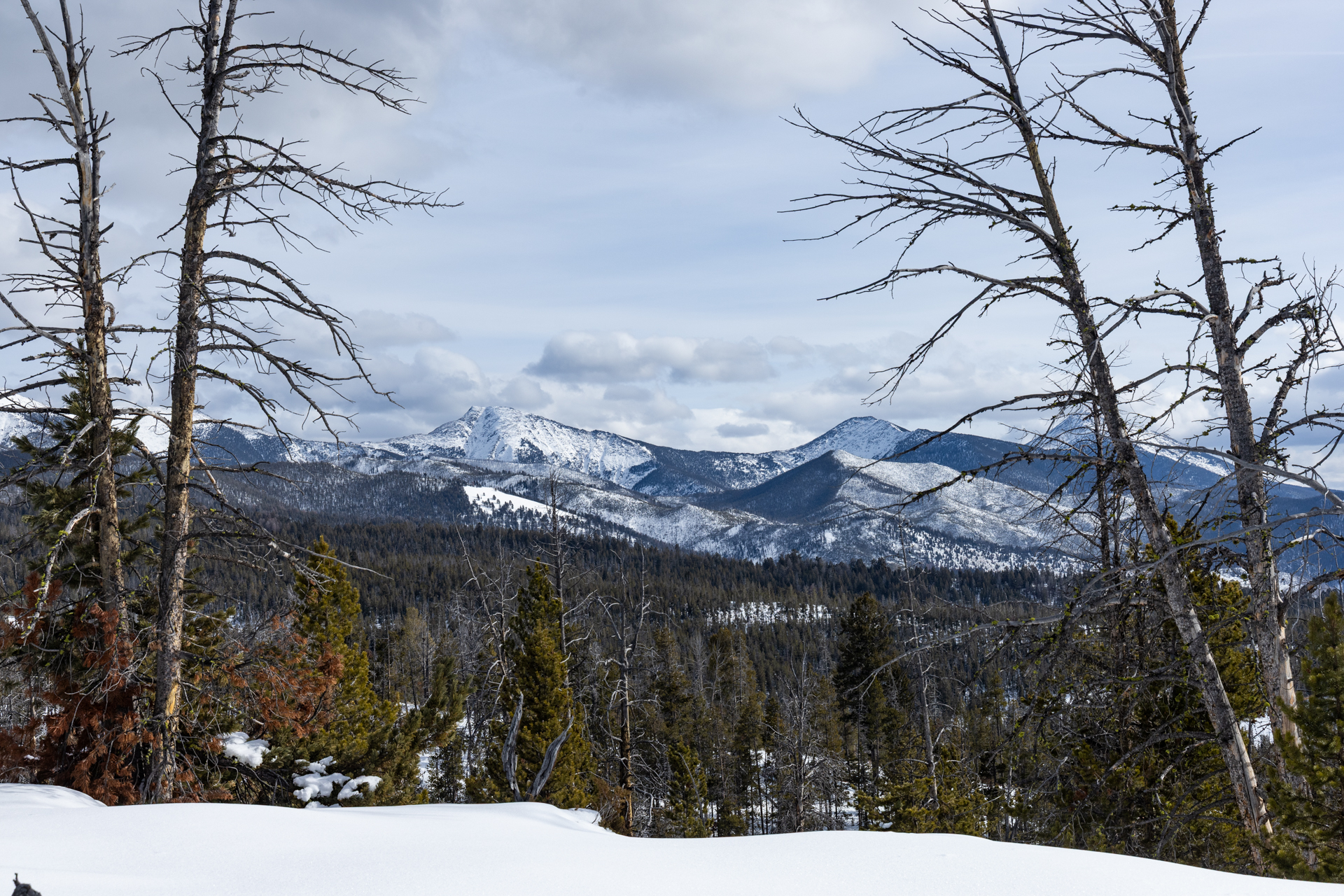
It’s located in Beaverhead-Deerlodge National Forest and because it’s located on a pass, you can see both the Bitterroot Mountains to west and Beaverhead range to the southeast. The trailhead is right on the board of Idaho and Montana, but the trails themselves are in Montana. Trails here are well-marked and signposted with maps at every intersection and there’s even a warming hut so you can defrost frozen fingers on chilly days.
You’ll ski through tall subalpine fir, lodgepole pines and more with occasional wide-open views of the surrounding ranges. It’s a stunning way to spend a few hours outdoors. But again, bring your own gear because rentals aren’t available. On the upside, trail access is free! Though there is a donation box if you feel so inclined.

Big Hole National Battlefield
If you spent the day at Chief Joseph Pass and are heading back to your accommodation near Polaris, make a pit stop at Big Hole National Battlefield, a national park property, and see where Chief Joseph became a historic figure. It’s the site of the “last Indian war” between U.S. troops and the Nez Perce. There’s a film and lots of informational displays in the visitor center where you can and should spend time learning about the historical significance of the park, but there are also a handful of trails you can hike, nordic ski or snowshoe depending on the weather.
One 3-mile round-trip option leads from the main road to the camp where the battle took place. The park service has erected tipi poles there and the nımí·pu· (Nez Perce) tribe, which was pushed out of the region not long after the battle, still visits the park to honor and remember and they hold an annual commemoration ceremony and event every August that’s free to attend (the park is also free).

Jackson Hot Springs
Also located between Chief Joseph Pass and Polaris is Jackson Hot Springs in the tiny town of Jackson that’s as rural Montana as it gets! There’s a lodge and restaurant, but also a hot springs pool that’s only $14 per person for a day pass so you can soak as long as you want. And yes, you can grab a drink at the bar and take it out to the pool with you. Slightly more modern than Elkhorn, but not by much, it’s still classic Montana with plenty of aged wood and weathered pipes, but that (and the moody string lights overhead) are what make it so inviting and endearing.
It’s popular with families on weekends as well as folks who have lived and worked in the area for decades. It is only open Thursday morning through Monday morning, so keep that in mind.

Bottom Line
Southwest Montana is a delightfully rustic, chill, affordable, down-to-earth adventure destination. The perfect place to kick back and relax in between active hours on the trails. In fact, we loved it so much we’ll absolutely be back. Probably sooner rather than later. It helps that Dillon is only a 4-hour drive from Northern Utah.
Looking to tack on more outdoor winter activities? Hit up West Yellowstone, MT at the beginning or end of your trip. From town, you can book a snow coach tour of Yellowstone National Park or cross country ski into the park from a trailhead right in town. And the views of the mountains on the drive? Amazing.
So get yourself to Montana for a wintery adventure already and wander on.