The Best Barefoot Hiking Boots and Shoes for Outdoor Adventure!
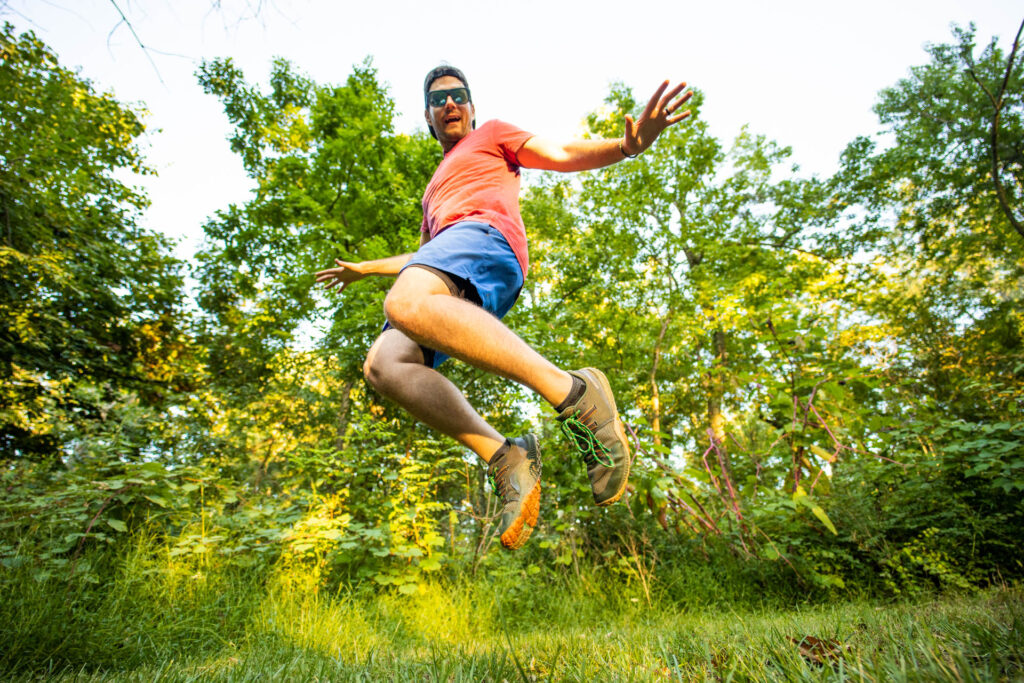
We shout a lot about barefoot shoes here at Terradrift. But that’s because we believe in the concept not just as a more comfortable and freeing way to exist in the world, but as a way to promote better foot function, balance, stability, and natural movement. After all, our feet were designed to move just the way they are, without all the extra support and cushioning (and the decidedly non foot-shaped design of modern footwear), so let’s let them! So if you’re headed out on a hike, bike, or backpacking trip soon, check out what we think are the best barefoot hiking boots and shoes in town and free your feet.
Bonus: all of these are vegan and PFAS-free.
Looking of a specific type of barefoot shoe? We’ve got you covered:
- Barefoot boots for winter
- Waterproof barefoot boots
- Shoes with zero drop and a wide toe box
- Barefoot hiking sandals
How to Transition to Barefoot Shoes
If you’re not used to barefoot shoes yet, read about how to transition safely in this post. Bottom line: do it slowly.
The Best Barefoot Hiking Boots and Shoes
These shoes feature all the hallmarks of barefoot footwear for the trail: good tread, flexibility, decent ground-feel, a wide toe box, and a zero drop platform.

Vivobarefoot Primus Trail Flow Mid
These are my favorite barefoot boots for hiking in mild weather by far. Yes, they’re sort of mid-rise boots, but they wear more like a shoe since they’re incredibly light, they have a stretchy and flexible knit ankle, are breathable, ultra flexible, a tiny bit water resistant, and have plenty of traction for hiking on all sorts of terrain. And they don’t look like clunky, overbuilt hiking boots, so I’m also happy to wear them around town or when traveling. Plus, they’re made of mostly recycled materials. They’re perfect for warm weather and those who prioritize stellar groundfeel. Read our in-depth review here.
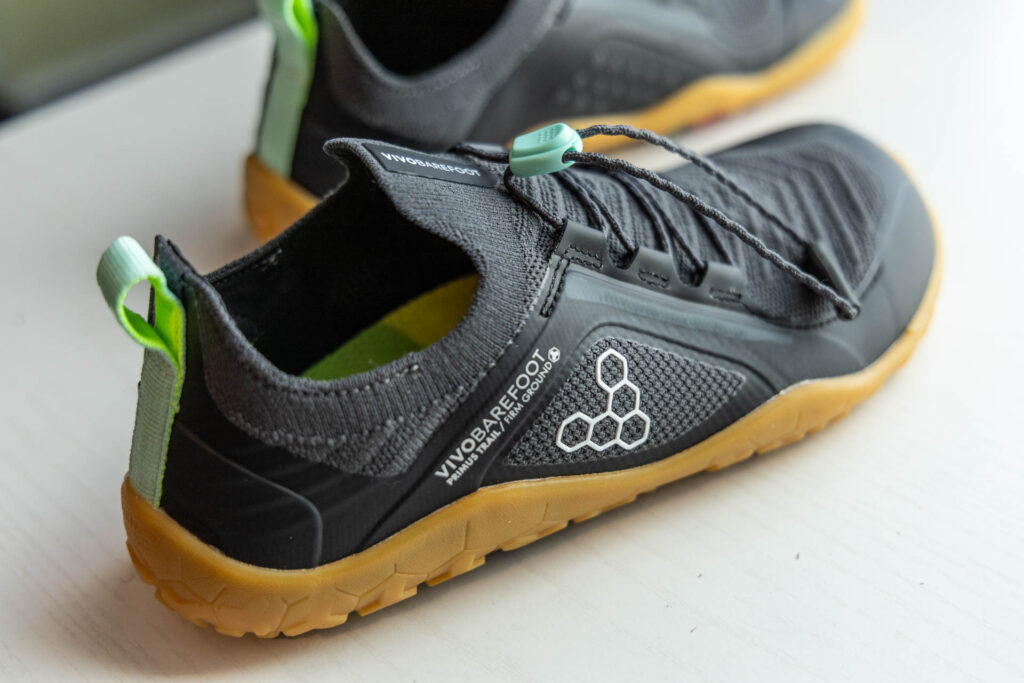
Vivobarefoot Primus Knit Trail FG
Lightweight, flexible, and easy to wear, these low-profile shoes may be designed for trail running, but we like them just as much for hiking (and biking…and going to the gym…). The sock-like uppers are thin and breathable plus they’re plenty stretchy to accommodate for movement. There’s a bit more room in the forefoot and toe box than in some of the brand’s other shoes, so you may want to consider getting a half size smaller than usual unless you have wide feet. But we dig the fast-lacing system, because who wants to fuss with shoe laces anyway? Bonus: they’re made of partially recycled materials (upper: 81%, laces and insole: 100%).
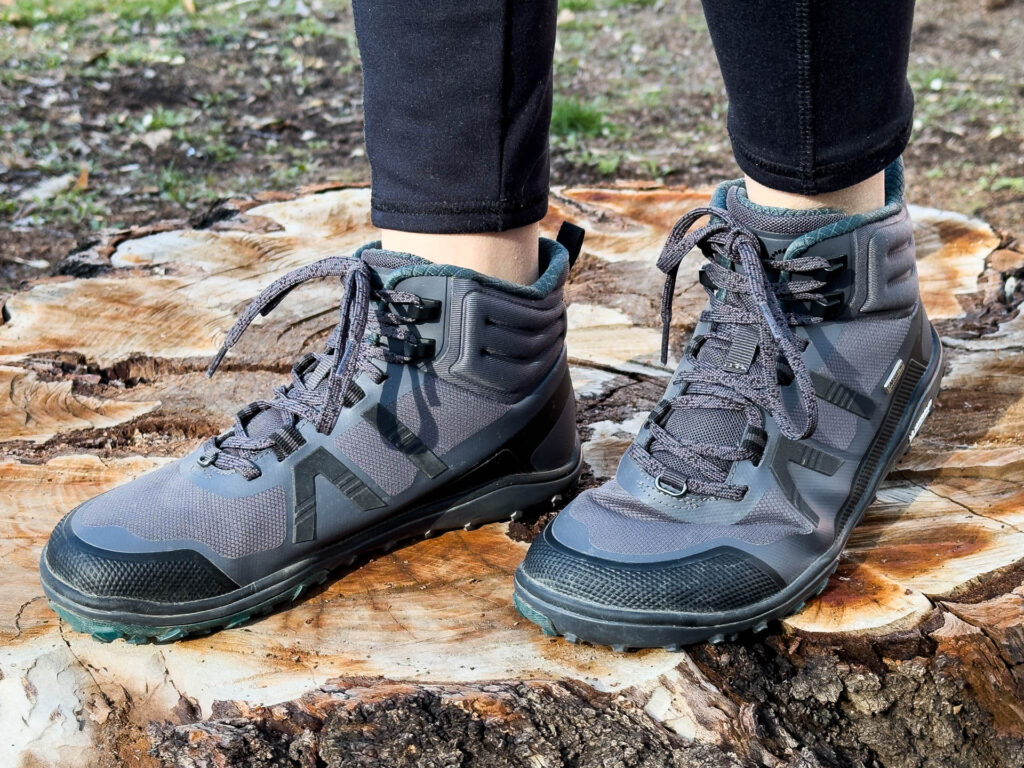
Xero Shoes Scrambler Mid II WP
While we were personally less of a fan of the Scrambler Mid II than the Vivo Magna Lite, we totally dig the waterproof version of these boots and shoes (full review here) and they’ll certainly be our new go-to for wet weather or muddy adventures this spring and summer! While the WP version isn’t as breathable as the original, they keep your feet dry and feature a thick, padded ankle and sticky Michelin rubber soles to help you keep your footing on slick trails. They do tend to be a bit stiffer in the flexibility department because of the rubber, but some folk prefer a more protective sole on rocky trails. There’s also a low version available.
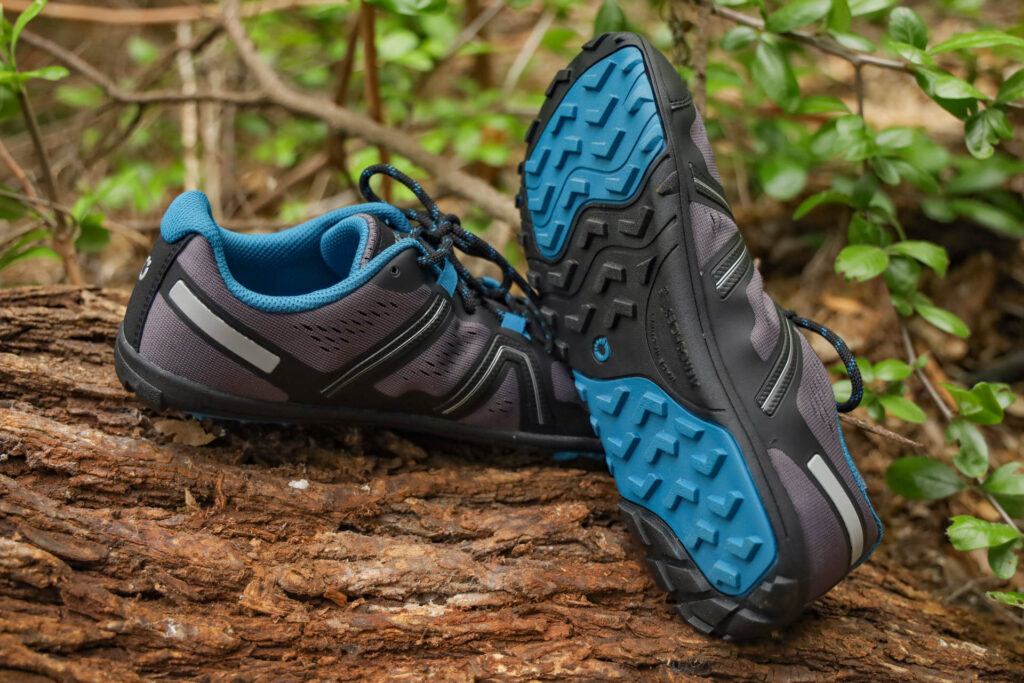
Xero Shoes Mesa Trail
If you like the idea of a low-rise trail shoe but prefer a more flexible sole than the Scambler’s denser Michelin rubber, check out the Mesa Trail. I’ve reviewed and have been running in an older version of this shoe (pictured above) for years and it’s been my go-to trail runner and hiking shoe for much of that time. The sole is flexible, they’re ultra breathable, there’s plenty of room in the toes, and they’re durable (Xero even has a 5,000-mile warranty on their soles). I especially love them because they require no break-in period. They just feel soft, flexible, and slipper-like from the moment you first put them on.

Bahé Modes
If you’re looking for a shoe that can handle trails but prefer something a bit more trail to tavern than an option designed to scale mountains, check out the Bahé Modes line. These shoes have grounding technology built-in, which is unique, but also come in several sole thicknesses with tread just aggressive enough for leisurely day hikes. That makes them perfect for folks transitioning to barefoot shoes, but also for those who like the idea of zero drop, wide toe boxes, and sole flexibility but maybe want a bit more cushion or protection underfoot. Check out the whole Modes line here.
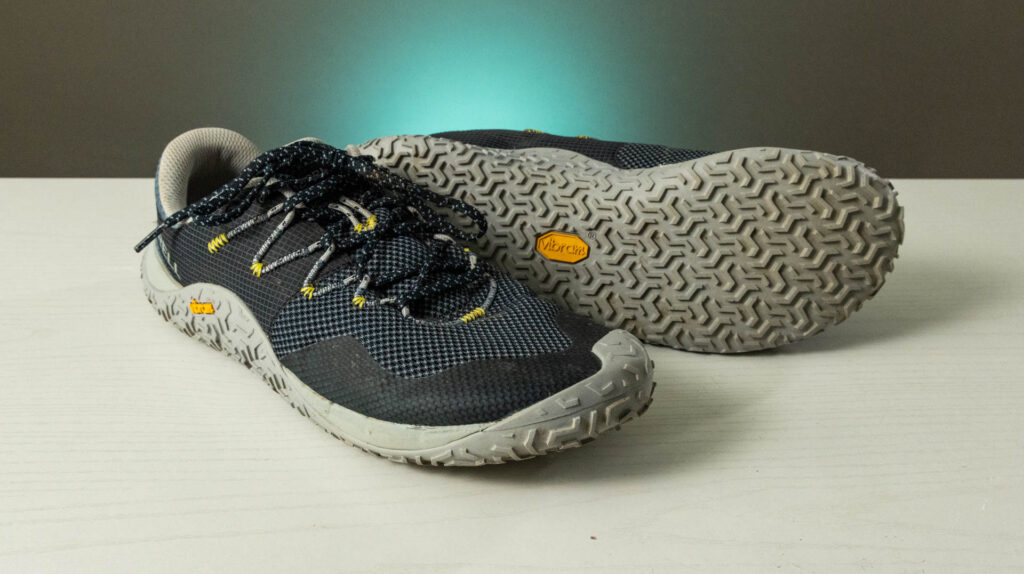
Merrell Trail Glove
We’ve reviewed several versions of this trail running shoe that’s just as suitable for hiking. We like it for its low-profile aesthetic, breathable upper and high percentage of recycled materials. It’s a bit less barefoot than some other options on this list thanks to a bit of structured arch support, a slightly narrower toe box, and slightly stiffer sole, but it continues to be one of Josh’s favorite barefoot trail shoes.
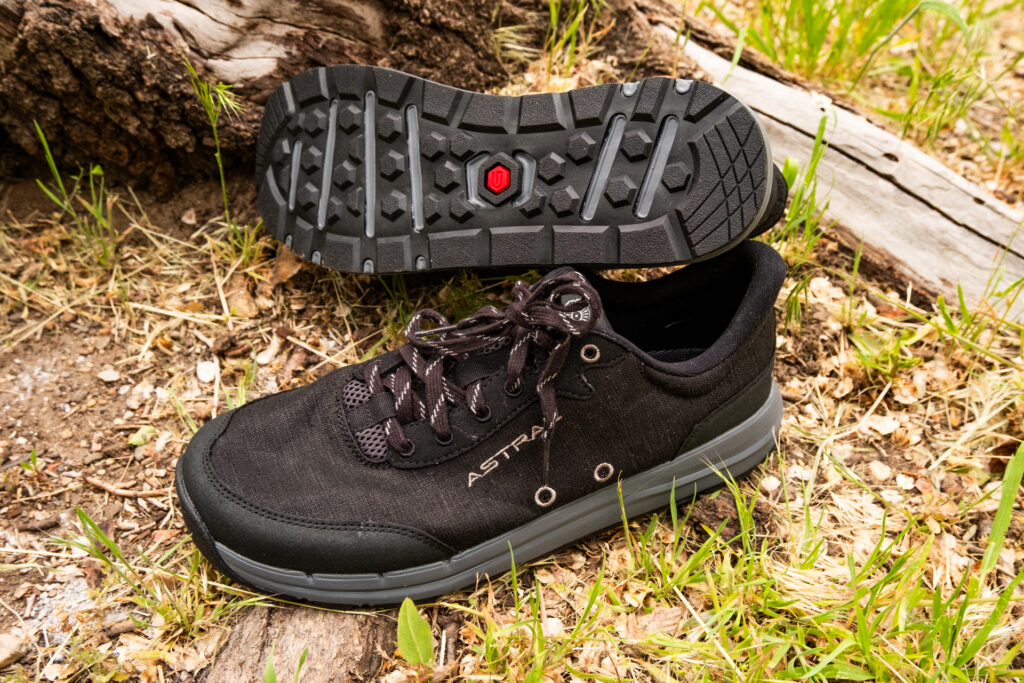
Astral TR1 Sensi HT
Our first Astral shoe was the Hemp Loyak which became an instant favorite. So when Astral released this trail-to-tavern shoe, we had to check it out. Unlike the Loyak, which is built to be worn around water, the TR1 Sensi HT has a thicker, squishier sole with more aggressive tread, built for everything from light hiking, running, and everyday wear. It does have a narrower profile and stiffer sole than some of the more intentional barefoot shoe brands like Xero and Vivobarefoot.
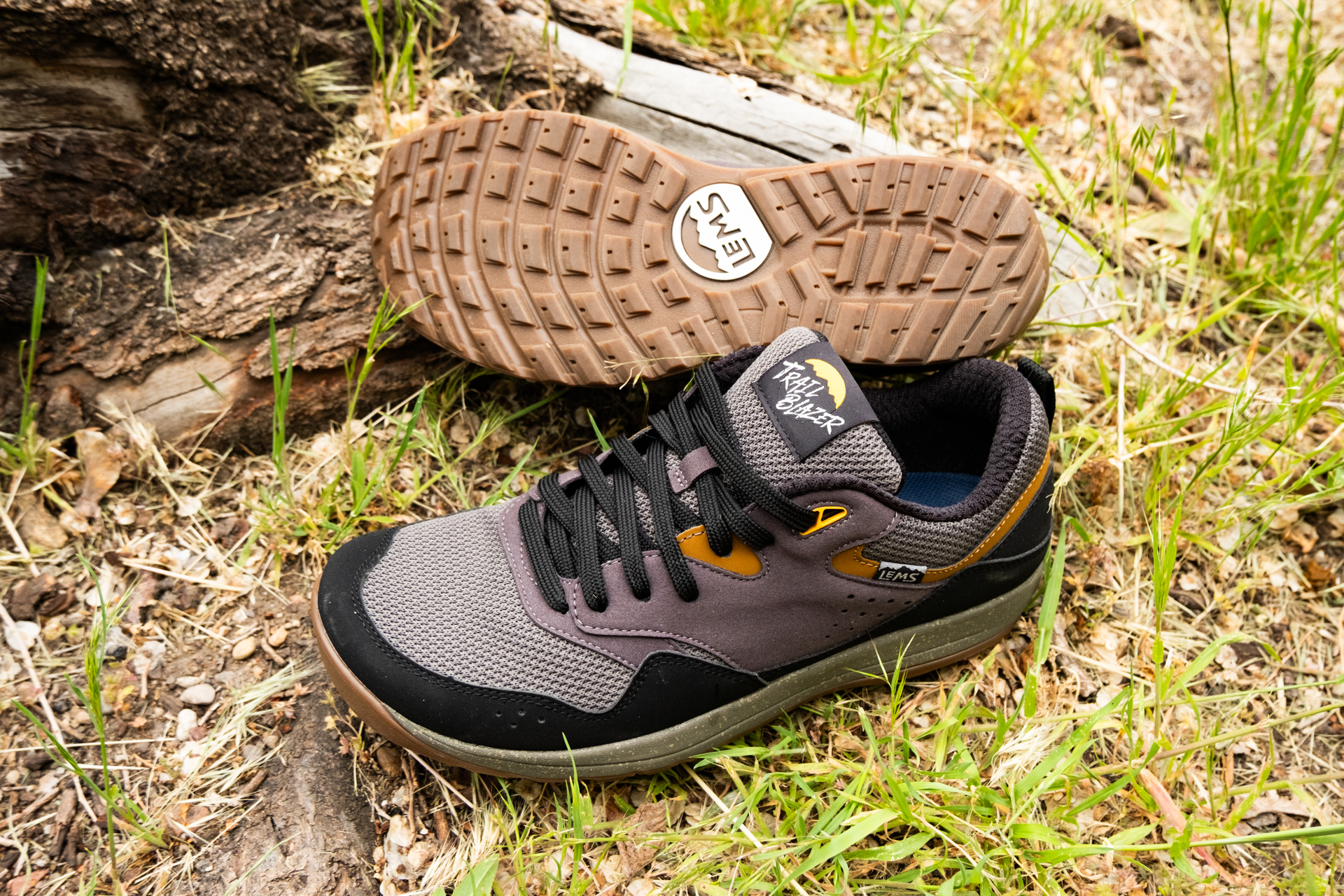
Lems Trail Blazer
Lems is one of Josh’s favorite outdoor shoe brands (see our review of the Lems Boulder Summit here) that effortlessly bridges the gap between stylish shoe and outdoor capable. The Trail Blazer not only looks great, but it has a medium-deep tread that sticks to the trail, has a breathable mesh toe cap, and the sole provides plenty of squish to prevent foot fatigue. Josh received multiple compliments on these after only a few days of wearing them around town! It has a nice wide profile with a big toe box and stiff sole.
Bottom Line
If you’re looking for a solid pair of barefoot hiking boots, look no further. Any of these will do nicely whether you’re looking for the most barefoot feel possible or a solid minimalist shoe to help you transition. Either way, treat your feet to footwear that respects their natural functionality then hit the trail and wander on!
•