

4 Ways to Filter and Purify Water for Hiking and Backpacking (And How to Choose)
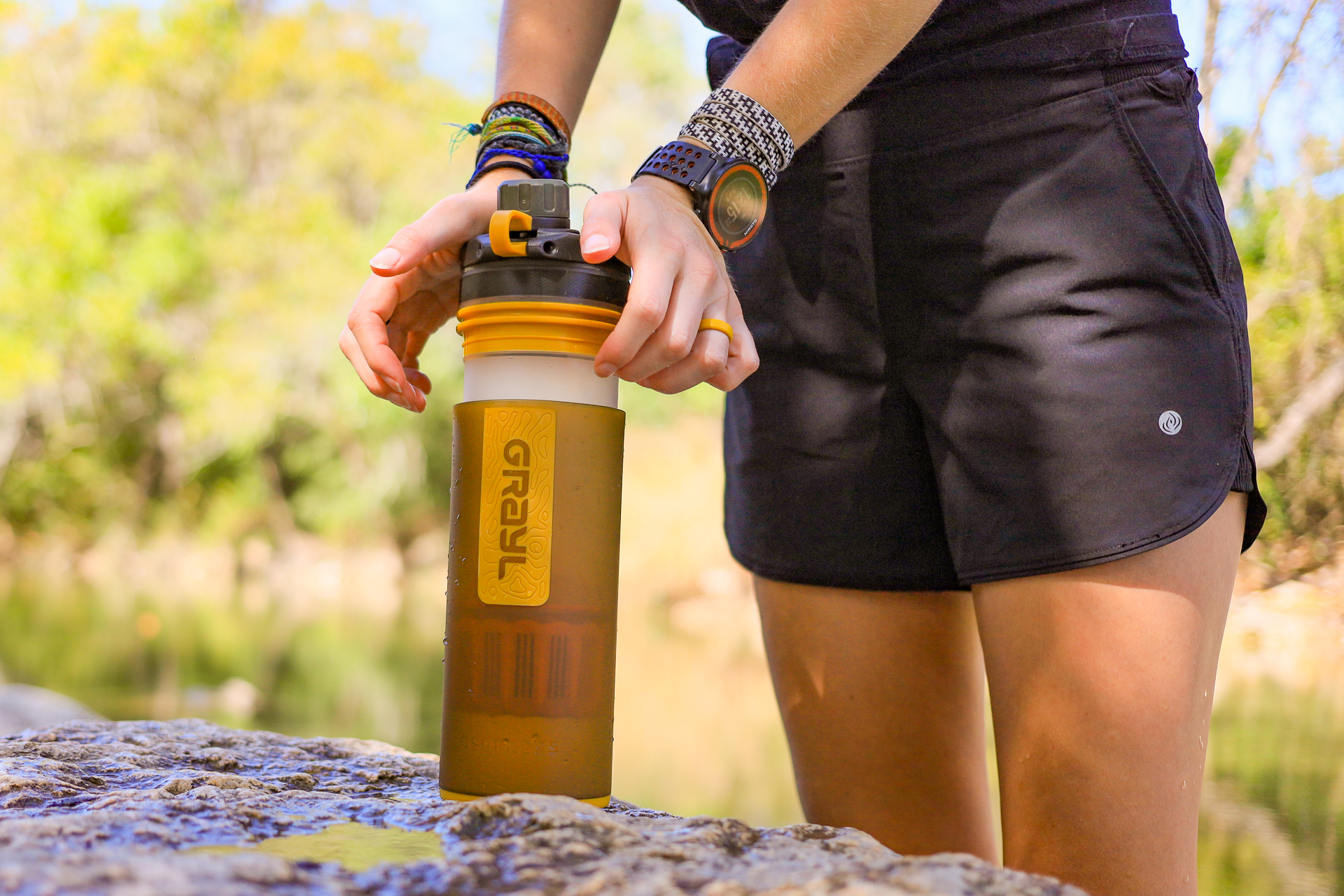
Whether you’re a seasoned outdoorist or new to the whole backpacking thing, there’s one piece of gear you should always have on hand if you plan to drink water from natural sources in the great outdoors: a water filter. But with so many types to choose from, how do you know which water filter to pick?
Here are the four main ways to filter and purify so you can decide which is best for you for every outdoor adventure.
A Note About Filtering Water
If you’re wondering why you should bother filtering and purifying your water in the great outdoors, here’s one good reason: diarrhea. Also parasites. And vomiting. One sip of water contaminated with viruses, bacteria, or protozoa can mean serious gastrointestinal distress. We’re talking giardia, rotavirus, and dysentery. Trust us when we say you do not want to put up with these things at home or in the backcountry. So drink up, but drink up wisely.
Why to Filter AND Purify
Filtration is not the same thing as purification. Keep that in mind when choosing your filtration method.
For example, popular hollow fiber membrane filters like the Sawyer Squeeze and Lifestraw (find our favorite filters here) are excellent at filtering out dirt, protozoa like cryptosporidium cysts and bacteria, but most don’t capture viruses, which are too small and pass right through hollow fiber membranes. That’s where purification comes in, which works in conjunction with filters because purification methods kill viruses and bacteria, but don’t filter out particulates.
The only way to kill all the baddies: boil your water or use a UV wand like a Steripen. But that’s not always practical (read on to find out why). Or use a filter+purifier in one.
Another option: double up and utilize a filter AND a purifier tablet on all the water you collect and drink (or cook with) in the outdoors.
Types of Backpacking Water Filters and Purifiers
There are three main types of water filters and purifiers (four if you count boiling): UV purifiers, chemical tablet purifiers, and filters. Each one is not only different in its own right but plays a different role in purification and filtration.
UV-C Purifiers
Best for: Solos, duos, shorter trips
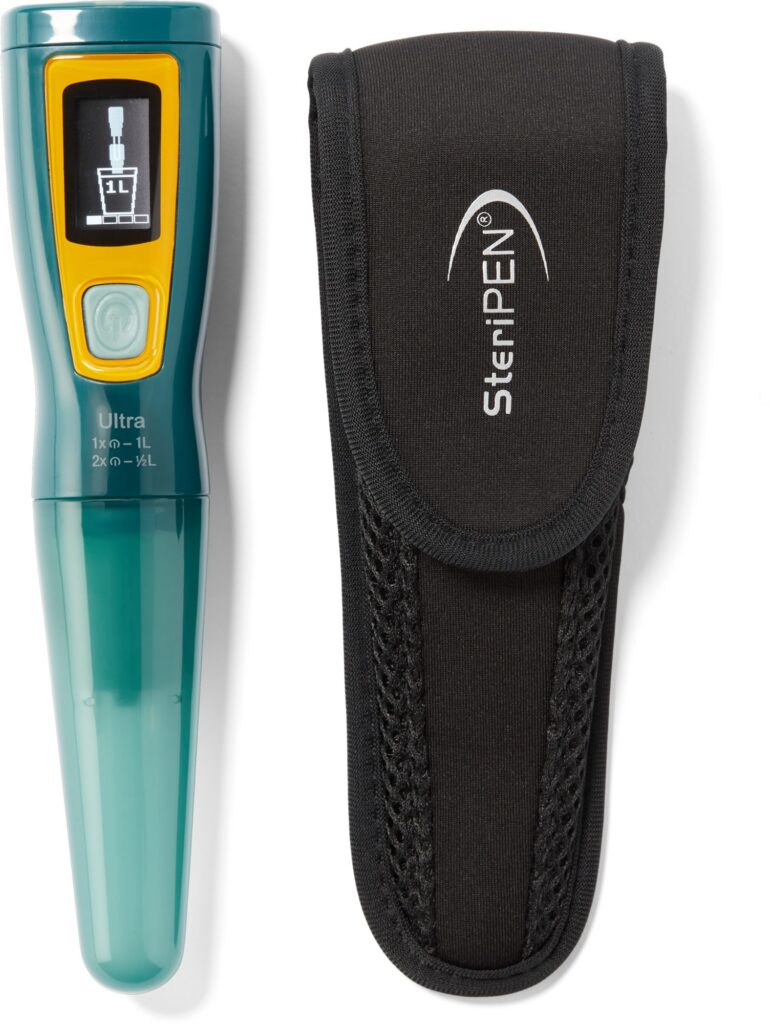
UV purifiers typically come in “pen” form. As in, a battery-powered wand-type device (or in the case of the Larq water bottle that we so love, a light embedded in a lid) that you expose water to. The light kills bacteria and viruses. Plus parasites (including cryptosporidium). Only UV purifiers and boiling water can do that. UV purifiers like the Katadyn Steripen only take a minute or two to use if you’re filtering for one or two people, but aren’t efficient if you have to purify large quantities of water.
Also important: water has to be clear and free from haze or particulates, so filtering or clarifying through a filter or bandana first is often necessary.
Pros:
- Filters water for one or two people quickly,
- Easy to use,
- Kills all viruses and bacteria
Cons:
- Takes longer to treat large amounts of water
- Doesn’t filter out dirt or large particles
- More expensive than other methods
- Requires batteries
- Water must be clear and free from particulates to effectively purify
Chemical Purifiers
Best for: Easy purification, groups of all sizes, ultralight backpacking
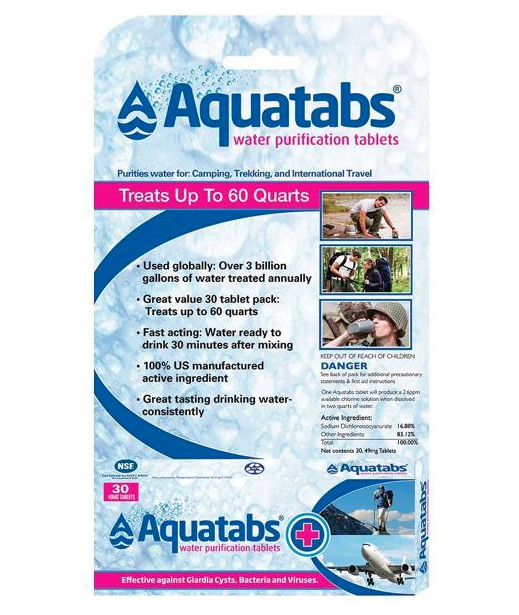
The word chemical is often perceived negatively, but it shouldn’t always be, because plenty of chemicals out there are good chemicals. Like the kind that kill bacteria and viruses in your water. Chemical purifiers come in tablet or liquid form and are typically added to larger quantities of water.
Some, like Iodine drops, may leave a bad taste in the water, but tablets like Aquatabs don’t alter the flavor of the water at all. They kill bacteria in a liter of water in about 30 minutes, generally speaking, making backcountry water safe to drink. Keep in mind, though, that these types of purifiers don’t kill parasites like cryptosporidium cysts, which are often found in higher quantities the closer you are to civilization. So they’re often used in conjunction with filters.
Pros:
- Easily purifies large amounts of water
- Inexpensive
- Hands-off purification time
- Kills all viruses and bacteria
Cons:
- Doesn’t kill parasites
- Doesn’t filter out dirt or large particles
- Purifies slower than other methods
Water Filters
Best for: Most trips, most hikers and backpackers
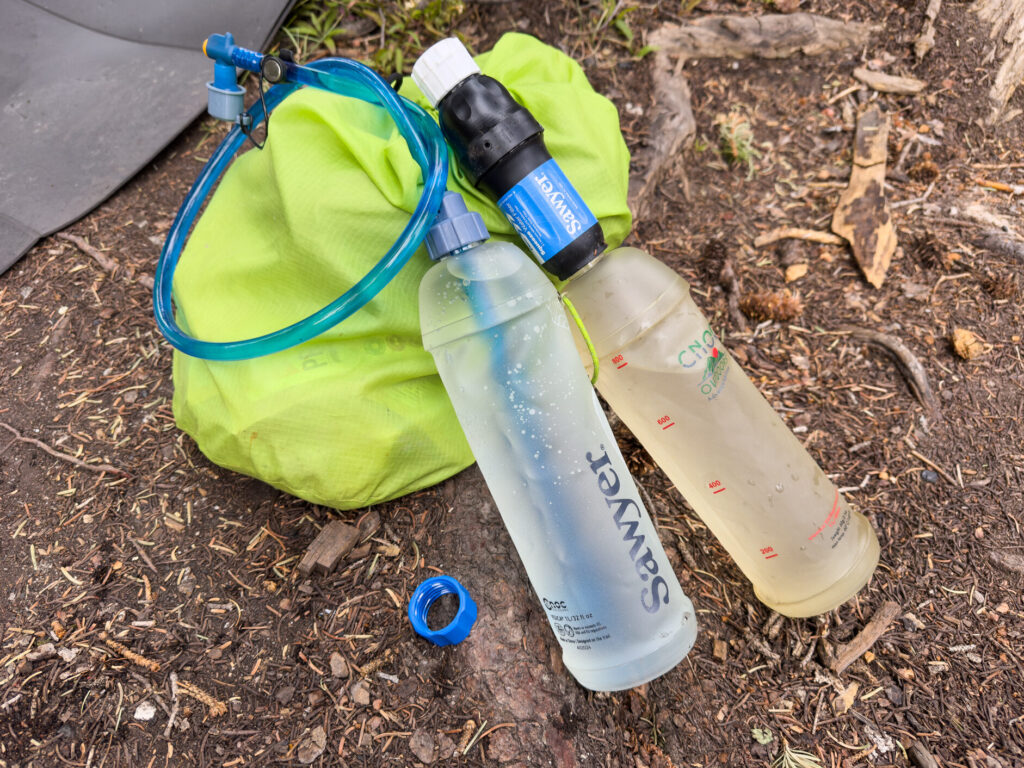
Filters, like the name implies, are devices that physically filter out the bad stuff in your water, including dirt and debris, typically via a hollow fiber membrane. While they do filter out bacteria and parasites like cryptosporidium cysts, most filters don’t have the capacity to filter out viruses.
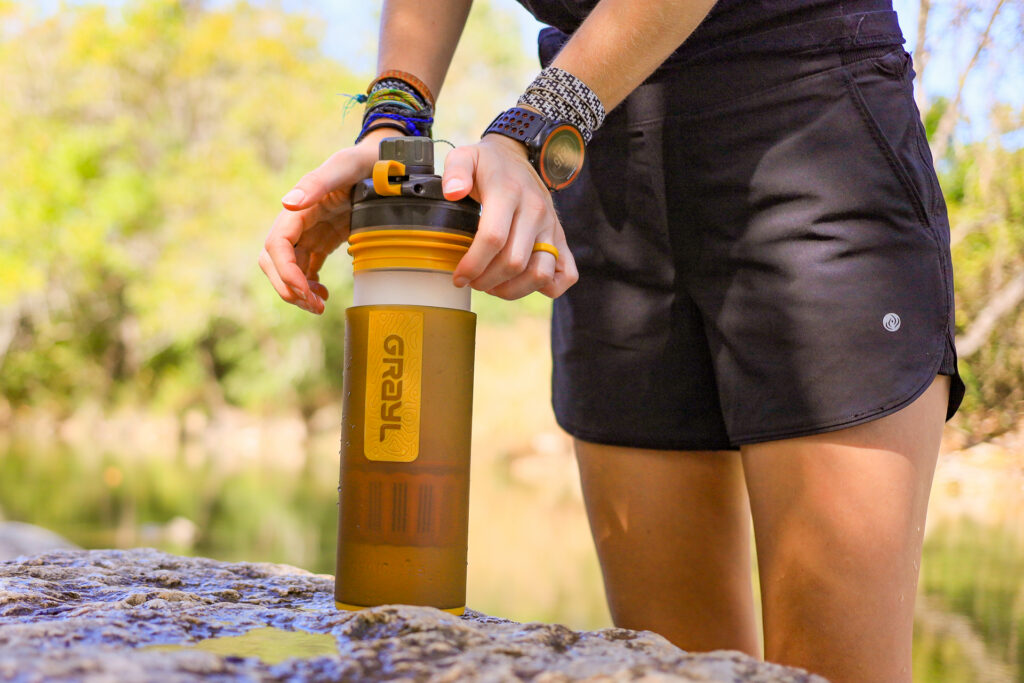
So if you want to be safe, they are best paired with a chemical purification method, especially when recreating close to civilization, to ensure that viruses, parasites, and bacteria are all eliminated. Filters are available in a wide range of designs, from tabletop pitchers to straw-like devices, pumps to gravity filters. Find our favorite filters here and our favorite filter-purifier combo bottles here.
Pros:
- Easily purifies any amount of water
- Inexpensive + reusable
- Filters out bacteria and protozoa like cryptosporidium cysts plus debris
- Available in a wide range of sizes and styles
Cons:
- Doesn’t eliminate viruses
- Can be time-consuming and labor-intensive
- Filters to be replaced every few years

Boiling
Best for: Large groups, cooking
I mentioned boiling a few times above as a solid option for killing all the gross stuff that can be in your water. Indeed, it’s a great way to make water drinkable. That said, it is definitely better suited for purifying water for cooking or hot beverages like coffee than regular hydration.
That’s obviously because if you boil water, it’s hot, meaning you can’t pour it in a bottle or hydration reservoir and start gulping; it has to cool down significantly first. That said, I use the clarification-then-boiling method for pretty much all dehydrated meals and coffee I prepare in the backcountry.
Pros:
- Easily purifies any amount of water
- Kills all the baddies
- Utilizes gear you already use when backpacking
Cons:
- Uses fuel
- Water should be clarified first
- Can’t drink water until it cools down
How to Purify your Water in the Outdoors
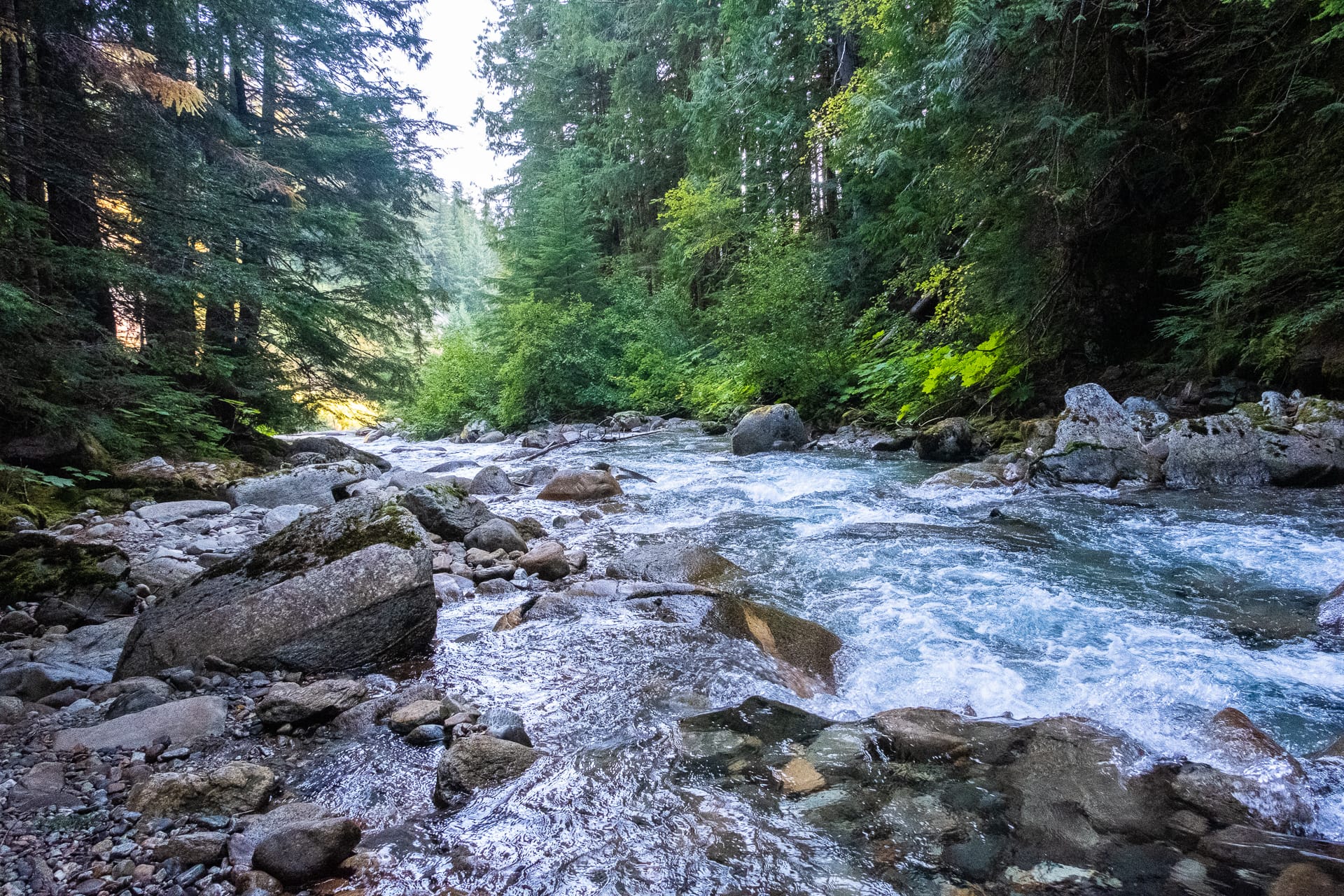
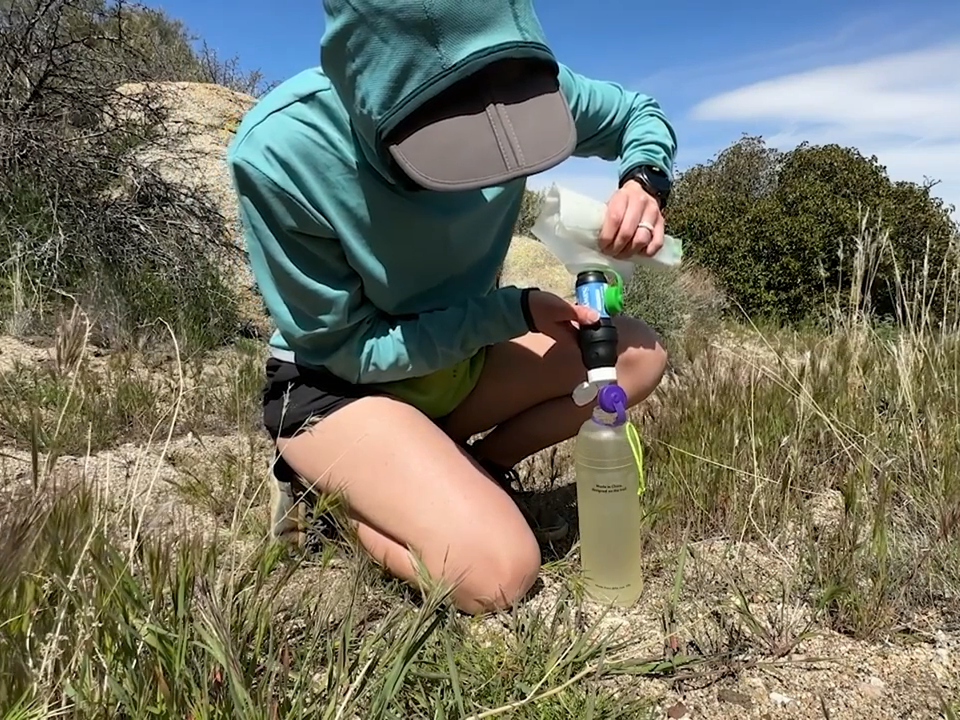
If you do need to filter or purify freshwater in the outdoors (say from a stream, lake, or river), Take it step by step. First, ensure the water isn’t downstream from a campground or farm if you can (that’s gonna be some nasty water), then clarify the water before filtering or purifying it if it’s murky or full of particles like dirt or leaf debris. Clarification involves running water through a filtration device like a bandana or coffee filter before actually treating it. Clarifying will help filter out the big stuff, plus smaller particles that you might not be able to see.
Next, kill all those infectious microorganisms by purifying the water. Boil your water or use a UV-C pen to kill all the baddies. If that’s not an option, the CDC recommends doubling up: Use a backpacking water filter and a chemical purification method to ensure you get the most purified water possible.
Whatever method you use, be sure to follow the directions on the package. Shortcuts = giardia. And clear ≠ clean. Even if the water is from what looks like a pristine waterfall or mountain stream, it can still be swimming with any number of things that could make you sick. Only natural springs pouring straight from the source are safe to drink without treating.
Bottom Line
Filter always, purify when necessary, and feel free to use a combination of filtration and purification methods based on the type of trip, how many are in your group, and whether you prefer a hand-on or hands-off method. Then drink safe water when you backpack and hike and wander on.
Only UV purifiers, boiling, and water filters as small or smaller than .2 microns neutralize protozoa and pathogens like cryptosporidium cysts that can be found in untreated water. Chemical water purifiers do not kill cryptosporidium cysts.
UV purifiers, chemical purifiers, water filters and boiling all kill bacteria that can be found in untreated water.
UV purifiers, chemical purifiers and boiling all kill viruses that can be found in untreated water. Water filters are the only method that does not filter viruses.
That depends on your individual needs, but boiling water and using a UV purification device are the only methods that neutralize bacteria, viruses, and pathogens and protozoa like cryptosporidium cysts. The CDC recommends if you’re not boiling or using UV to sterilize untreated water found in the outdoors that you use a water filter and chemical purification together for best results.





Msr Guardian and Grayl filter to virus micron sizes. Most hallowcore filters don’t remove heavy metals; want a carbon filter for that. Article is wrong.
Thanks for catching that bit about heavy metals! We recently updated this article and missed a few things, which have since been fixed! Grayl filters aren’t hollow fiber though. And the MSR Guardian is truly unique among that type of filter. That said, we do mention and link to another post in this article about filter bottles that also purify and include the Grayl!