
How Leave No Trace Principles Could Save You $300,000
One man has been fined $300,000 for not adhering to Leave No Trace principles. Don’t be that guy.

Like gear? We do, too. Terradrift will bring you honest reviews and recommendations of our favorite gear, from camera accessories to outdoor equipment and everything in between.

One man has been fined $300,000 for not adhering to Leave No Trace principles. Don’t be that guy.

I travel light, usually with just one or two pairs of shoes, so I’m always on the lookout for the perfect pair of vegan boots for travel that can do it all: take me from the hiking trail in the morning to a cafe for lunch to a cidery at dinnertime. I want to be able to wear them mountain biking, for a hike to a rad viewpoint, and into town without people staring at my feet and grimacing in disgust. So we dug in, put our feet in boots, pounded the pavement, hit the trails, tested a few travel-friendly boots that also happen to be vegan, and found five of our faves that we think fit the descriptors “stylish” and “functional” supremely well (and are often packable, to boot–see what I did there?).

It’s winter! Which means snow and ice for many of us, which means a lot of folks are hunkering down indoors instead of getting outside to play. But I refuse to let snow and ice keep me from enjoying time outside, taking winter hikes, or exploring new parks and trails. So right after I layer up (check out our guide to layering for winter hikes here), my next move is to strap some traction devices on my feet.
What are traction devices, you ask? I didn’t know either until I started winter hiking in super snowy regions like Colorado. But they’re brilliant and make snow- and ice-covered trails totally hikeable in wintry conditions. They come in many forms: Snowshoes, micro spikes, and crampons. But we’re going to focus on micro spikes because they’re not only accessible and easy to use, they’re useful for all manner of outdoor adventures, from teaching your niece to ice skate on a frozen lake, crossing a snowy mountain pass, or hoofing it around town after freezing rain. So here are some of our favorite traction devices. (Learn more about traction devices and which to use in this article).
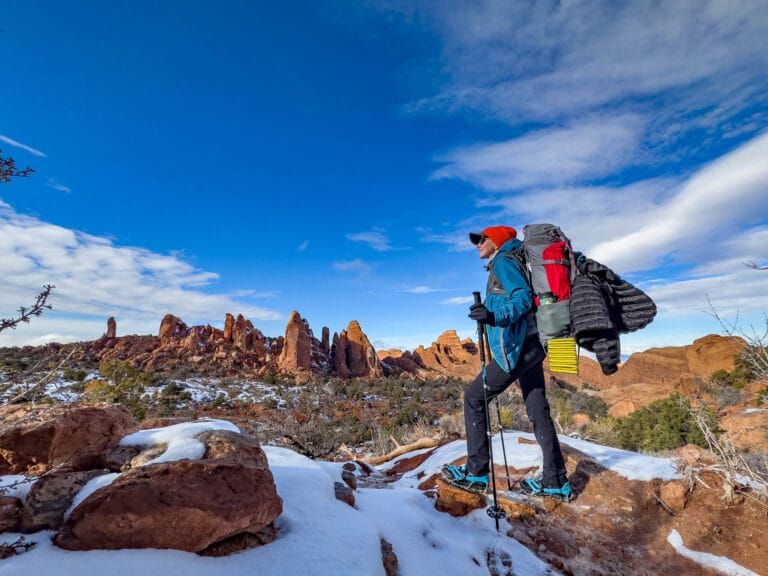
Winter backpacking is the bomb Trails are empty, campgrounds aren’t crowded, you don’t have to fight for backcountry permits, there are no bugs or snakes or bears or other things that you have to watch out for in warmer months, and you definitely don’t have to plan months in advance to make park or camping reservations. But it does require a bit more gear and preparation. So if you’re gonna hike, camp, or backpack in the winter, you definitely need to be ultra prepared. Fortunately, we gathered up a bunch of great winter-specific gear, took it into the backcountry, and put it to the test to see what worked and what didn’t. Here’s what we thought of ALL OF IT!
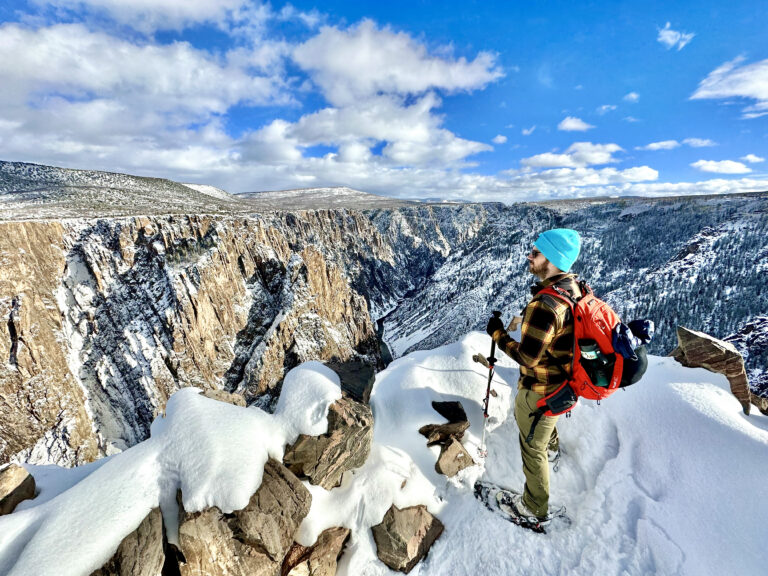
Snowshoes. We love ‘em. They’re super handy for, you know, walking on snow. Because nobody likes post-holing in a foot and a half of powder over three miles when you’re just trying to enjoy a scenic winter hike. But there are tons of snowshoe options out there and, frankly, most of ‘em aren’t terribly sustainable. But we found two that do, in fact, leave a lighter footprint–no pun intended–and we’re gonna compare them so you can pick the best snowshoes for you. So allow us to introduce you to the MSR Revo snowshoes and the TSL Symbiox Hyperflex Instinct, two different snowshoes for different types of snowshoers (and terrain). We’ll help you figure out which one is right for you.

If you’re planning a multi-day backpacking excursion, thru-hike, heck, even an extended day hike, nutrition is important. You’re going to need some serious calories, for sure, but your body also requires protein. A lot of it. And one of our favorite quick and easy ways to get it, on OR off the trail, is with vegan protein powder. Here are 5, ranked by the tastiest to the tongue-scrapingly awful.

It’s a debate as old as time…Or probably just as old as the 90’s or whenever hip packs, bum bags, waist packs, or whatever you call them in your neck of the woods came into vogue: Which is better for hiking and other outdoor activities? A hip pack or backpack? They are, after all, very different animals. And serve very different purposes and functions. Or do they? We’ll break down what each does best in this backpack vs hip pack showdown to help you decide which you want to carry on your next outdoor excursion.
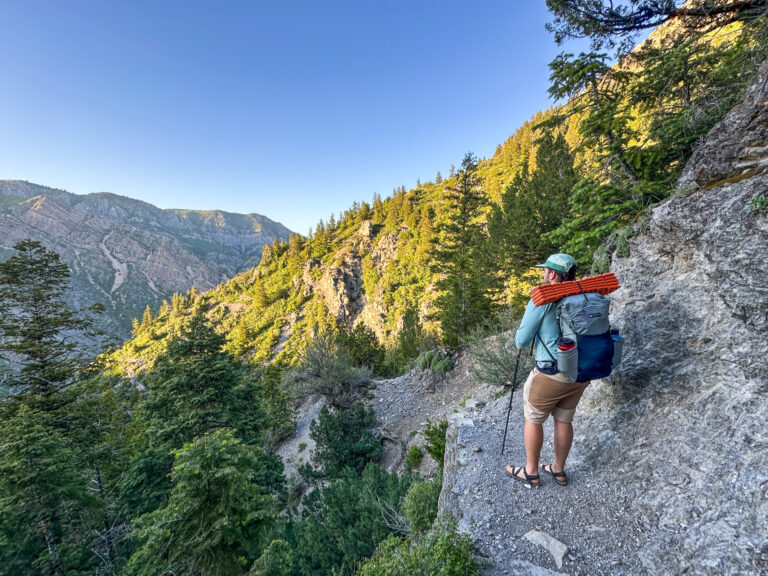
Here’s our favorite ultralight gear of the year and your ultimate ultralight backpacking gear kit so you can hike with less weight on your next multi-day trek.

Coffee is what makes the wheel spin and keeps the content churning here at Terradrift. We love it. We’re obsessed with it. We’re probably addicted to it. So we’re always on the lookout for innovative devices and methods of brewing, especially portable coffee makers that we can take on the road with us. So allow me to introduce you to the Pakt Coffee Kit, a delightfully portable travel coffee maker that packs up into one convenient little handheld package and contains everything you need to brew a great cup of coffee just about anywhere. Read (and watch) all about it here.

There are a pair of shiny new hiking pants for women on the market and they. Are. Legit. Why? They are designed to finally give anyone who has to pee sitting down the chance to laugh directly in the face of the patriarchy. Why? How? They allow women to pee in the outdoors with their pants still 100% on and their privacy protected. Got your attention? We thought so. Well, buckle up, because we’re gonna talk about these new SheFly Go Anywhere Pants, what we thought of them, and whether they’re worth the price right here, right now.