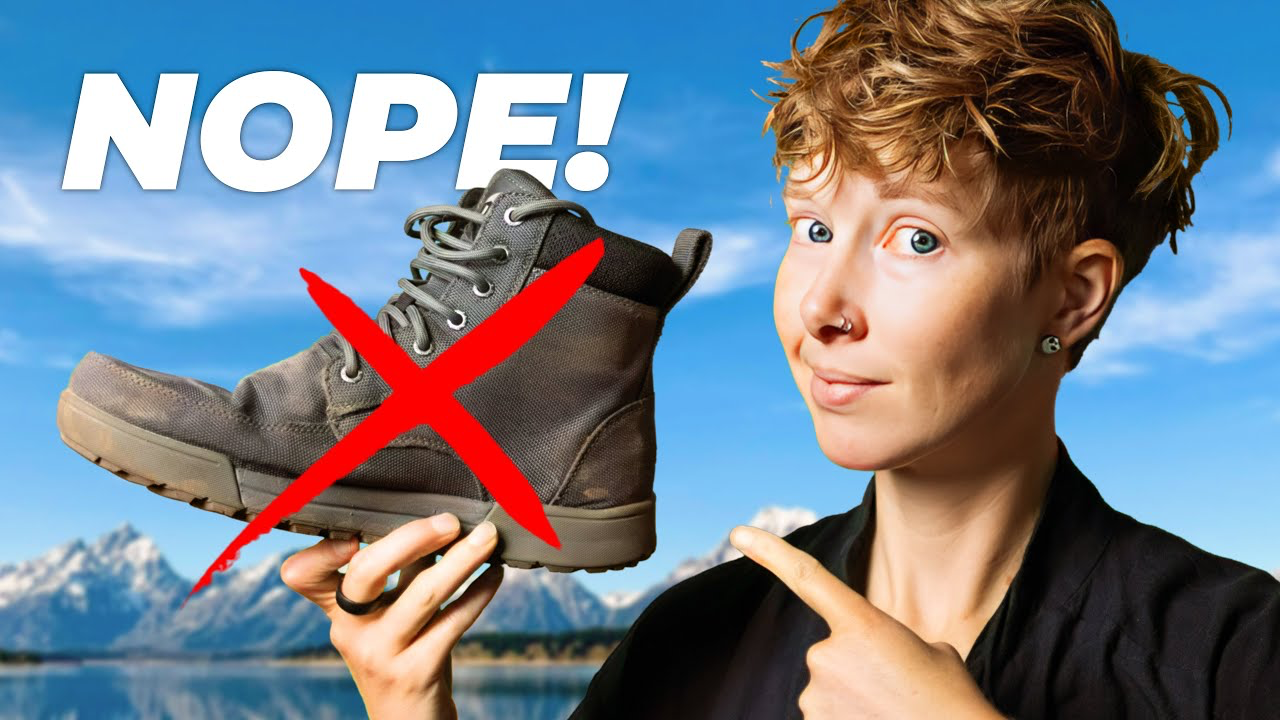
5 Things You DON'T Need to Go Hiking

5 Things You Don’t Need for a Day Hike (Even Though Everyone Says You Do)

Sharing is caring!

Let’s be honest: hiking gear recommendations are everywhere. And while we love gear as much as the next outdoor junkie, sometimes it feels like the only way to step onto a trail is with a shopping cart full of expensive outdoor equipment.

But guess what? You don’t need a closet full of high-tech gear to enjoy the trail—especially if you’re just getting started or heading out for a short, easy day hike.

So let’s break down five things you don’t need to hit the trail, no matter what the influencers say. And if you’re wondering what should make the cut, we’ve also covered the 5 Things You Should Always Take Hiking.

Salamon hiking boot
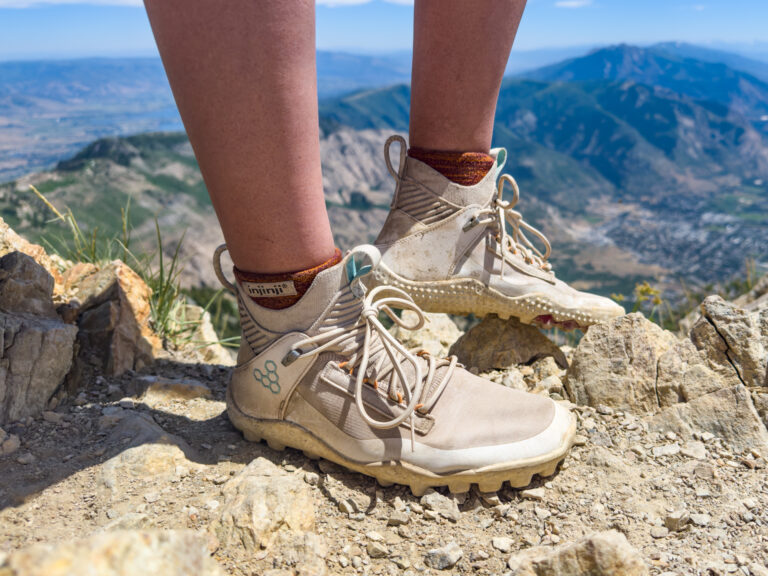
You don’t need a heavy hiking boot for most outdoor recreation.

1. Overbuilt Hiking Boots

Yes, hiking boots have their place. They offer ankle support, grip, and sometimes waterproof protection—great for rocky terrain or multi-day backpacking trips. But if you’re just wandering your local park or tackling a mellow 2-3 mile loop?

You can absolutely get by with your trusty running shoes or even gym sneakers. We’ve hiked in barefoot sandals, trail runners, and yes, even old-school Vans. Don’t let a lack of “official” hiking footwear stop you from getting outside.

If hiking becomes a regular hobby and you start venturing into rougher terrain, then look into boots that match your style and environment. But until then, wear what you’ve got.

Black Diamond Beta Light 30 Pack
You don’t need super-specialized equipment like this $400 Black Diamond Daypack.

2. A Super Expensive Day Pack

Yes, a good hiking daypack is comfortable and useful. Yes, they’re designed to distribute weight, have smartly placed pockets, and feel better on your shoulders over long distances. But for new hikers or casual day-trippers?

Just grab a backpack you already own. Your kid’s JanSport? Perfectly fine. That thrift store find with just one zipper? It’ll do the job. What matters most is that you have a bag to carry the 10 essentials.

Highly Technical Synthetic Clothing
You don’t need to go out and buy a $150 shirt to go hiking.

3. Highly Technical Synthetic Clothing

Synthetic clothing wicks sweat, dries quickly, and is awesome for long or cold hikes. But unless you’re tackling snow-covered peaks or sweating buckets in the desert, you don’t need to rush out and buy a closet full of moisture-wicking, quick-drying apparel (though we absolutely love a good sun shirt).

Got a cotton tank and athletic shorts? You’re golden for warm-weather day hikes. Of course, in winter or rainy conditions, layering properly becomes more important. But for average outings? Wear what you’re comfortable in. No one’s judging your jean shorts and faded band tee (well, somebody might be, but they’re jerks).

Mountain series medical kit for mountaineering.
You probably don’t need a $250 first aid kit fit for a surgeon when hiking.

4. A Fancy Pre-Built First Aid Kit

Let’s be clear: you do need a first aid kit—but probably not one that costs $100 and comes in a tactical pouch.

If you’re heading out on a quick local hike, you can build your own with what you already have at home: a couple of bandages, painkillers, blister treatment (like moleskin), and maybe some gauze.

Toss it all in a Stasher bag or a zip-top sandwich bag, and boom—custom day-hiking kit. You’ll save money, reduce waste, and carry exactly what you need.

Leki Ultralight Trekking Poles
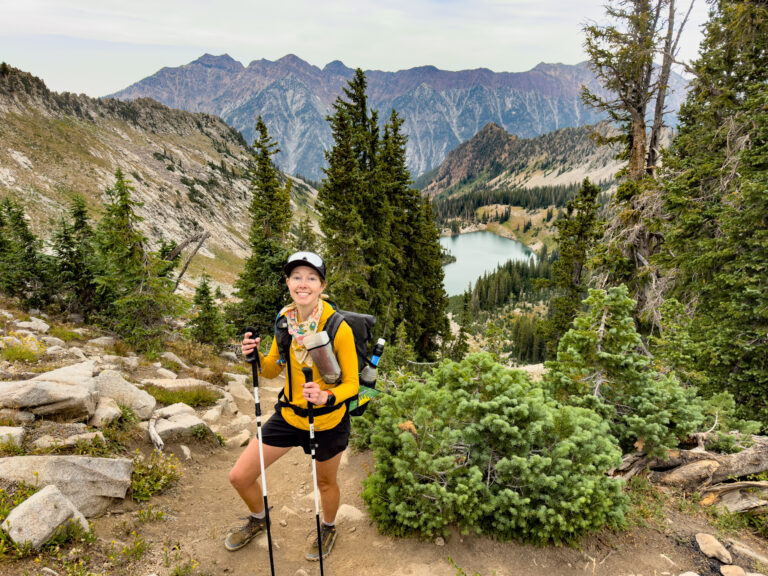
While having collapsible, ultralight trekking poles is nice, a $35 pair will get you down the trail just as well.

5. High-End Trekking Poles

Trekking poles can be a game-changer—for balance, reducing joint strain, and conquering steep trails. But are $200 carbon fiber trekking poles necessary for short hikes? Nope.

If you’re just getting into hiking, test the waters with a basic budget pair or even a found walking stick. For many hikers, cheaper poles do the job just fine—they’re just a bit heavier.

Bottom Line: Hike First, Gear Later

If you’re just starting your hiking journey, don’t feel like you have to spend a fortune just to earn your place on the trail. Borrow gear, wear what you own, and prioritize the essentials.

And speaking of essentials, once you’re ready to level up your day hike game, don’t miss our guide to the 5 Things You Should Always Take Hiking. It’ll help you separate the hype from the must-haves.

See you out there and wander on!


Watch the video version of this post on YouTube.


🥾 Do I really need hiking boots for short trails?

Nope! If you’re sticking to easy terrain, your regular running shoes or gym sneakers will usually do the trick. Save the hiking boots for tougher, more technical trails.

🎒 Can I use a regular backpack instead of a hiking pack?

Absolutely. Any backpack that holds your essentials will work. You can upgrade to a technical pack later if hiking becomes a habit.

👕 Is synthetic clothing necessary for day hiking?

Only if you’re doing long, sweaty hikes or it’s cold outside. Otherwise, wear what’s comfy—yes, even that cotton band tee and jean shorts.

🩹 Do I need to buy a premade first aid kit?

Nope! You can easily build your own with items from your medicine cabinet. Just store it in a zip-top or waterproof bag.

🦯 Are expensive trekking poles worth it?

Not for short or infrequent hikes. A basic pair—or even a sturdy stick—will do just fine unless you’re hiking often or over rough terrain.

Similar Posts

  • The 4+ Best Ultralight Sleeping Pads (That Are Also More Sustainable)

    Consider yourself an ultralight backpacker? Or just want to trim some weight from your pack? Ready to upgrade from an old, leaky air mattress to something more reliable? An ultralight sleeping pad is the way to go. But choosing one can be a pain, especially if you’d prefer to buy from a sustainable brand or score a pad that’s made of more responsible materials. Fortunately, we’ve tested plenty over the years. Here are a few ultralight sleeping pads we love (inflatable and foam) and that are perfect for all kinds of ultralight backpacking adventures–but that don’t sacrifice comfort.

  • Sustainable Camp Lanterns: 3 Stellar Camp Lights to Light the Night

    You know we’re all about that camp life here at Terradrift. Sleeping under the stars, s’mores, camp coffee, chats around the campfire… And while there’s plenty of gear you need for a successful camping trip, a way to light the night when you’re far from electricity is paramount. And while a good headlamp is all but necessary (check out this post for some of our faves), nothing beats a camping lantern or two for functionality and ambiance. How else are you gonna see the smiling faces of your camp companions while you scarf dinner at the picnic table? So here are 3 of our favorite sustainable camp lanterns that’ll really put some sparkle in your next adventure.

  • |

    How to Wash Synthetic Clothing to Reduce Microplastics

    Microplastics. Perhaps you’ve heard of them. They suck. They’re teeny tiny pieces of plastic materials that break apart and end up in waterways like streams, lakes and oceans, they pollute ecosystems and harm aquatic life, and they can’t be filtered out at wastewater treatment plants. Basically, they’re the worst. And as it turns out, a large percentage of microplastics actually originate from synthetic clothing and materials. And you know what clothing and materials are almost always made of synthetics? Outdoor clothing and materials. Yup. We’re part of the problem.

    Fortunately, we can also be part of the solution. How? Well, since most of those microplastics come off of our synthetic clothing and gear right in our washing machines at home in the form of tiny broken fibers, we can take action to reduce and contain those broken fibers at the source. Here’s how.

  • 5 Sustainable Sun Hoodies: Protect Your Delicate Epidermis on Your Next Adventure [2026]

    If there’s one thing I have in common with thru-hikers (there’s way more than one…) it’s the dress code for summer hiking: teeny tiny shorts on the bottom and full-coverage up top. Yup, when it’s sunny outside, even when it’s hot, you better believe I’m protecting my delicate epidermis with a sustainable sun hoody. I mean, who wants to stop every hour to slather more sunscreen up and down their arms, neck, and chest, am I right? And who wants to carry that much sunscreen on a backpacking trip? Not me; I’m an ultralighter. So yeah, you’re waaaay more likely to catch me in full sleeves and a hood when it’s hot outside than a tank top (at least when I’m hiking, biking, or trail running for more than an hour). But not all sun hoodies are created equal. Some are created more equal than others. Fortunately, we found four solid, sustainable sun hoodies for all kinds of outdoor activities so you can wander without getting sunburned.

  • Our 4 Favorite Sustainable Fleece Pullovers For Cozier Campfires

    Whether you’re lounging around the house, roasting mallows over a fire, or kickin’ it in the backcountry, cozy fleece sweaters have always been a wardrobe staple. But the materials fleece is made of and it’s propensity to shed microplastics in the wash mean fleece isn’t always the most sustainable layer. But you don’t have to ditch fleece yet! Just opt for a more sustainable fleece sweater when it comes time to upgrade your wardrobe. Here are a few we dig.

  • An Inflatable Tent?! This is the Decathlon Quechua Fresh and Black Air Seconds.

    Have you ever gone camping with a loved one, images of a delightfully relaxed weekend outing dancing in your head? And then watched those images promptly vanish in a puff of smoke as soon as tent setup begins and proceed to spend the next three days giving your partner the silent treatment? Or witnessed the couple in the campsite next to you argue over which tent pole goes where for a full 45 minutes? We’ve all been there. It’s no fun. But while we can’t recommend a good family therapist for couple’s counseling or tell the strangers next door that they should use kinder words, we CAN tell you about the innovative, Decathlon inflatable tent–yes, I said inflatable–for your next camping adventure that might just take some of the pain out of campsite setup: the Decathlon Quechua Fresh and Black Air Seconds.

Leave a Reply

Your email address will not be published. Required fields are marked *