


The 5 Best Shell Jackets for Every Activity, From Hiking to Skiing to Backpacking (2026)
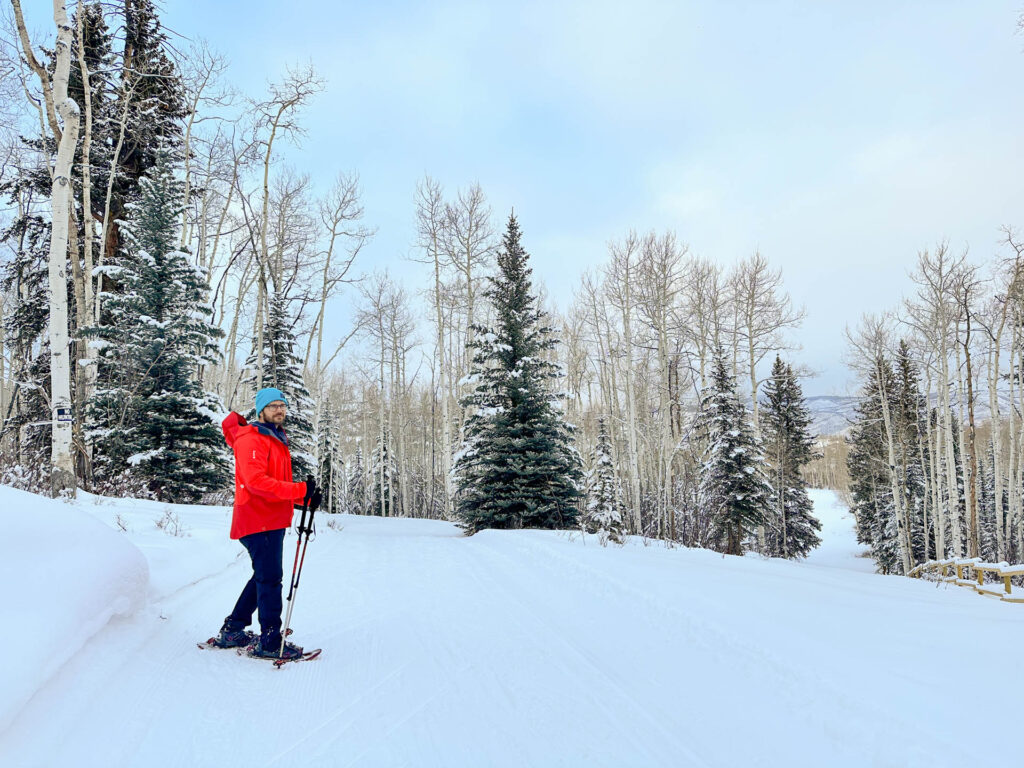
Shell jackets, also known as hardshells or simply shells, are a tremendously important and versatile piece of outerwear. Especially for folks who live, travel in, or regularly visit the mountains. We’re big fans. Like a windbreaker in warmer temps, shells are an invaluable piece of kit whether you’re hiking in the rain, snow, cold or wind and need protection from the elements. They can be worn on their own in warmer weather to protect you from downpours, over an insulated jacket to stay warm, donned whenever you need a windproof layer, or when carving fresh powder on a bluebird day so you stay dry and comfortable.
And one high quality shell can last for years if not decades (as long as you take care of it). Which is good, because quality shells are rarely inexpensive. But if there’s one piece of gear where the phrase “buy once, cry once” applies, it’s shells. As in: they’re worth the investment.
Fortunately, we’ve tested plenty over the years and these are the best sustainable, durable, quality jackets for all manner of outdoor activities.
What is a shell jacket?
First things first, though: In case you’re not familiar with the terminology, a shell–or hardshell–is a tough, durable, waterproof outer layer, often one meant to be worn over other layers (especially in the winter). Think of it like a burly, overbuilt rain jacket, but for more extreme conditions.
In fact, you might see some extra tough rain jackets referred to as rain shells. But mostly the term includes hard-wearing outer layers suitable for winter conditions, mountaineering, snowboarding and skiing, etc. that are designed to stand up to the rigors and abuse of mountain environments–be they ski resort slopes or backcountry summits.
What to Look for in a Shell Jacket
If you’re searching for your first shell (or your first in a long time), there are a few things you may want to look for depending on how you plan to use it.
- Zipper Vents: Also known as pit vents, these long zippers, usually under the arms, let you vent the jacket and dump heat when you’re working hard or you can keep the zips closed if it’s extra cold, windy or rainy. No matter what I’m doing in my shell, I want pit vents for versatility in a range of climates.
- Pockets: How many pockets you need depends on what you’re doing and personal preferences. When hiking in cold weather, I’m fine with just a couple zippered hand pockets and a chest pocket. But during snow activities, I like to have more pockets inside and out to stash gloves and snacks (so they don’t freeze in my backpack).
- Helmet-Compatible Hood: This one largely depends on preference. If you only hike or nordic ski in your shell, you probably don’t need a helmet-compatible hood because it will be obnoxiously roomy. But if you ski, snowboard or climb, you need a hood that fits over a helmet for those really cold, blustery days (and slow, breezy chair lifts).
- Waterproofing: Pretty much all shell jackets are waterproof and PFAS-free these days, but consider whether you’d prefer to opt for a lighter weight shell with a durable water resistant (DWR) treatment (sometimes better for simple hikes and backpacking) or something heftier with a full waterproof membrane (like Gore-Tex, E-Vent or Xpore). The latter will be stiffer and less packable, but more durable and protective. Remember: You can re-treat waterproof outerwear, including Gore-Tex, by washing it with a purpose-built solution.
- Packability: Depending on your activity of choice, packability may be important. If you’re spending the day on the slopes, you’ll probably keep your jacket on the whole time. But when hiking or snowshoeing, you may need to occasionally shed a layer if you’re working hard and it’s not actively raining, snowing or blowing. If that’s the case, you probably want something that’s lightweight and packable so you can easily stash it in your backpack.
The Best Shell Jackets for Winter
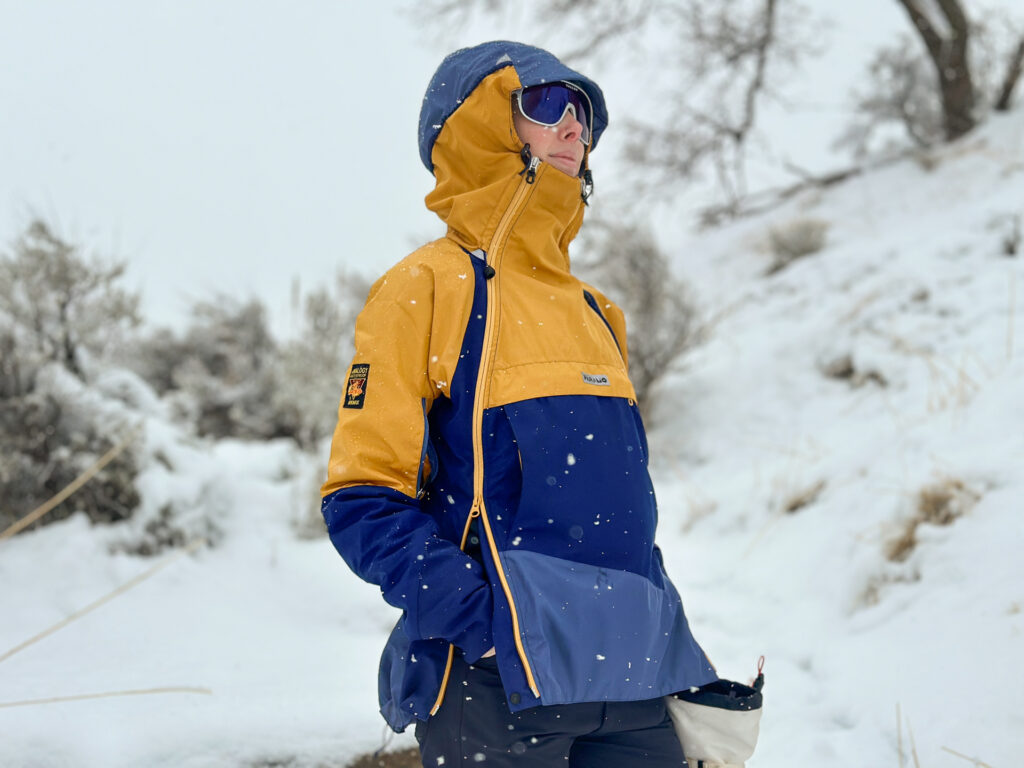
Páramo Velez Evolution Hybrid Smock: The Ultra-Flexible, Versatile Shell
We reviewed the Páramo Velez Evolution Hybrid Smock in full last winter, so go check out that article for more details. But this jacket is a unique stand-out in this line-up for a few reasons. First, it doesn’t have a traditional waterproof membrane. Instead, the lining and outer fabric work together to move water (in the form of both vapor and liquid sweat) from the inside of the jacket to the outside. Most membranes can’t handle liquid sweat and so moisture can build up in the interior. That’s less likely to happen in this shell.
Second, it’s made of more standard recycled polyester fabric instead of stiff shell material and is lined with an even softer and more breathable fabric, so it feels more like wearing your favorite sweater. That means it’s more easily repairable: you can simply stitch it up if you get a snag or hole instead of having to get a special patch. It’s warmer than a standard shell, too, meaning fewer layers may be required depending on what you’re doing outside.
So it’s warmer, comfier, more flexible, more breathable and still incredibly waterproof, but also on the heavy side for a shell.
How it’s sustainable: Repairable, recycled and recyclable (circular), plus the brand is an employee-owned business with Fair Trade status and partners with the Miquelina Foundation in Colombia, which offers training and employment specifically for vulnerable women trapped in exploitative situations.
Sizes Available: XS-XL for women, S-XXL for men. Athletic fit.
Pros:
- Easily repairable
- Flexible
- Warmer than average
- Lots of pockets
- Highly adjustable
- Arm vents and front zipper vents
- Breathable
Cons:
- Heavy for it’s size
- Better suited for hiking than skiing and snowboarding

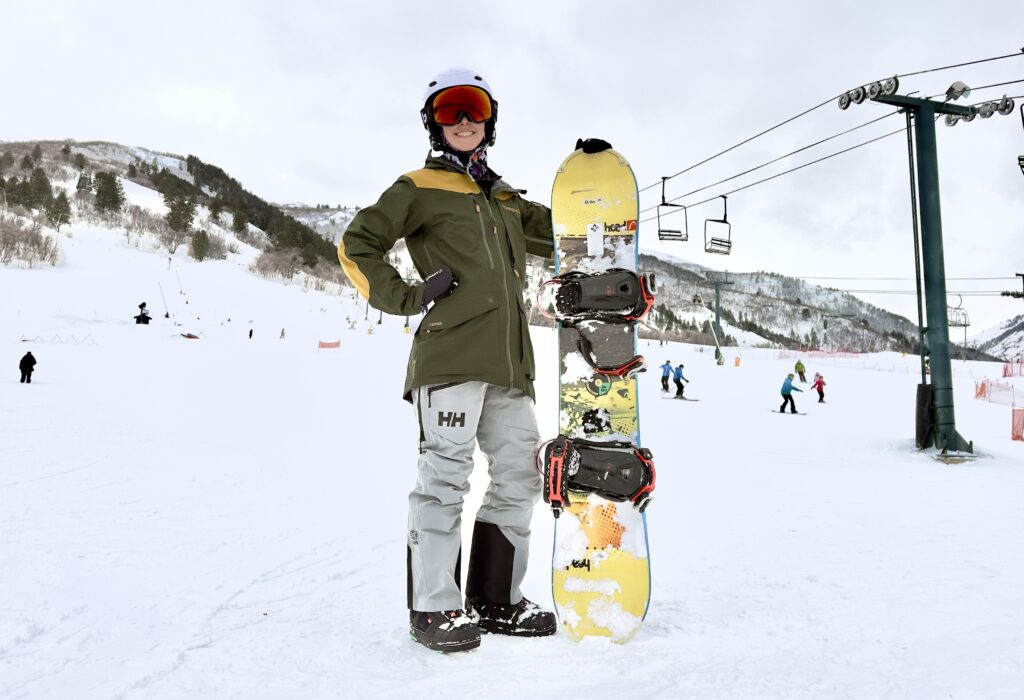
Backcountry Cottonwoods LT Xpore Jacket: From Resort to Backcountry
It doesn’t matter whether you’re counting laps at your favorite local resort or ski touring in the backcountry, this jacket can handle it.
It has the standard stiffness and crunch of most other shells, but feels ultra protective, a slightly textured surface makes it feel more durable, and the Xpore waterproof membrane that was designed specifically for Backcountry works at least as well as Gore-Tex, if not better.
It has all the bells and whistles you expect from a high quality shell, including plenty of pockets (yes, there’s one on the sleeve for your lift ticket), a high collar, hood that can lock onto the collar, long hem, and room for layering. There’s a powder skirt and adjustable cuffs, hood, and hem. There’s even Recco tech built into the hood to aid in backcountry rescue and recovery missions.
It is designed for skiing and snowboarding, but it can absolutely crossover and perform during all manner of mountain sports, including hiking. Bonus: it’s a serious shell for a more affordable price than many of its direct competitors.
How it’s sustainable: The outer material is 100% recycled nylon, the lining 100% recycled polyester, Bluesign approved.
Sizes Available: XS-XL for women, S-XL for men. This shell runs large. I wore an XS and it swallowed me even with several layers on. So folks with long arms rejoice!
Pros:
- Helmet compatible hood
- Plenty of pockets
- Waterproof membrane
- Durable
- Adjustable
- Slight stretch
Cons:
- The Velcro on the collar can scratch your face and catch on apparel
- High collar is stiff
Norrøna Tamok Gore-Tex Performance Shell: Freeride and Around Town
If there’s a hardshell that looks just as at home in the backcountry as on snowy or rainy downtown streets in your favorite trail town, it’s the Norrøna Tamok. The extra-long drop hem and minimalist design make it look especially stylish (particularly for women) but also offer more protection from rain and snow without looking as much like a piece of technical mountaineering equipment.
What’s more, it’s sized just right for moderate layering, has tons of functional pockets, there are wrist gaiters built in (once you try them you can’t go back), and chest and underarm ventilation. It’s crafted with Gore-Tex’s ePe membrane that’s PFAS-free and is supremely waterproof and windproof, plus highly breathable.
The material is durable and there is extra protection on the shoulders and elbows–high wear points. I’ve worn this jacket at ski resorts and to snowshoe and it’s equally well suited for both. That said, it doesn’t pack down super small if you need to shed a layer on the trail and it’s a touch on the stiff side, not unlike other shells in this category.
How it’s sustainable: Bluesign Certified fabric, recycled fibers (more than 50% of synthetic fibers in this product are recycled), Oeko-Tex Certified fabric, PFC-free DWR. The brand is transparent about their factories and worker wages.
Sizes Available: A few low-key colors, XS-L for women (European brands don’t tend to be very size inclusive) and S-XL for men.
Pros:
- Helmet-compatible hood
- Long hem for protection
- Lots of pockets
- Pit vents
- Stylish
- Minimalist design
Cons:
- Expensive
- Stiff material
- Not size inclusive

Fjällraven Bergtagen: The Trekking Shell
We wore this lovely orange shell when backpacking with Fjallraven in Patagonia last winter (Summer?) for the brand’s first ever Fjallraven Classic Chile! Not sure what the Classic is? We wrote all about the USA Classic in this post. But this hardshell was designed for more than Patagonia’s infamous rainy season; it’s suitable as a snow shell, too.
That said, it is more specifically designed for hiking and backpacking than snow activities. However, we’ve snowshoed in it and even hit the slopes on trips when we only had space to bring one jacket.
The hood is adjustable and two chest pockets are big enough to stash your phone and snacks. There are no traditional hand pockets, but extra long zipper vents on the side offer access to pockets in any insulated jacket or midlayer you may be wearing underneath.
The brand is based in Sweden, so the hem and arms are plenty long, but a bungee in the hem and velcro on the wrists keep it all in check for shorter wears. And since the fabric is more pliable than many shells, it’s more comfortable and offers more freedom of movement.
How it’s sustainable: The Bergtagen Eco Shell, like the more lightweight Bergtagen Lite, is PFAS-free and made partially of recycled materials. Plus, unlike most other clothing from the brand, there’s no leather patch, so it’s vegan, too.
Sizes available: XS-XXL in women’s, XS-XXL in men’s. There’s plenty of room for layering without sizing up.
Pros:
- Helmet-compatible hood
- Pit vents
- Lots of stretch
- Softer, more flexible material
- Long zipper vents/midlayer access
- Lighter than many hardshells
Cons:
- No traditional pockets
- Fewer bells and whistles
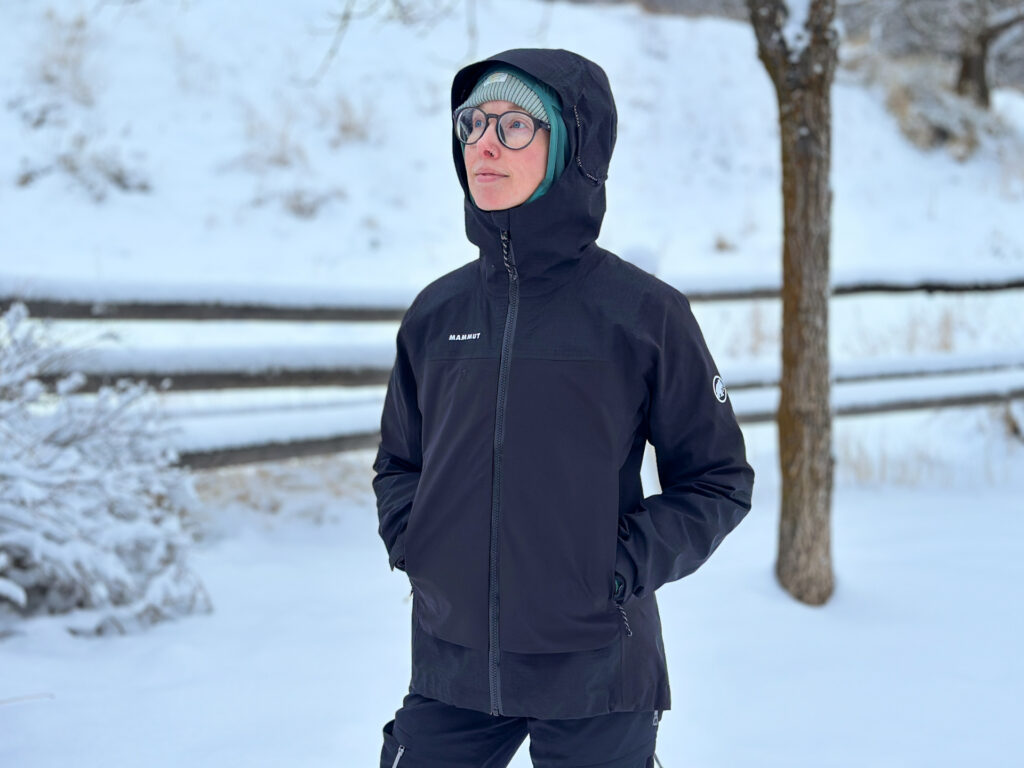
Ducan Guide HS Hooded Jacket: The Hiking Shell
If you’re looking for a shell that seamlessly spans the gap between a more traditional rain jacket and more durable hardshell, look no further than the 3-layer Mammut Ducan Guide HS. It’s lightweight (though not ultralight), tough, well-designed, and comfy, too. Perfect for long days on the trail (with or without a heavy pack), multi-day adventures, canoe trips, light mountaineering (like I did on an excursion in Banff) and you could even wear it for a day of skiing or snowboarding if you’re traveling, tight on packing space, and need one jacket that can do it all.
I’m a big fan of the pockets, which are pleated at the bottom so they expand to fit loads of items like gloves, a headlamp, pocket knife, phone, you name it. And while the hood (which is roomy but not helmet-compatible) only has one adjustment point, I found it more than adequate for cinching the hood in rainy weather.
Rain and snow bead and roll right off, it’s tolerably breathable, has pit zips for extra venting, and is totally packable. Plenty of stretch means freedom of movement is top tier and a bungee in the hem keeps wind and rain out on blustery days.
It definitely looks like a shell, what with the reflective bungee on the exterior of the hood and the ripstop material on the sleeves, so some may not find it as well-suited for an around-town jacket, but I found it a well-fitting, functional and comfortable shell jacket.
How it’s sustainable: The Duncan Guide Jacket is PFAS-free and made of partially recycled materials, is a Bluesign Product and Fair Wear certified.
Sizes available: XS-XXL in women’s, XS-XXL in men’s. There’s plenty of room for layering without sizing up.
Pros:
- Pit vents
- Lots of stretch
- Softer, more flexible material
- Large hand pockets
- Lighter than many hardshells
Cons:
- Hood isn’t helmet-compatible (making it slightly less versatile)
Bottom Line
Shell jackets are so much more versatile for travel and all manner of winter activities than bulky insulated jackets. Sure, the latter does well on cold days at the ski resort, but a shell functions well at the resort, when backcountry touring, uphill skinning, cross-country skiing, snowshoeing and hiking in the winter (or in blustery, cold, or rainy seasons). With the strategic application of appropriate layers, a shell can be the only technical jacket you need and if you take care of it, it will last for years (and years). Is a good one an investment? Yes, but one that will pay dividends in fun, comfort and protection for many, many seasons to come.




![4 Insulated Sleeping Pads So You Can Sleep Warm While Winter Camping [2026]](https://terradrift.com/wp-content/uploads/2021/11/maxresdefault-1-768x432.jpg)

Thanks for being genuine