How to Survive Backpacking in Rainy Season: The Best Gear for Hiking in the Rain
I’m certain no one enjoys backpacking in the rain. At least not if precipitation lasts for more than about 30 minutes. Add cooler temps, no sun and days of downpours in a row and you have a solid recipe for misery. But that doesn’t mean you should let a little rain totally derail your trip.
As they say, there is no bad weather, only bad clothing and gear. Fortunately, there’s plenty of good gear out there that will help keep you dry and at least reasonably happy even when the weather turns. So if you’re heading into the wilderness during the rainy season, pack this gear to help you hike in the rain more comfortably.
Hiking Rain Gear: Clothing and Gear for Hiking and Backpacking in the Rain
Keep yourself and your stuff dry no matter how many hours (or days) you’re on the trail trekking in rain.
Rain Jacket
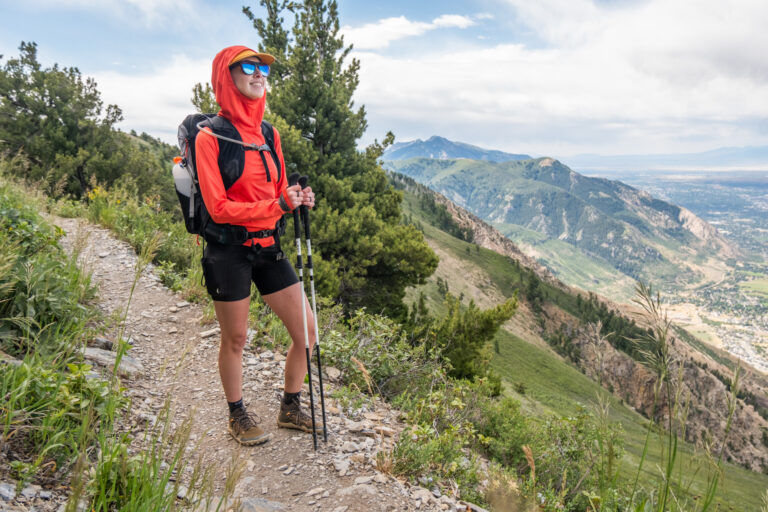
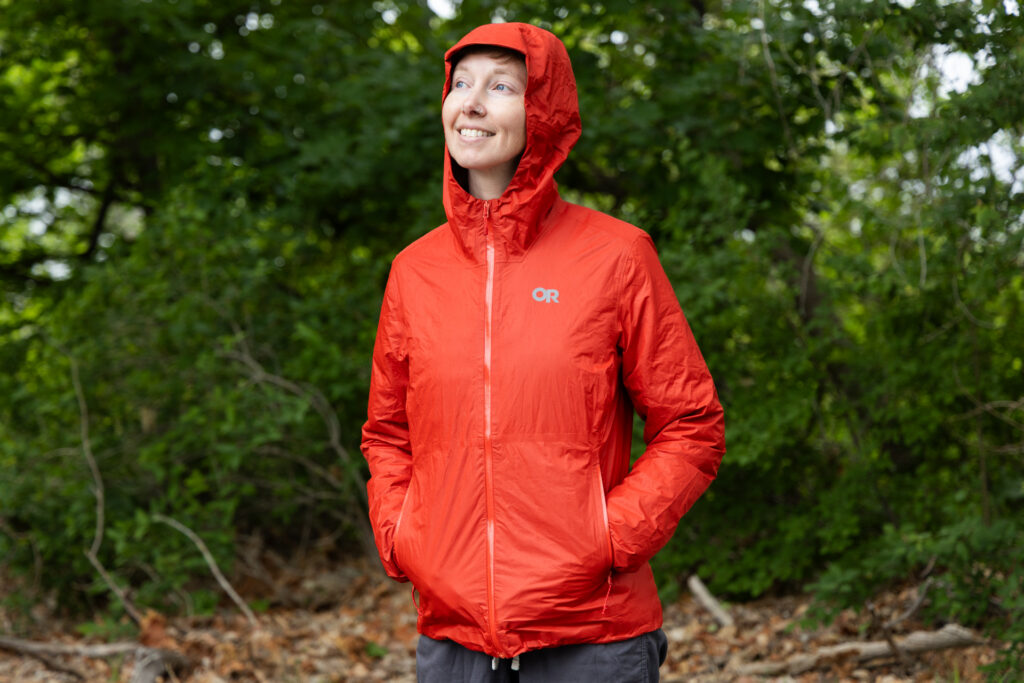
When hiking in the rain, a rain jacket is a given. We love a UL rain jacket for backpacking, but they do sacrifice a bit of functionality and durability, so they’re best for when there’s a chance of rain for a few hours at a time vs back-to-back all-day downpours. If you’re not worried about weight, look for a jacket with features like underarm vents for breathability, an adjustable hood and zippered hand pockets and a waterproof rating of at least 20,000.
A poncho is also an option and can be more breathable, but if the wind picks up, ponchos are about useful as a screen door on a submarine.
Our favorite rain jackets
- Outdoor Research Foray/Aspire: This jacket isn’t ultralight, but if you aren’t counting ounces, it’s one of the most durable, functional rain jackets we’ve ever tested.
- Rab Phantom: Ultralight, ultra packable and protective, we love this rain jacket for ultralight expeditions when we’re expecting sporadic light to moderate rain.
Rain Pants
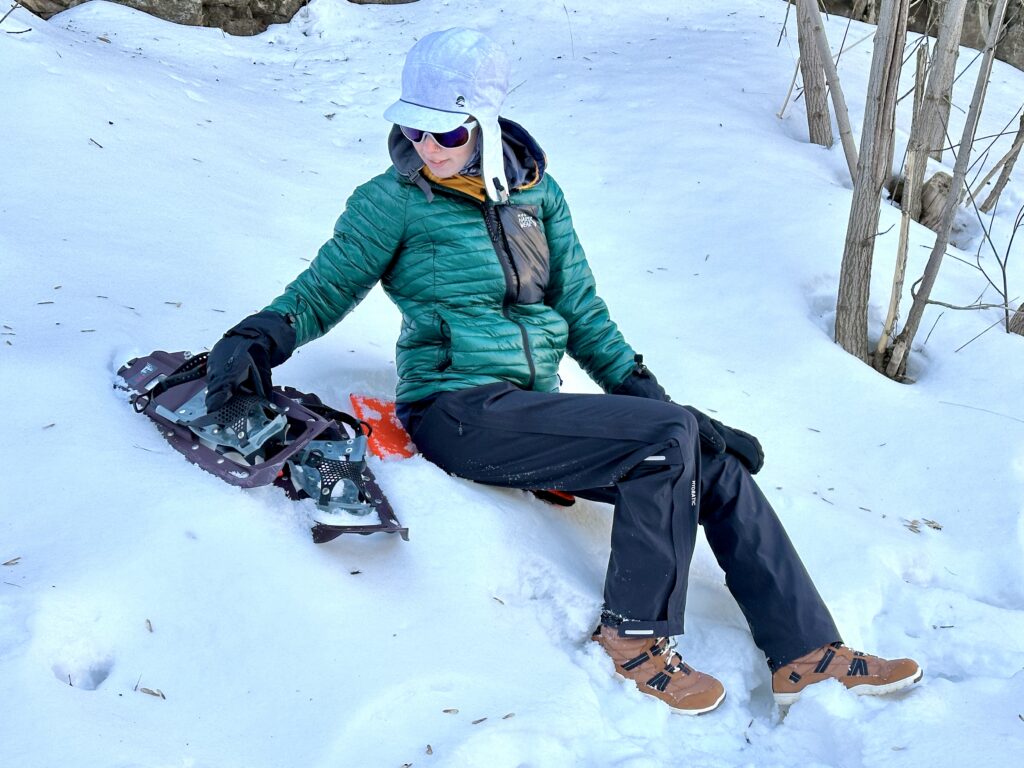
Warning: rain pants do NOT look cool. But if you regularly hike in wet weather or snow, waterproof pants are a must-have.
They’re often made of durable waterproof materials and can get a bit hot in warmer weather, but are guaranteed to keep your lower half dry. Look for a pair that has zippers or snaps down the legs for easy on-off and venting.
Our favorite rain pants
- Fjallraven High Coast Hydratic Trail Trousers: With zippers that go way up the leg plus Velcro fasteners for easy venting, these are the best pants for hiking in the rain.
Midlayer
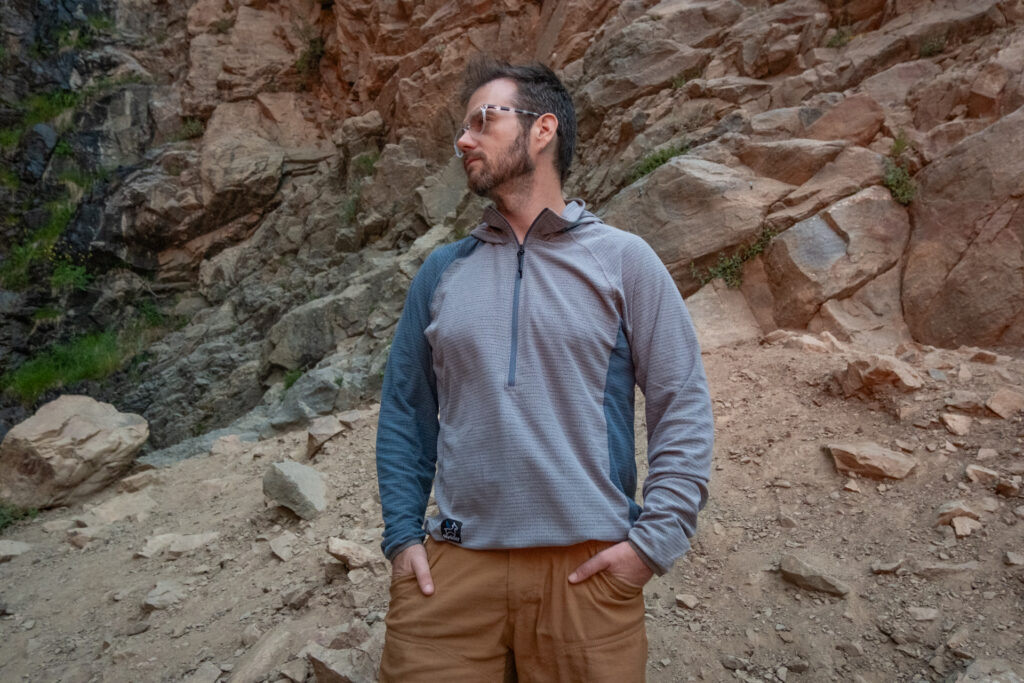
Whether it’s cool out or the wet and humidity is just making it feel cooler, a mid layer that’s both breathable and fast-drying is essential. When it’s colder, you may want to opt for a synthetic packable jacket that still keeps you warm even if it gets wet (down doesn’t do that).
When it’s milder, consider an ultralight fleece that still breathes well if you unzip your rain jacket, insulates better that you think when you’re all zipped up, and dries in no time flat.
Our favorite midlayers
- Norrona Falketind Warm1 Active Layer: Ultralight, ultra packable, super soft and plenty stretchy, this zip-up can be worn with rain gear or without when the precipitation stops.
- SkyGoat Air 70: Josh’s favorite new ultralight mid layer looks like a grid fleece but acts like a hyper-breathable UL fleece.
Waterproof Backpack
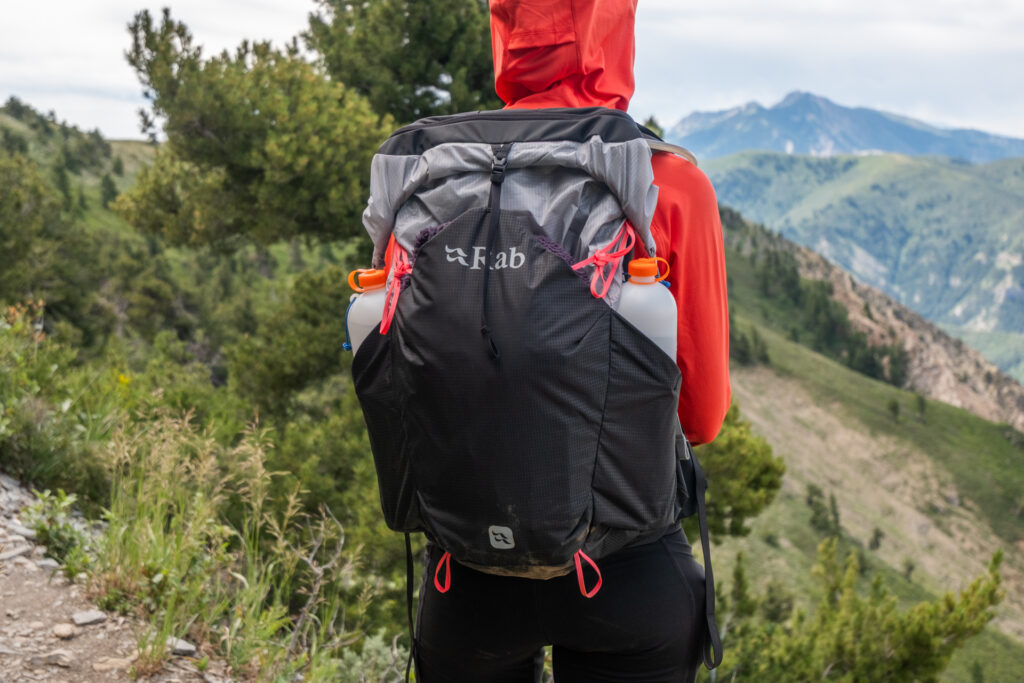
Most backpacks aren’t 100% waterproof in all conditions, but many these days come pretty dang close and at most, might leave a few items in your pack just a touch damp. But that’s way better than traditional nylon or polyester packs that soak through in minutes. Especially since pack liners are fussy and pack covers plain don’t work.
Most waterproof packs are made of Dyneema, Xpac, or ALULLA (but not always). All of which are expensive materials. But what you give up in savings you’ll get back in peace of mind and dry gear. In our opinion, it’s worth it even if you only hike in the rain occasionally.
Our favorite waterproof backpacks
- Mountain Hardware Alakazam: It might not be budget-friendly, but it’s about the most comfortable, functional pack money can buy. Almost entirely waterproof.
- Rab Syclon 28: We love this pack because it’s comfortable, functional, and yes, waterproof. Perfect for big day hikes.
Trekking Poles
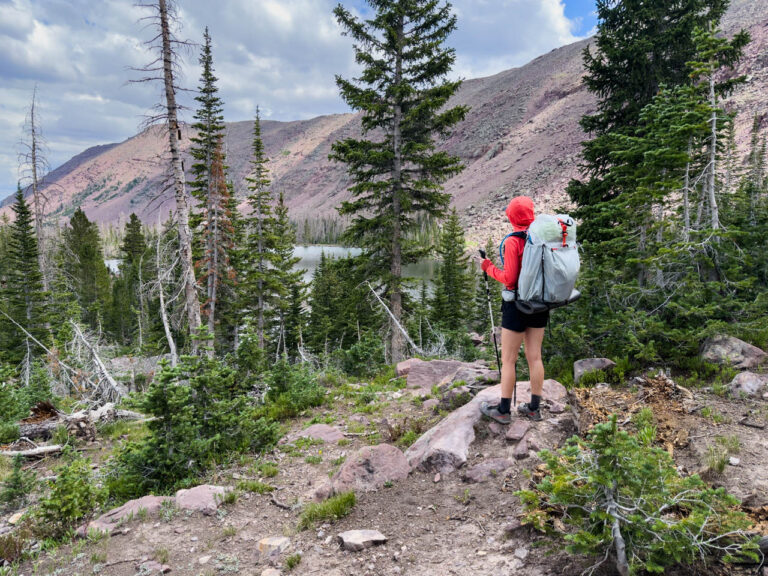
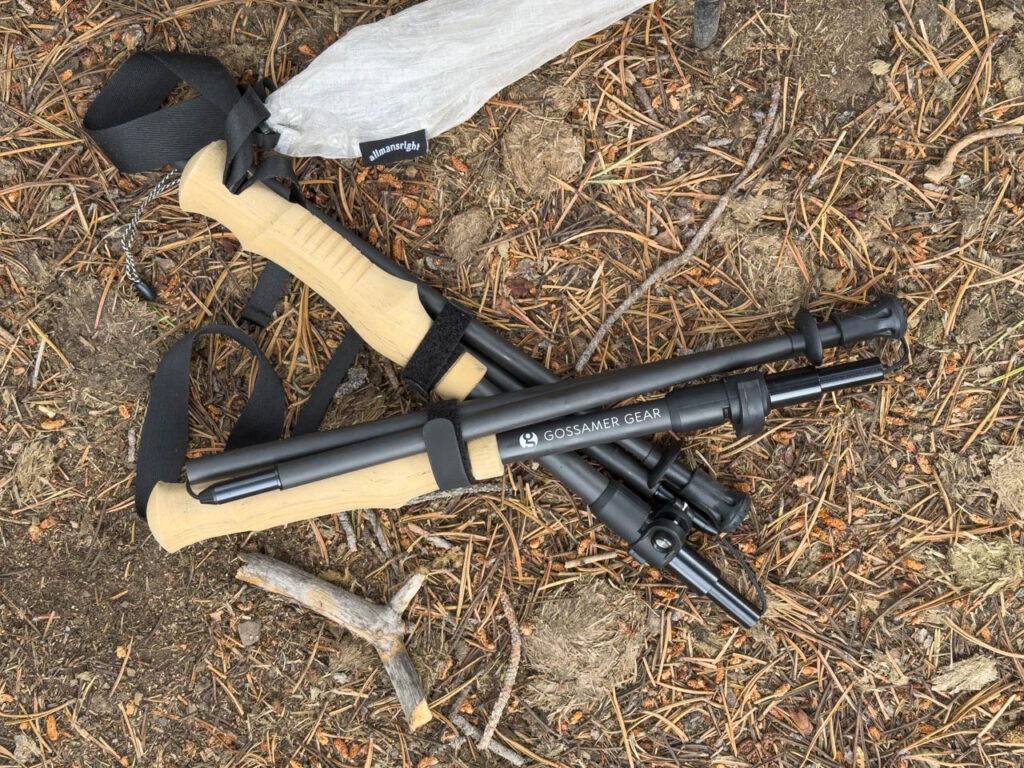
Even if you don’t usually hike or backpack with trekking poles, doing so in rainy weather may be a good idea. Rocks can by slippery, slopes muddy, and water crossings high. Not to mention you really don’t want to end up in a creek because the log bridge was wet and you lost your footing. Trekking poles can help keep you upright.
We typically opt for ultralight trekking poles since we’re ultralight backpackers. Those options tend to pack down smaller, be much lighter, and are made of materials like carbon fiber. But you don’t need anything that fancy. Aluminum varieties from your local outdoor store will do the trick, too.
Our favorite trekking poles
- Gossamer Gear FT3 Folding Poles: For tall hikers only, these folding poles are about as light as they come.
- Leki Skyterra: Ultralight, easy to use and compact, these folding poles are perfect for a range of hikers.
- Cascade Mountain Tech Trekking Poles: Like we said, you don’t have to drop $100+ on poles. These are solid, sturdy, and work great. They’re just not ultralight.

Cap
While not “necessary,” strictly speaking, a cap of some kind can be handy when hiking in the rain (especially if you wear glasses). A ball cap-style hat with a brim is the best choice because it fits cleanly under a rain jacket hood and keeps rain off your face.
Any cap will do, but synthetic varieties will wick sweat and dry faster after a downpour than cotton or other natural materials.
Our favorite hiking hats
- REI On the Trail Cap: Soft, flexible fabric and a slew of colors and neutrals are the icing on the cake of a hat that just fits and feels right.
- Outdoor Research Swift Cap: This hat fits well on larger heads, is breathable and fits well under a hood.
Gloves
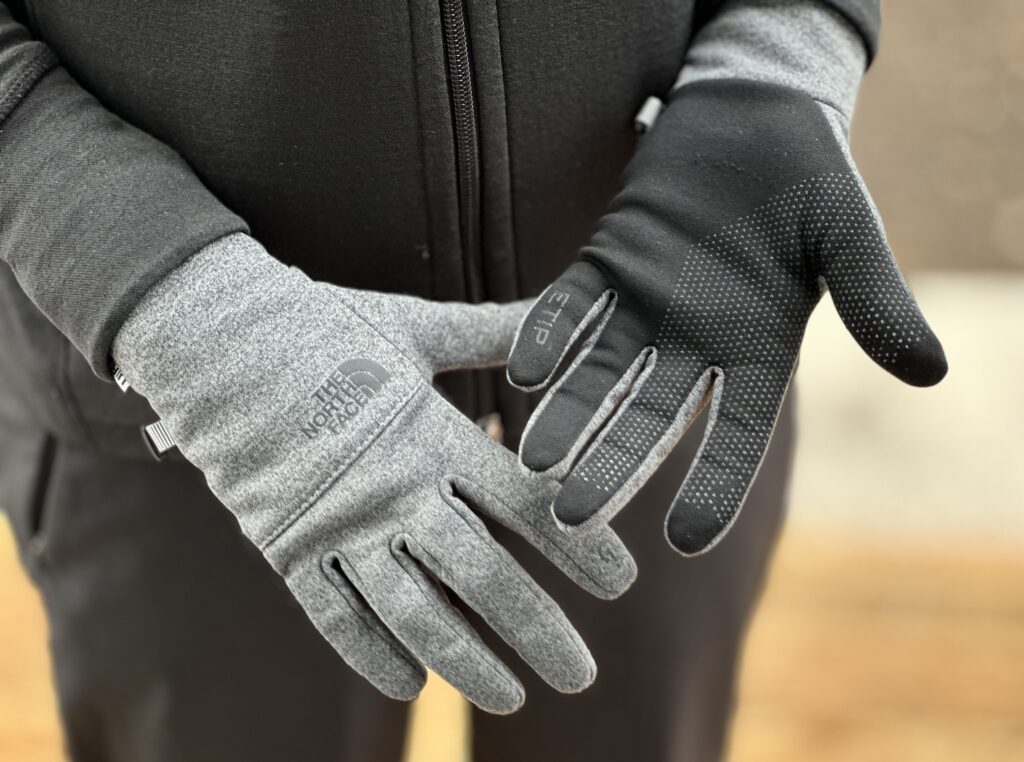
You might be surprised by how handy a pair of gloves becomes in wet weather, even when it’s not that cold. So if rain is in the forecast and it’s going to be colder than about 70ºF, you might want to pack a pair of gloves. In mild to cool temps, I prefer a pair of lightweight liner gloves underneath waterproof rain mitts.
Our favorite gloves
- Outdoor Research Helium UL Rain Mitts: These are the best gloves for hiking in the rain and can be worn on their own or over a lightweight pair of liner gloves for protection from windchill and water.
- The North Face E-tip Gloves: After several season, these lightweight gloves are still our favorites for cool mornings and wearing under rain mitts.
Waterproof bag or case
Especially if your pack isn’t waterproof, it’s a good idea to carry a waterproof hip pack or storage solution for sensitive electronics or equipment like phones, backup batteries or paper maps.
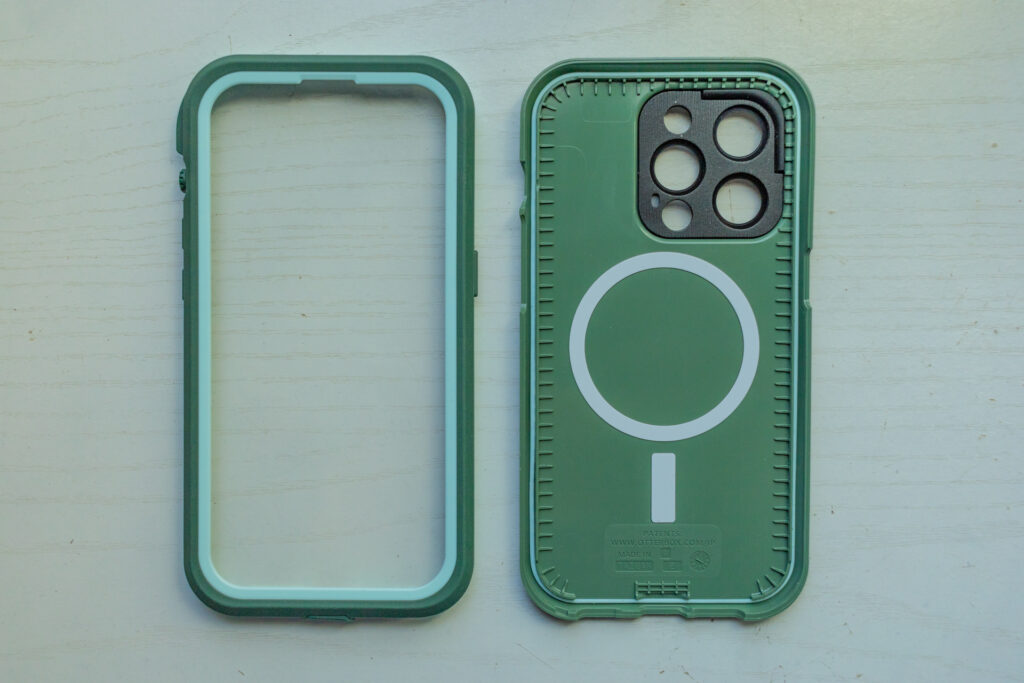
Bring a waterproof phone case at the very least or, if nothing else, a zip-top bag (we like reusable varieties).
Our favorite waterproof vessels
- Otterbox Fre Series: If protecting your phone is the priority, this waterproof phone case will absolutely do the trick.
- Nite Ize Runoff: This fully waterproof and submersible hip pack is guaranteed to keep your stuff safe and dry.
The Right Shoes
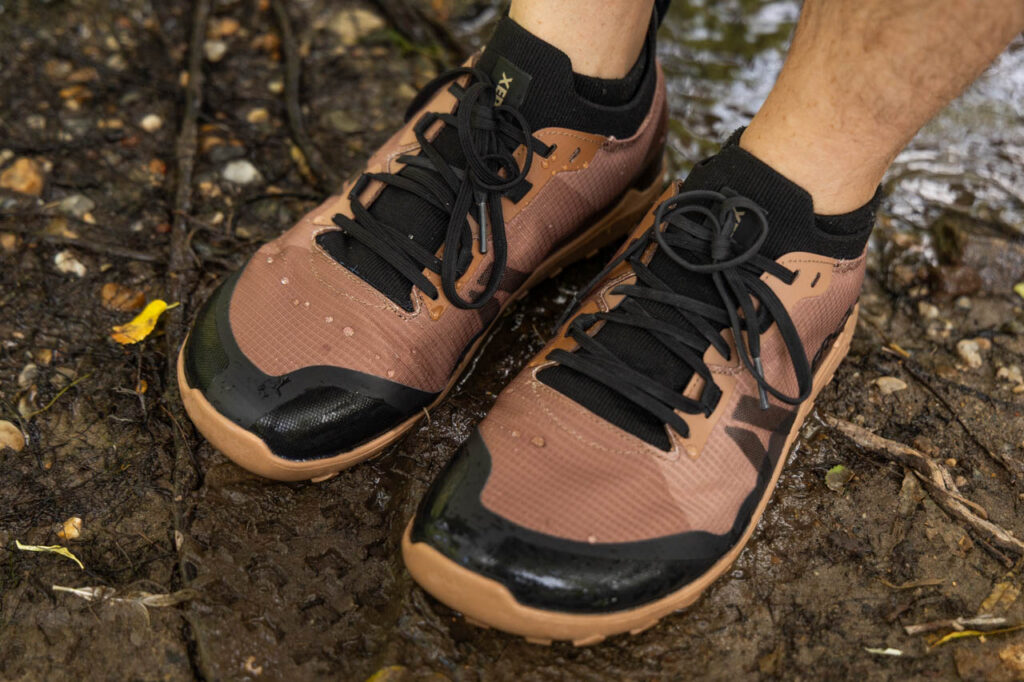
Notice I said “the right shoes” NOT “waterproof shoes.” Because waterproof hiking boots aren’t always the best choice for every trip or trail.
We’re big fans of barefoot shoes, so all of our favorites are at least minimalist if not fully barefoot in features and functionality. But the rule of thumb for deciding between waterproof shoes or not:
If it’s cold and wet with maybe shallow creek crossings, go waterproof. If it’s warm and/or there are high creek crossings or days of rain, go non-waterproof.
Our favorite hiking shoes
- Merrell Trail Glove: Non-waterproof, light, low-profile and minimalist, these shoes are rugged enough for techy trails.
- Xero Mesa Summit WP: These barefoot style shoes are flexible and lightweight, waterproof, and feature a rock plate for a touch of extra protection.
- Bahé Rediscover: Want a more robust, mid-rise waterproof boot? This one features grounding technology and a zero-drop, minimalist structure.

Camp Shoes
We always pack camp shoes when we backpack, but when it’s wet outside, it’s extra important so you can get your feet out of your wet kicks and give them and your toes more time to dry out.
In warmer months, opt for a pair of lightweight hiking sandals. We like kinds without toe posts that can easily be worn with socks (even though we mostly hike in toe socks). In the winter or cooler weather, swap sandals for lightweight camp slippers. Bonus if they have a solid rubber sole so you can mill about camp.
Our favorite camp shoes
- Xero Shoes Z-Trail: These are lightweight, comfy, flexible, and let your toes stretch.
- The North Face Thermoball Traction Mules: For ultimate coziness and a durable sole, these are a bit heavier but perfect for around camp.
- Xero Shoes Pagosa Fireside: Light, warm and functional, these slippers are perfect for wearing around camp and beyond.
Bottom Line
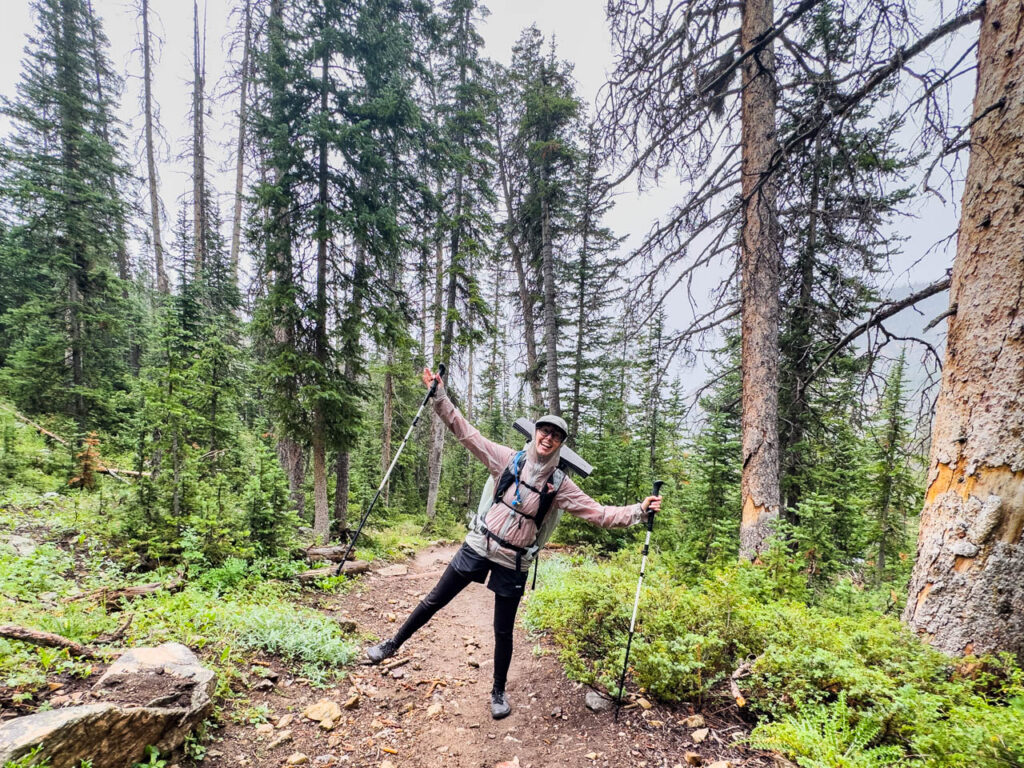
This is some of the best rain gear for hiking and backpacking that we’ve used over the years and can honestly recommend it. So gear up confidently and don’t let precipitation derail your weekend plans. Wander on.