Expert Tips for Beach Camping (Because Sand Changes Everything)
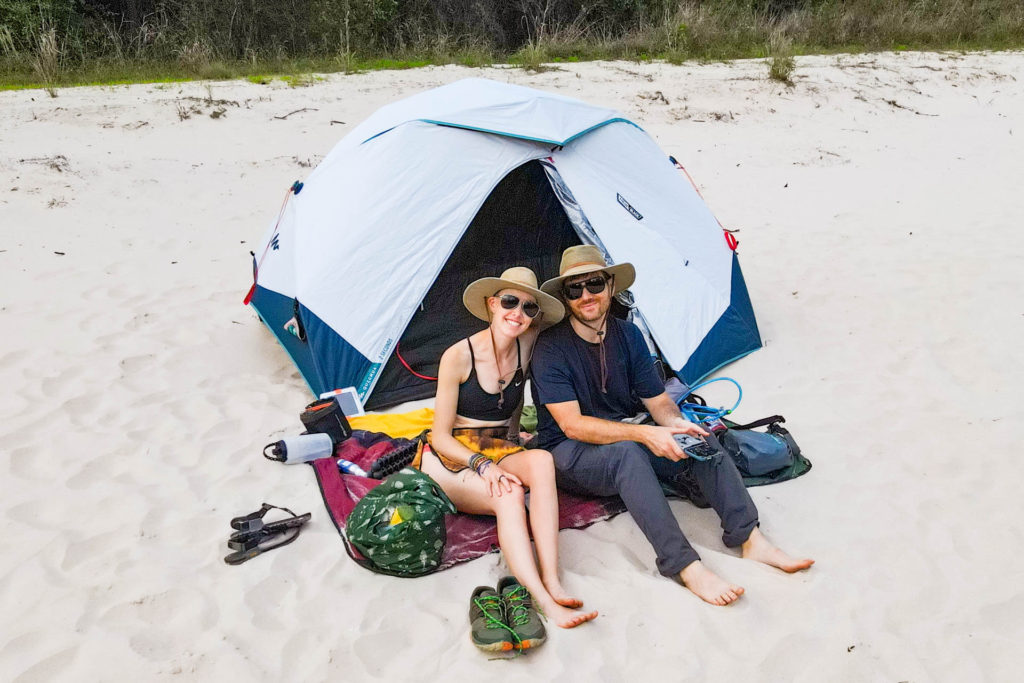
Check your calendar, yo, because it’s summer! And then means a whole lot of folks will be headed to the beach in short order. And while many beach trips only last a few hours, if you’re planning on spending the night, you’re going to need more than a cooler full of snacks and sunscreen. So here are our expert tips for beach camping, brought to you by lots of experience (and really sandy feet).
What to Bring Beach Camping
First things first: time to pack the car with the right gear. Sure, most of the stuff you’ll need for beach camping is more or less the same stuff you need for any other type of camping, but there are a few differences. Mostly having to do with sand…
- A tent. Preferably one that can stand up to some wind as it can get pretty breezy on many beaches. If wind is in the forecast, consider tent stakes designed with sand in mind or plan to tie your tent down to some big ‘ol rocks. Tents with bathtub style floors will help keep the sand out. But ultralight tents have proven tricky.
- A shade shelter. Gonna be spending most of your days (not just nights) on the beach? Consider packing some sort of shelter or extra large beach umbrella, too. You’re gonna want somewhere to hang that’s not in the sun.
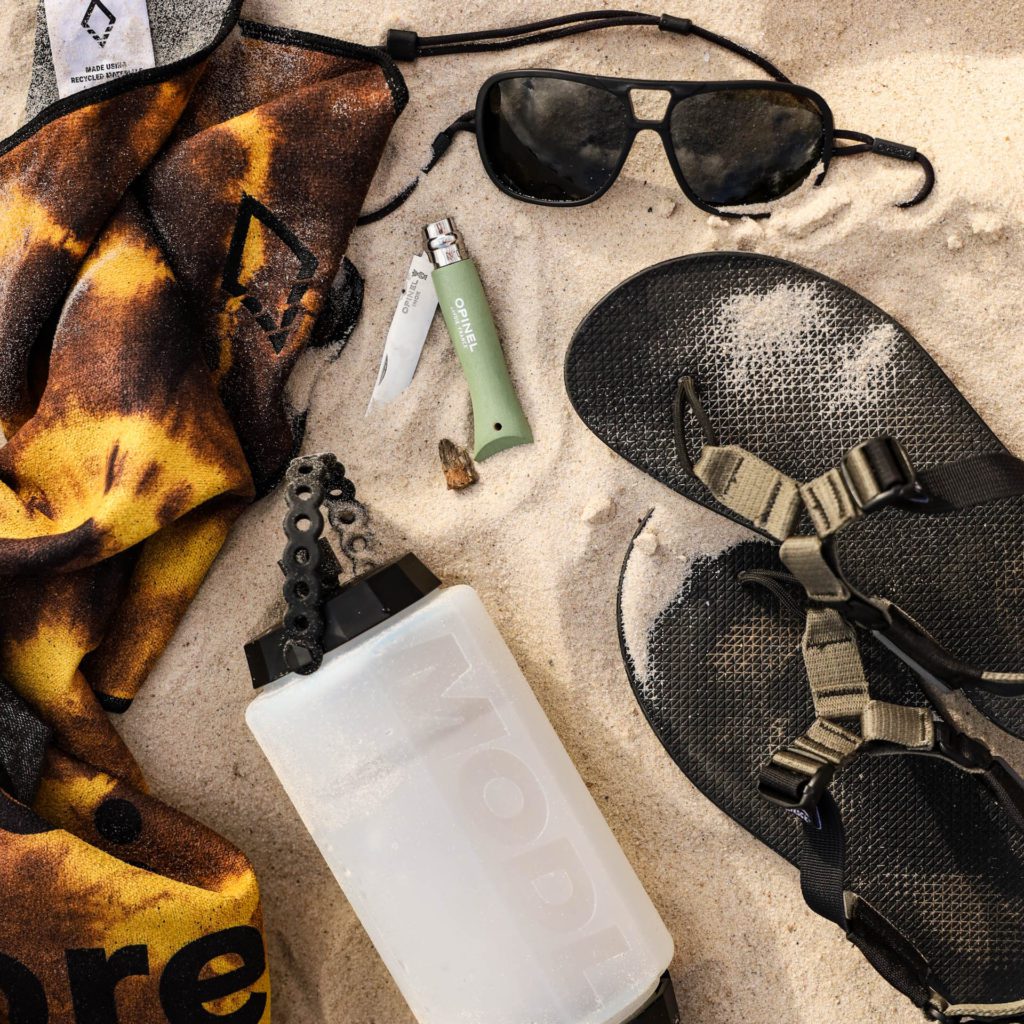
- A towel. Duh, right? But ditch the traditional beach towels for something like a Nomadix travel towel. Why? Not only are they made of recycled plastic bottles, but sand doesn’t stick to them! True story!
- A beach blanket. Might we recommend the Coalatree Kachula Adventure Blanket? It packs up into a small pillow when you’re not using it, is big enough to share when spread out, resists sand and liquids, and can even be turned into a poncho courtesy of a removable hood! Win.
- Sunscreen. Obvs. Might we recommend one of these excellent reef-safe sunscreens?
- Plenty of water. Fill those water bottles, hydration reservoirs or water cubes and make sure you’re drinking enough replenish what the sun sucks out of you.
- A Squeeze Bottle. In addition to drinking vessels, bring something squeezable like a sport bottle for rinsing sand off your feet before you get into your tent.
- A red light. Whether you’re stargazing or camping on a beach where sea turtles are known to nest, you need a red light. Check out one of these headlamps–or our fave, the shiny new LuminAID Titan–and snag one with a red light function.
- Insect repellent. Not all beaches are swarming with insects the minute the sun goes down, but personal experience involving sand fleas and swarms of mosquitoes in plague proportions has taught us never to leave home without it. Check out these cruelty-free, deet-free insect repellents.
- Furniture. While you might be able to find some driftwood to sit on on the beach, we’ve found it’s a lot more comfortable to lounge if we have chairs. Check out some of our favorite camp chairs here. Then, bring a small table. In the event there’s no picnic table near where you’re camping, you’ll end up with a lot less sand in your dinner if you don’t try to cook right on the sand.
- A small broom and dustpan. It’s immensely useful for longer trips, because sand will find its way into your tent at some point, no matter how hard you try to keep it out.
- A quality cooler. Beach camping is where high-quality coolers really shine. A cheap grocery store model will do, but opt for a sustainable model like these Igloo EcoCool models or, if you don’t want to have to keep refilling ice, this solar-powered cooler from Dometic.
- Sandals. Don’t even bother with sneakers or boots. They’ll get sand in them and it won’t come out for weeks. Check out some of our favorite hiking and adventure sandals in this post.
Tips for Beach Camping
So you’ve got the gear. Now what? Most savvy beach campers have learned how to do it the most comfortably via experience, but here are some beach camping tips to get you started.
- Leave your tent fly on during the day. Take it off for even a few hours and everything inside will be covered with sand and salt spray.
- Before you pitch, smooth out the sand around the area you’ll be sleeping. You may think sand is soft, but one big lumpy mound in the middle of your back won’t feel so soft at midnight.
- Be wary of tides. Don’t just show up at the beach, pitch your tent, and call it a day. You could be in for a very soggy surprise if the tide comes in in the middle of the night and floods your tent. So check tide charts, or at the very least, look to see where the line of seaweed is on the sand from the last high tide and plan to camp at least as far from the water as that.
- Secure your rubbish. The last thing you want when beach camping is to guiltily watch an empty potato chip bag catch the wind and fly off into the water. So secure your trash using either a portable lidded trash can or a cinched bag that you keep inside your tent or car.
- Respect posted signage. That goes for no swimming signs, notices prohibiting fires, and requests to stay off certain areas, like dunes or nesting sites. And don’t camp where you’re not allowed. This should be a given, right? But if beach camping isn’t allowed, uhh…don’t camp there.
- Building a fire? Dig a pit. Make it between 6-12 inches deep to shield your fire from the wind. This also makes it super easy to use as a grill pit. Just throw a grill grate over the flame and roast those veggie burgers or dogs! When you’re done, douse the fire with water completely until it is cool to the touch, then fill the hole with sand. And consider buying wood from a nearby store or park office as there’s rarely much dead and downed wood to be had at the beach.
Bottom Line
Don’t let a little sand stop you from getting out to sleep on the beach this summer! Just remember to follow local rules and regulations, pack wisely, and enjoy waking up to the wind and waves right outside your door! Wander on!