The Piece of Gear I Always Forget (And How I Fixed the Problem)

There’s nothing quite like that sinking feeling you get when you’re deep in the backcountry, are ready to set up camp for your first night in the wilderness, unpack, and realize…you forgot something. Maybe your stove fuel. Maybe your pad pump. Maybe your contact solution or water filter. Hopefully it’s not something integral to your survival. But whatever it is, it’s happened to all of us and it’s not fun.
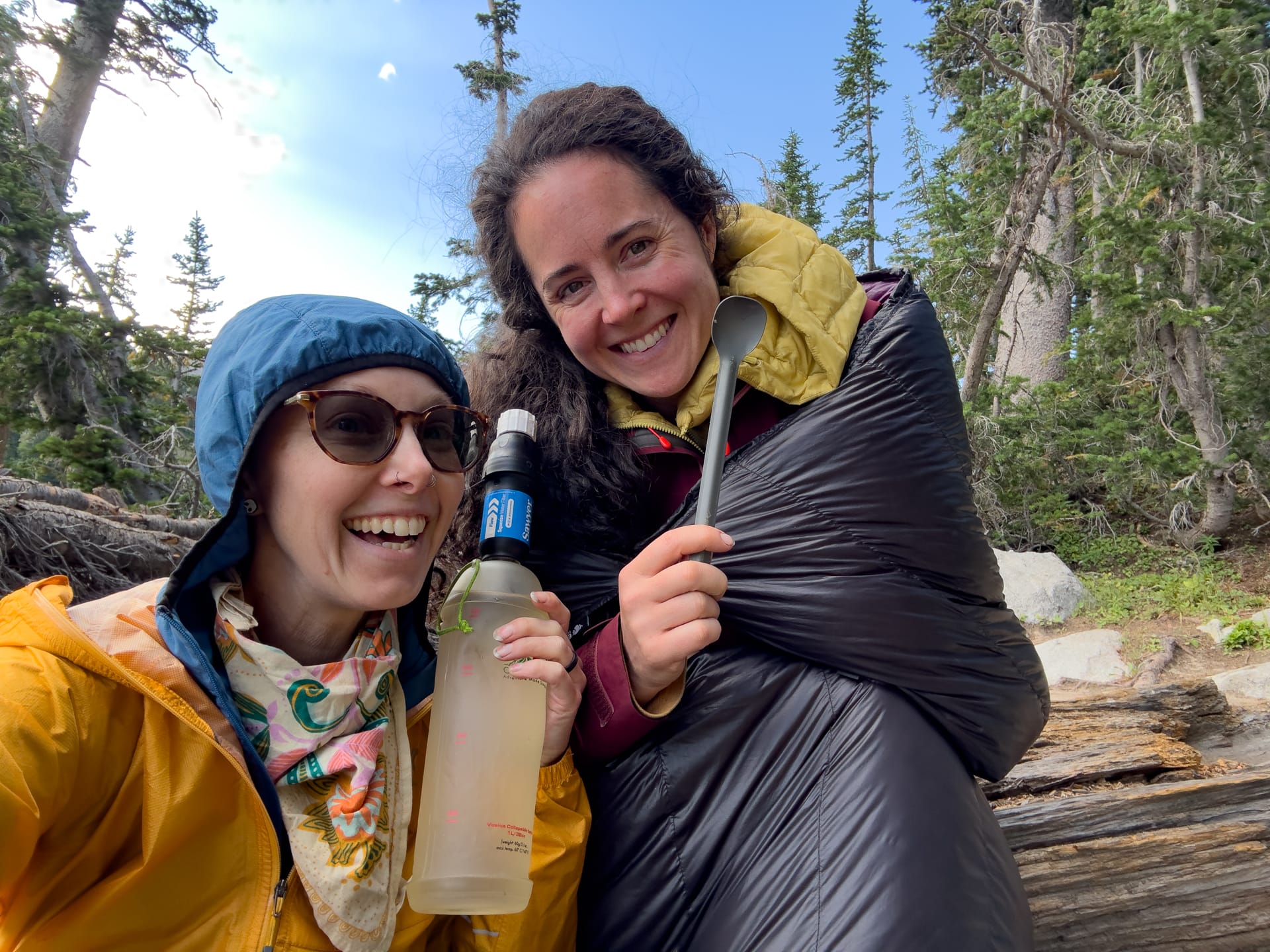
For me, the item I seem to forget most often: my spoon, the only eating utensil I bring backpacking. It’s happened several times: I sit down, eager to start dinner, the hiker hunger kicking in, and I dig around in my food bag just to realize…I have no way to consume my backpacking meal.
Fortunately, backcountry ingenuity kicked in once and I carved a pair of chopsticks out of actual sticks. Another time I was backpacking with a friend who didn’t forget her spoon and she was kind enough to take turns with hers (it turned out to be a trade-off because her water filter was clogged and she had to use mine).
And while there are ways to improvise with some forgotten gear (No water filter? Guess you’ll have to boil all your water. No stove fuel? Guess you’ll be cold-soaking your meals.), that’s not always possible, advisable or enjoyable. So don’t forget the necessities. Here are a few tips for making sure everything–including your spoon–makes it into your pack.

How to Remember All Your Gear
There are several tips and tricks I now utilize to make sure not only my spoon makes it in my pack, but everything else, too.
- Use a checklist: A checklist is an invaluable tool. Fortunately, we have a backpacking checklist you can download for free when you subscribe so you don’t have to make your own. Laminate it or cover it with clear packing tape, get yourself a dry erase marker, and go down the list to make sure you’ve packed everything. Customize it with personal necessities you can’t live without or seasonal requirements like camp booties.
- Store smart: If you’re lucky enough to have plenty of space to store your gear, keep it all together in one place. For example, store the bulk of your backpacking essentials in one closet or corner of your office or garage. That way you don’t have to traipse between multiple different locations to gather trekking poles, tent, sleeping bag, etc.
- Stay organized: Spread across our gear room/closet/shed we have organized boxes, bins and cubbies labeled and filled with essential like headlamps, cook sets and sleeping bags (stored by season). That way, when it’s time to pack, everything is easy to find and hard to forget.
- Create “Go” bins and bags for small essentials: Ultralight gadgets, backcountry bathroom supplies and similar small necessities get stored in dedicated bags or boxes so little things like pad pumps and compressed wipes are always ready to grab and go.
- Keep similar gear together: If you only have one backpacking stove, spork and mess kit, it’s harder to forget things if related gear is stored together. Keep it sorted in a single bag, box or drawer. Tape your spork to the inside of your pot if you have to.
- Lay it out: I’m often tempted to start packing a few things at a time for a couple of days before a trip because my ADHD brain wants to pack items as soon as I think about them. But then I forget what I’ve packed and what I haven’t. So either do all your packing in one go or unpack everything and lay it out the night before you leave to take stock.
- Check your gear: Just because it looks like you have all your gear doesn’t mean you do or that it works. I’ve forgotten tent stakes before because I assumed they were in the tent bag. A friend assumed her water filter worked because it did last time she used it but she discovered it was clogged when she got to camp.
- Update your packing list: After a trip, if there’s something you forgot or wish you had, use your checklist and write it down so you’ll remember next time.

Bottom Line
Everyone benefits from a different storage and packing system. And everyone has different gear needs and storage options. The key is to find one that works for you, customize it, and stick with it. That way, you’re less likely to forget backpacking gear you need to survive (or just stay comfy).
What have you forgotten when backpacking? Have you found a system that ensures that doesn’t happen? Share it in the comments! And wander on.