What Shoes Do You Actually Need for Arches and Canyonlands National Park?
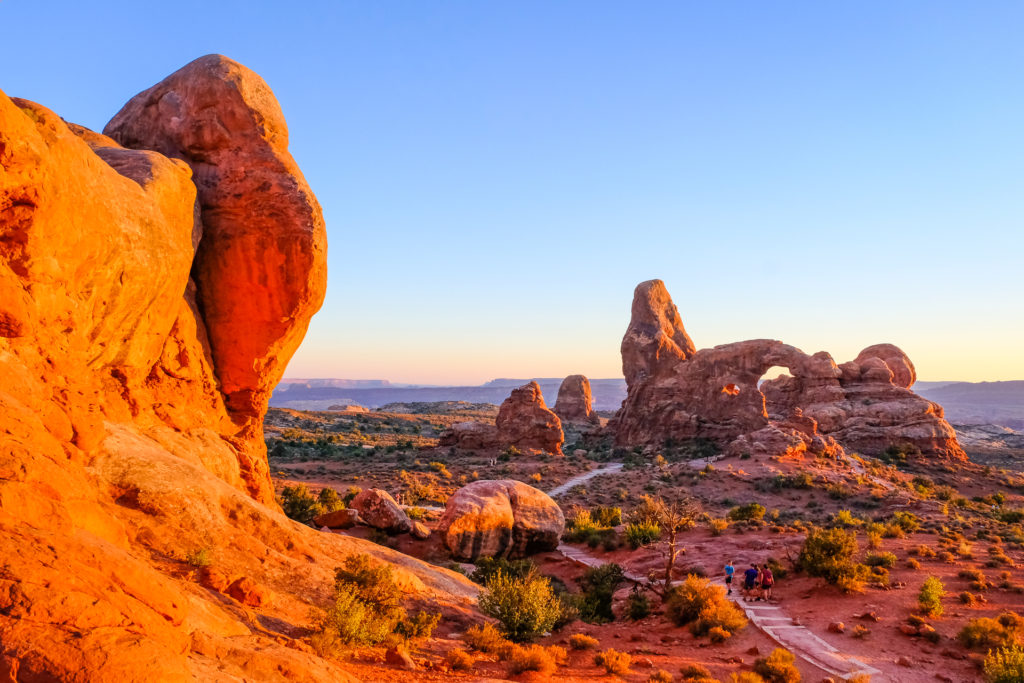
Before we ever moved to Northern Utah, we were smitten with Utah’s national parks. Now that we live just a few hours’ drive from all of them, we’ve made the most of the proximity and visited them several more times, including during a 10-day road trip to enjoy all five and to hike and backpack in just about every season.
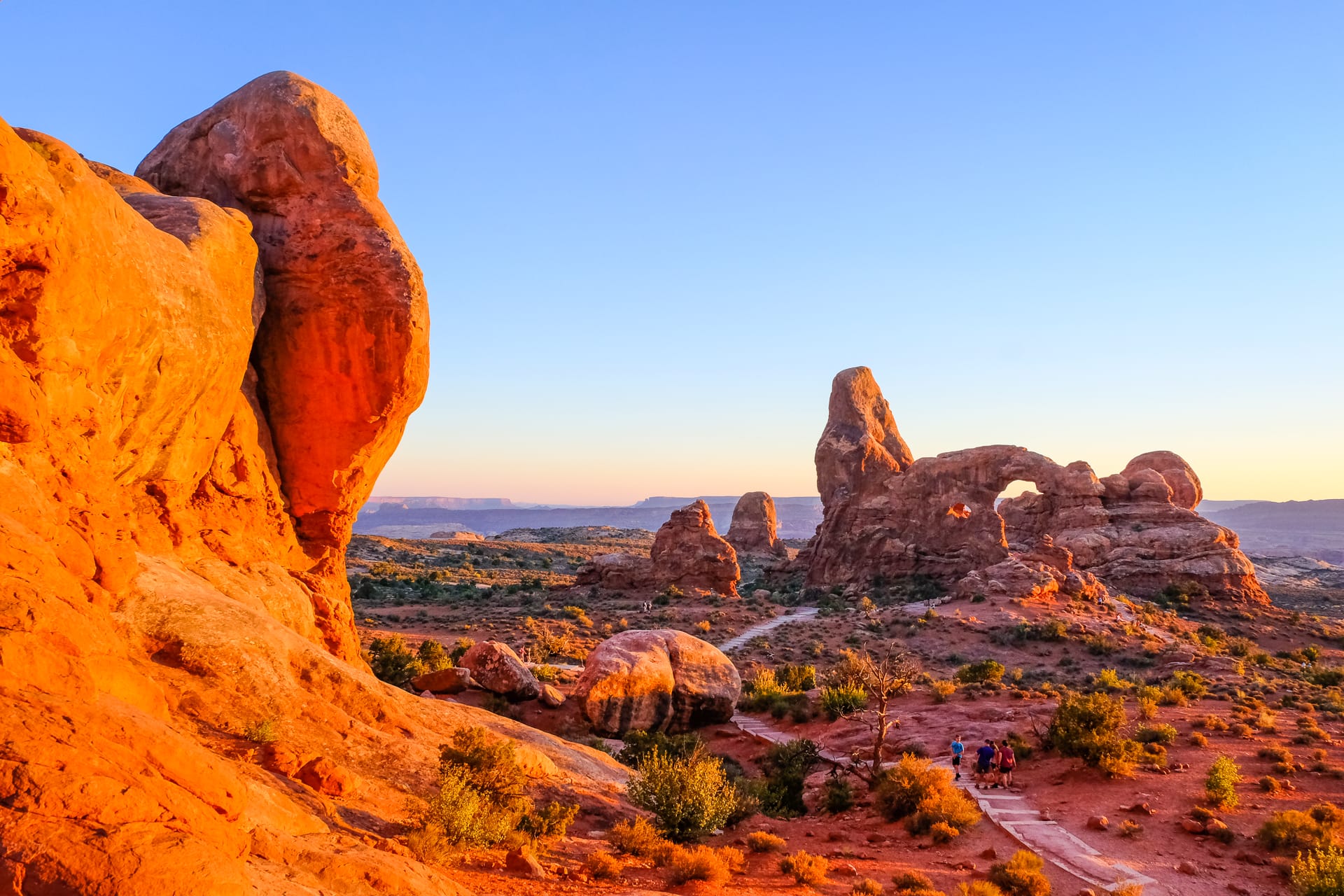
But hiking in Arches and Canyonlands National Parks (which are both near Moab, Utah), isn’t like hiking in Great Smoky Mountains, Acadia or even Guadalupe Mountains. These desert parks are sunny, hot in the summer, cool in the winter, rocky, sandy and often require scrambling. So what are the best shoes for Arches National Park and Canyonlands National Park? We break it down.
Do You Really Need Hiking Boots for Arches and Canyonlands?
When choosing hiking footwear for the Utah deserts, do you really need hiking boots? Short answer: no. Long answer: wear whatever you feel comfortable in, but the lack of moisture and often hot temperatures mean your feet will be sweaty, hot and heavy in overbuilt boots.
So in most cases, we recommend low hiking shoes, trail runners, even hiking sandals for most seasons when hiking in Utah national parks. In fact, we’ve hiked in adventure sandals in all of them!

What Shoes to Wear in Arches and Canyonlands in Summer
First things first: after safety and comfort are addressed, footwear is largely a matter of personal preference. So take these recommendations and tailor them to what your feet need. But overall, less is more when it comes to selecting footwear for Arches and Canyonlands and the best shoes for desert hiking.
Keep this in mind when choosing footwear:
- It will likely be hot. Meaning you won’t be as comfortable in heavy, thick, overbuilt hiking boots.
- It will be dry: Waterproof boots are almost never a necessity. It’s probably not going to rain and there won’t likely be any creek crossings.
- There’s more rock than soil: Unlike hiking in forest or even mountain environments, these desert region trails are largely along hard, sometimes steep rock known as slickrock.
- It can be steep and sandy: Some trails, like Devil’s Garden in Arches, lead you straight up steep, sandy rock faces. Other areas may involve hiking through deep sand.
So choose footwear that offers the following features:
- Breathability: When it’s warm out, breathability is key. Ditch leather footwear or waterproof shoes in lieu of shoes that let your feet breathe.
- Lightweight: It’s hot. Don’t add to the draining power of the sun by trapping your feet in heavy footwear. Choose shoes that let you move fast and light like trail runners or hiking sandals.
- Sticky soles: Despite what the name suggests, “slrickrock” isn’t actually slick. In fact, it tends to be quite rough and sticky. But fine dust can make it feel slippery. Opt for footwear with grippy and sticky soles. (Deep tread isn’t necessary.)
- Well-fitting: Because hikes are often steep, if your shoes are even slightly too big or small, you’ll feel it big time, especially in the toes. Learn how to find boots and shoes that fit in this article.
Our Favorite Shoes for Hiking in Arches and Canyonlands in Summer
When it’s hot and we want to prioritize traction and breathability, these are the shoes we reach for. Remember when it comes to hiking boots vs trail runners or sandals, the less weight and fabric the better for summer desert hikes. The best shoes for desert trails (in our opinion): hiking sandals.

Deliberate Life Designs Enigma
Yes, you can absolutely hike in sandals, especially in Arches and Canyonlands. Our favorite barefoot adventure sandal, the Enigma, is secure, fits perfectly, offers excellent traction and just the right balance of protection and groundfeel. Use code TERRADRIFT10 FOR 10% OFF.
•
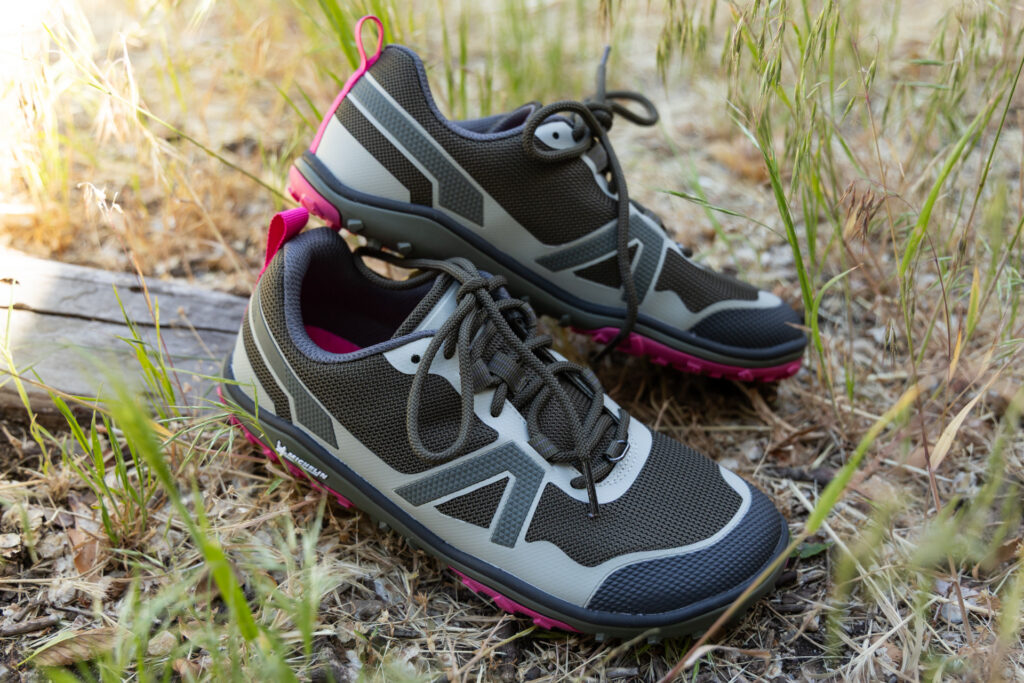
Xero Shoes Scrambler Low EV
Sticky Michelin rubber soles, breathable uppers, flexible soles and plenty of room in the toe box make these shoes an excellent choice for hikers who don’t prefer sandals but still want the balance, flexibility and stability that barefoot shoes offer. BUY A PAIR HERE.
•
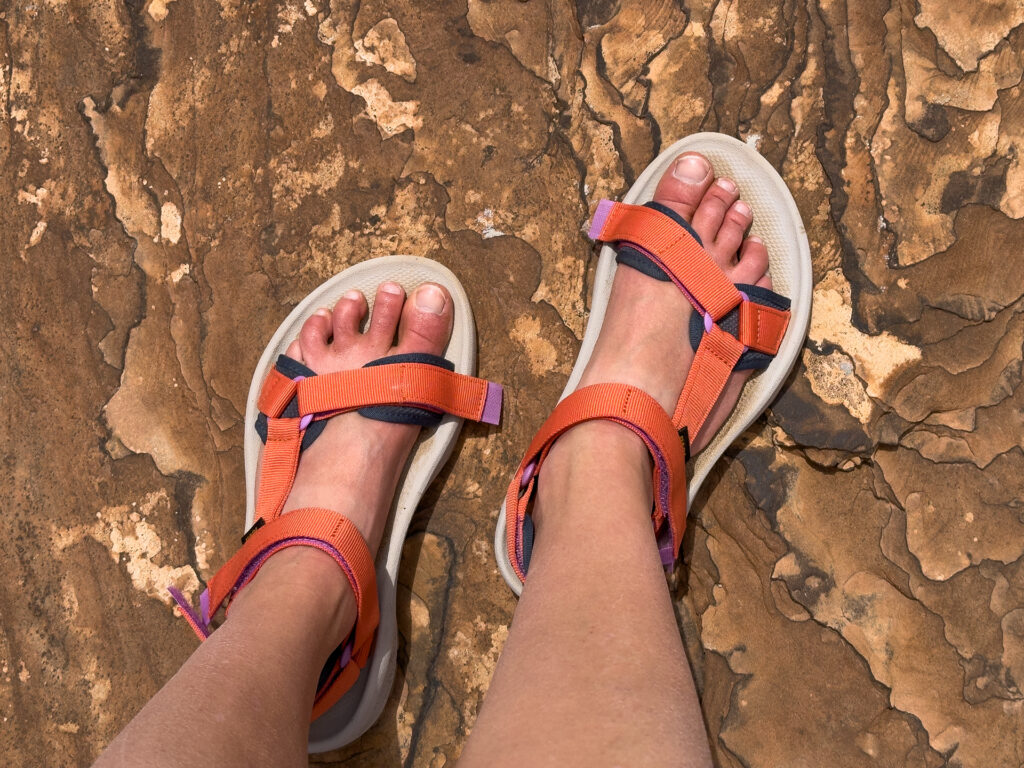
Teva Hydratrek Sandal
If barefoot shoes aren’t your thing, we once tested a pair of Teva Hydratrek sandals when hiking and canyoneering in Arches and around Moab and they were perfectly secure and sticky for every activity. FIND THE HYDRATREK HERE.
What Shoes to Wear in Arches and Canyonlands in Winter
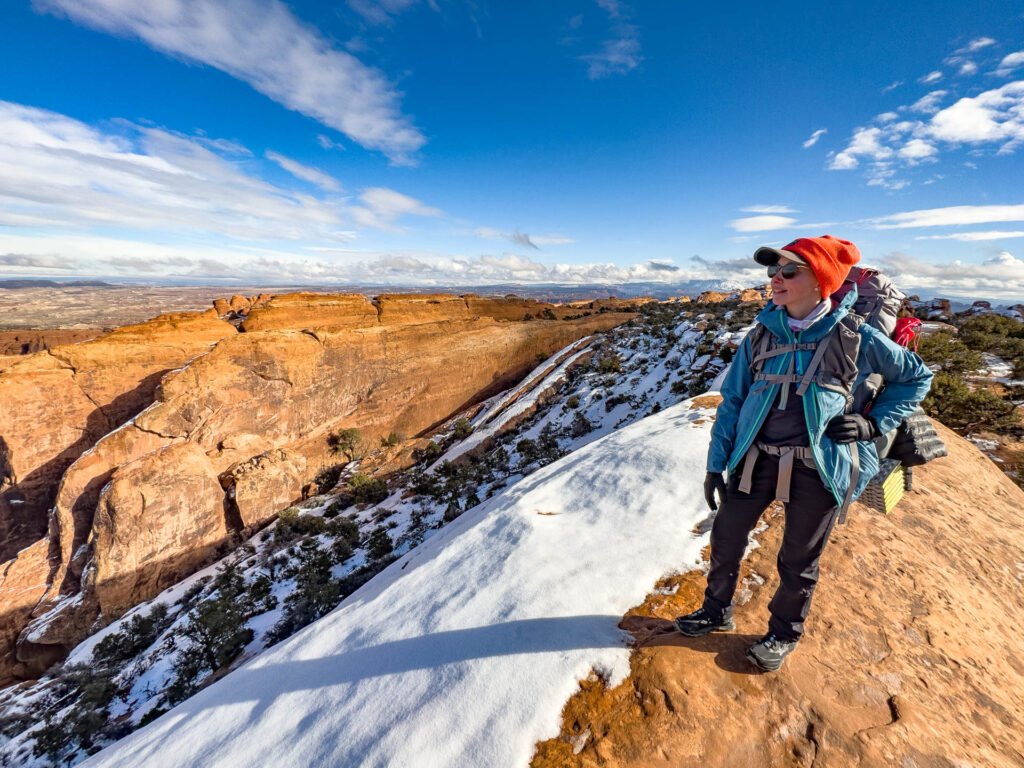
Winter in Arches and Canyonlands can be unpredictable, especially depending on what unit of Canyonlands you’re visiting. Down in the canyons it will be warmer than higher elevations. Arches, too, may have more snow and colder temps than Moab just down the road.
Keep this in mind when choosing footwear:
- There could be snow: It does snow in this part of the country. Check the forecast before you go.
- Temps at night are much colder: Because there’s practically no humidity, it can feel much colder once the sun sets.
- It can be steep and sandy: Some trails, like Devil’s Garden in Arches, lead you straight up steep, sandy rock faces. Other areas may involve hiking through deep sand.
So choose footwear that offers the following features:
- Consider waterproof shoes: If there’s snow in the forecast, waterproof shoes or boots aren’t a terrible idea. If there’s no snow, at least they’ll keep your feet warmer.
- Pack different shoes for day and night: If you’ll be exploring late into the evening, consider bringing two pairs of hiking shoes; one for warmer daytime temps and one for night hikes.
- Sticky soles: Despite what the name suggests, “slrickrock” isn’t actually slick. In fact, it tends to be quite rough and sticky. But fine dust can make it feel slippery. Opt for footwear with grippy and sticky soles, even if there’s no snow or ice.
- Well-fitting: Because hikes are often steep, if your shoes are even slightly too big or small, you’ll feel it big time, especially in the toes. Learn how to find boots and shoes that fit in this article.
- Pack microspikes: If there is snow or ice, you’ll definitely want traction devices like microspikes to make traversing slick and steep sections safer.
Our Favorite Shoes for Hiking Arches and Canyonlands in Winter
When it’s cool to cold and there may be snow or ice, these are the shoes we reach for. We still prioritize barefoot shoes, flexibility and breathability over aggressive support. This helps strengthen feet and ankles and promote balance on uneven surfaces.
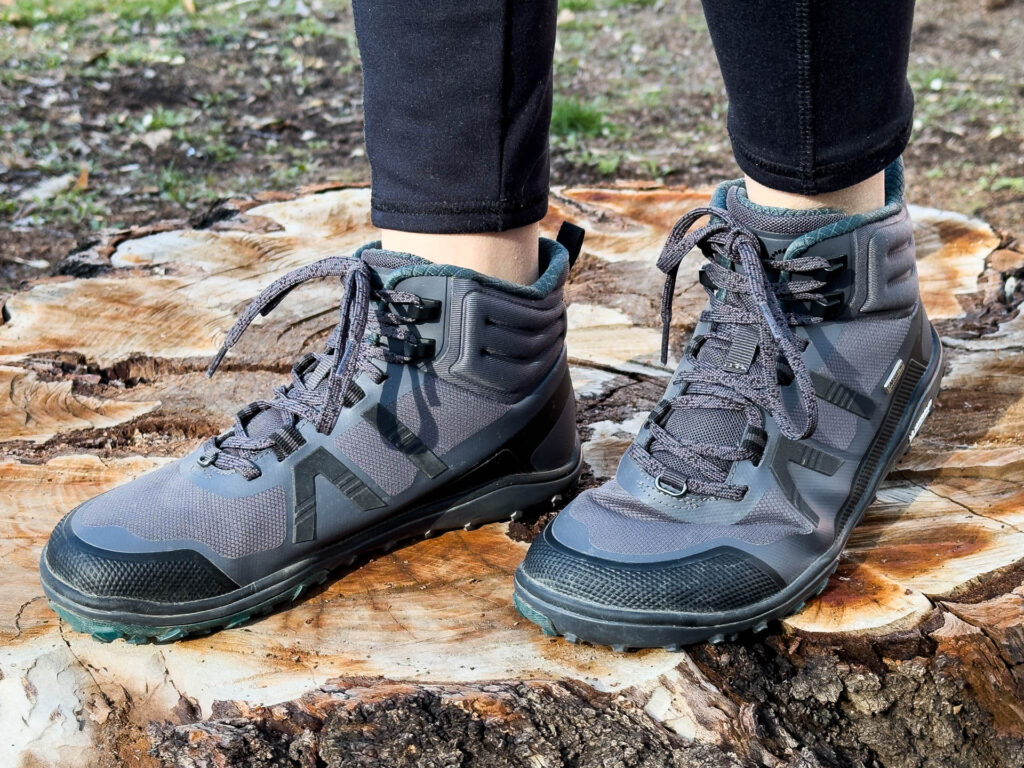
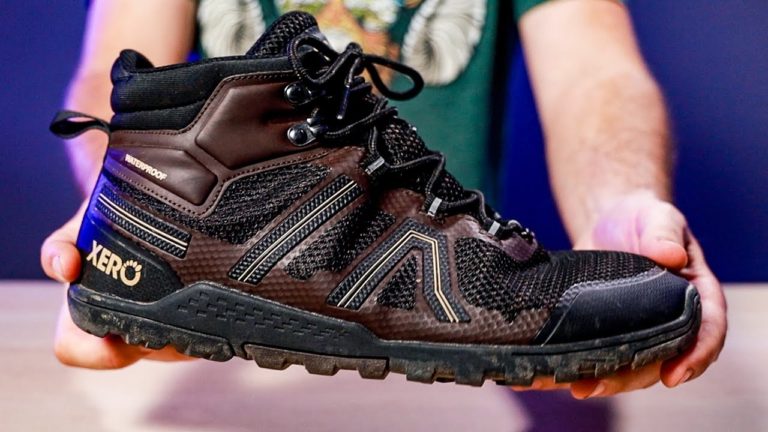
Xero Shoes Scrambler Mid II WP
The waterproof version of this hiking shoe or boot isn’t too stuffy for sunny desert hikes in the winter. Plus, they’re still lightweight, tolerably breathable, easily packable, and the Michelin rubber soles are nice and grippy. Denser rubber also helps protect your soles from small rocks. FIND THE SCRAMBLER MID II WP HERE.
•
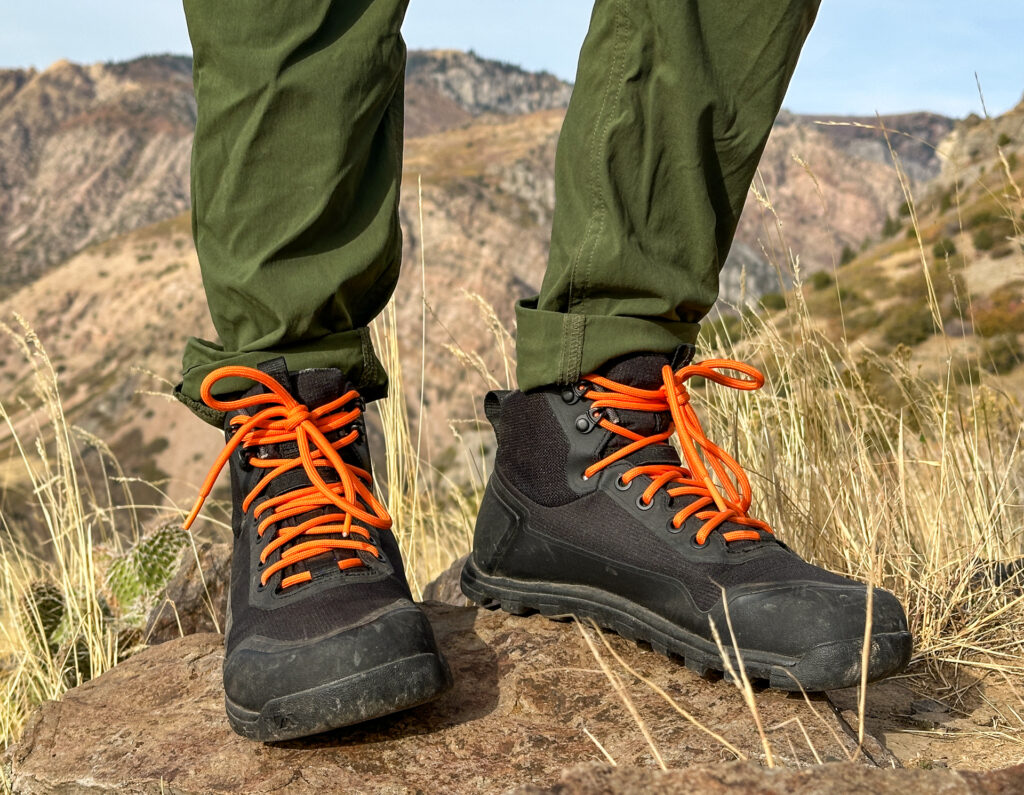
Bahé Rediscover
If you prefer a boot that’s a bit burlier, warmer and more protective, but still offers excellent flexibility and balance, check out the Rediscover from Bahé. It’s a grounding/earthing boot, plus has excellent traction and is waterproof. FIND THE REDISCOVER HERE.
Spring and Fall Hiking
Shoulder seasons are often less crowded and more comfortable temperature-wise. Spring tends to resemble summer temps and warm weather generally extends well into fall. So summer footwear tends to be suitable for these seasons, too.
There’s not a ton of rain in these regions, so waterproof shoes are rarely necessary in these seasons, but check the forecast before you go because you never can tell!
I’ve hiked in Arches and Canyonlands in every season and find sandals generally appropriate from April through October.
Bottom Line: What to Wear Hiking in Utah National Parks
Do you need hiking boots for Arches or Canyonlands National Parks? Well, if that’s what you prefer, go for it, but most of the year, clunky boots are largely unnecessary.
Sneakers (as long as they have sticky soles with good tread), trail runners and hiking sandals are often appropriate for hiking in Arches and Canyonlands. Just check the weather, pack appropriate footwear for the season, keep your own comfort and the terrain in mind, and then hit the trail and wander on.
While you can hike in boots if you prefer, less bulky shoes are perfectly acceptable and likely preferable in warmer months. Just make sure they have sticky soles for steep slickrock.
You can hike Arches National Park in Trail runners. Just make sure the tread is sticky and in good condition.
Any shoes with a sticky sole are a good choice for hiking on slickrock. Trail runners, hiking sandals and lightweight hiking shoes are all good choices.
You can absolutely wear hiking sandals to hike in Canyonlands National Park. It’s often hot, so breathability is key. Just make sure they’re secure on your feet and don’t forget sunscreen.
Waterproof hiking shoes are rarely necessary for Utah deserts unless you’re hiking in the snow. There’s very little moisture to worry about and if hikes do involve water crossings, shoes will dry out fast in warmer months because humidity is so low.